News

Bitcoin
2026-07-14 03:37:00

Analysts see Bitcoin selling pressure easing, but spot demand is still missing

Bitcoin’s multi-month sell-off may be losing steam after the asset fell 28% so far this year, with analysts pointing to three signs that panic selling is fading: firmer price action during a rise in geopolitical risk, a return to net inflows for U.S. spot Bitcoin exchange-traded funds, and a sharp drop in on-chain spot selling pressure. Still, they are not calling for an immediate bull run. Jasper De Maere, an OTC trader at Wintermute, said Bitcoin held above $62,000 even as tensions between the U.S. and Iran escalated and concerns grew over a possible closure of the Strait of Hormuz. He said that suggested weaker holders had largely been flushed out of the market. Fund flows offered another signal. U.S. spot Bitcoin ETFs posted $197.4 million in net inflows last week, ending an eight-week run of outflows. Nexo analyst Dessislava Ianeva added that the last 10 days showed alternating inflows and outflows, but the overall direction had turned slightly positive. On-chain data cited from Glassnode showed daily Bitcoin sold on spot markets fell from an average of 2,000 BTC in June to 53 BTC in July. Even so, FxPro analyst Alex Kuptsikevich said the rebound from Bitcoin’s yearly low of $57,700 had been driven mostly by speculative activity in derivatives rather than strong spot buying, leaving the market vulnerable to more range-bound trading in the months ahead.


40
Analysts see Bitcoin selling pressure easing, but spot demand is still missing
Aspecta
2026-07-14 02:51:17

ASP falls about 98% from peak despite YZi Labs backing and Binance Wallet integration

Aspecta’s token ASP fell to around $0.015 on July 14, down roughly 98% from its all-time high of $0.73 reached on its July 24, 2025 token generation event. The project had strategic backing from YZi Labs and was later integrated into Binance Wallet’s pre-TGE trading model, yet that support did not prevent a prolonged slide. Aspecta positions itself as infrastructure for pricing illiquid assets on-chain through its BuildKey product, which lets users trade tokenized claims before a project’s official token launch. Its website highlights headline return figures, including an average valuation increase of 1,934% and average asset returns of 3,573%, while 77 projects have reportedly used the system for early pricing and settlement. The report points to a highly concentrated token distribution, with the top five addresses holding 81.49% of total supply, and a long unlock schedule still ahead. It also compares ASP with other projects shown on Aspecta’s site, including Sign, GAIB and Solayer, all of which have seen steep declines from their highs. The broader takeaway is that venture backing, platform integration and pre-market paper gains did not translate into durable secondary-market price support.

60
ASP falls about 98% from peak despite YZi Labs backing and Binance Wallet integration
Aspecta
2026-07-14 02:51:17

ASP drops about 98% from its TGE peak as Aspecta’s Binance Wallet tie-up fails to reverse the slide

Aspecta’s token ASP fell to around $0.015 on July 14, down about 98% from its all-time high of $0.73 reached on the July 24, 2025 TGE day. The project had strategic backing from YZi Labs and later integrated with Binance Wallet’s pre-TGE trading model, making it one of the more closely watched pre-market infrastructure names in the Binance orbit over the past year. According to the report, ASP’s ownership remains highly concentrated, with the top five addresses holding 81.49% of total supply, while a large portion of supply is still locked and scheduled to be released monthly. The article also points to examples on Aspecta’s own platform where BuildKey certificates posted huge paper gains before corresponding tokens showed weak liquidity or limited access to mainstream exchanges. The report argues that backing from YZi Labs or cooperation with Binance Wallet did not translate into price support in the secondary market, as a short-lived rally following Binance Wallet’s September 17, 2025 announcement faded within a week.

320
ASP drops about 98% from its TGE peak as Aspecta’s Binance Wallet tie-up fails to reverse the slide
ChainFeeds
2026-07-14 02:33:50

ChainFeeds research roundup spotlights Ethereum, AI valuations, Multicoin’s crypto picks and yield-bearing RWA

ChainFeeds’ July 14 research digest pulled together five major themes shaping current crypto and adjacent markets. One report argued Ethereum’s investment case is shifting as Layer 2 growth, lower mainnet fee capture and weak on-chain yield change how ETH should be valued. Another, citing BlackRock and Morningstar data, said the current AI rally has not matched the late-stage surge of the dot-com bubble, even as some long-term valuation gauges have returned to historically stretched levels. The digest also featured comments from Multicoin Capital managing partner Tushar Jain, who said he believes the crypto market has bottomed and outlined why he favors Solana, Hyperliquid and Zcash in this cycle. On the AI side, IOSG examined why financial institutions are pushing back against public large language models and why private AI demand is rising, with attention on TEE, OHTTP, end-to-end encryption, FHE and agent workflows. The final piece focused on tokenized gold and argued the next phase for on-chain real-world assets is not just bringing assets on-chain, but turning idle holdings into productive positions through structured strategies such as covered calls.

320
ChainFeeds research roundup spotlights Ethereum, AI valuations, Multicoin’s crypto picks and yield-bearing RWA
Taiwan
2026-07-14 01:49:05

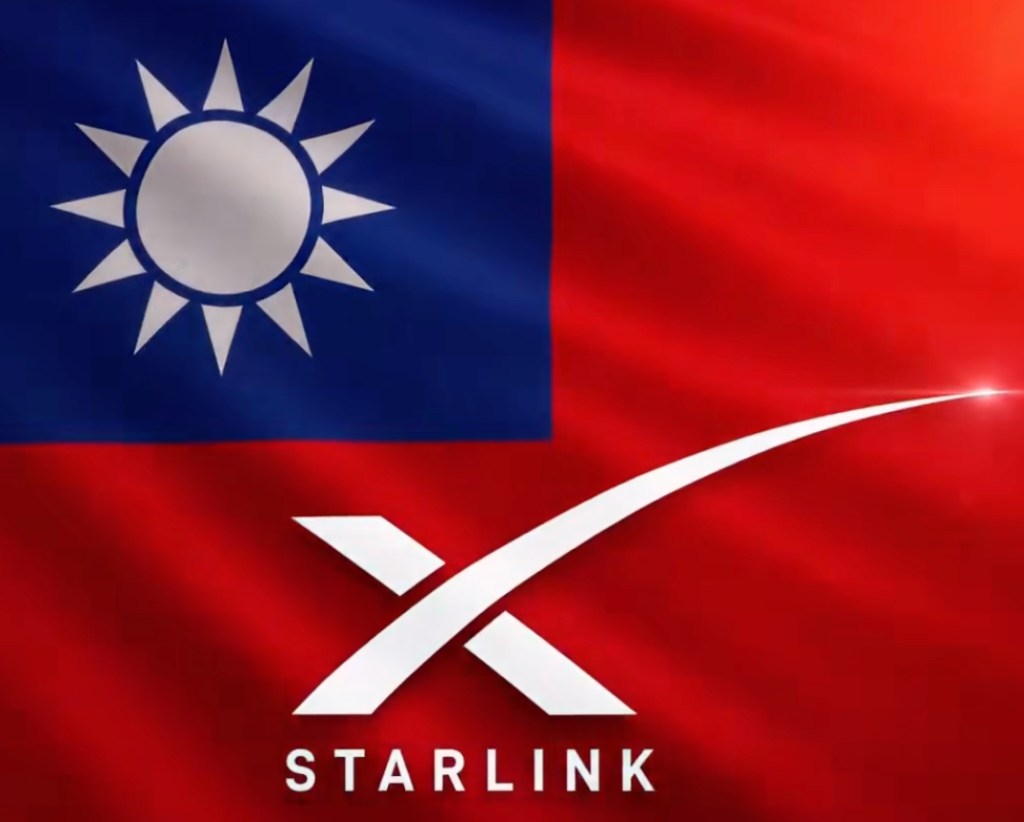
Taiwan advances telecom law changes that could clear a path for Starlink

Taiwan’s Legislative Yuan has moved a proposed amendment to Article 36 of the Telecommunications Management Act through committee review, a step widely seen as opening the door for international satellite communications operators such as SpaceX’s Starlink. The draft would let regulators approve satellite network applicants on a case-by-case basis without applying current rules that require a Republic of China national as the responsible person and cap direct foreign ownership at 49% and combined ownership at 60%. The proposal still requires strict review covering national security, public telecom network security, telecom resource usage, overall network planning, industry and service market development, and public interest needs. Taiwan’s three major telecom operators — Chunghwa Telecom, Taiwan Mobile and Far EasTone — said they respect and support the direction of the amendment, while stressing the need for safeguards around national security, data sovereignty and local oversight. The Taiwan Communications Society urged policymakers to study Japan’s approach, where KDDI, NTT DOCOMO and SoftBank have worked with Starlink on direct-to-cell satellite services under conditional and phased supervision. The policy debate has also spilled into the local supply chain: D-Link recently confirmed an order tied to Starlink’s low-earth-orbit network infrastructure, with shipments expected to begin in September.

40
Taiwan advances telecom law changes that could clear a path for Starlink
Changpeng Zha
2026-07-14 01:38:51

CZ says he burned part of unsolicited memecoin airdrops and urged users to send unwanted tokens to a burn address

Binance founder Changpeng Zhao, better known as CZ, said he found more than 10,000 airdropped memecoins in his personal wallet and has already burned some of the more popular tokens. He also advised users to send unwanted tokens directly to a burn address. Techub, citing Cointelegraph, said the comment comes as several well-known figures in the crypto sector have recently been receiving frequent memecoin airdrops. Zhao’s move and his suggestion offer one possible way to handle unsolicited or low-value token distributions that appear in personal wallets. The report did not disclose which tokens were burned or provide further on-chain details.

40
CZ says he burned part of unsolicited memecoin airdrops and urged users to send unwanted tokens to a burn address
Commercial Sp
2026-07-14 01:32:50

Why China’s commercial space stocks fell after the Long March 10B recovery milestone

China’s commercial space sector saw a sharp market reversal after a headline technical breakthrough. On July 10, Long March 10B completed its maiden flight from the Hainan commercial launch site and achieved what the source described as China’s first controlled recovery of a heavy-lift rocket first stage and the world’s first net-based recovery. The news sparked a trading frenzy, with more than 30 stocks hitting their daily upper limit and major names such as China Spacesat and China Satcom surging. By July 13, however, the sector had turned lower across the board, with several names dropping sharply as funds rotated back into previously popular AI plays. The source argues that the gap between industrial progress and secondary-market pricing comes down largely to market structure. Citing Securities Times, it says mutual funds and social security funds remain underweight or absent from many commercial space names, leaving the sector without a stable long-term shareholder base. In that setup, quantitative funds, which the article says account for 20% to 30% of A-share turnover, can exert outsized influence. The piece also contrasts the short-term volatility of listed stocks with continued primary-market interest, including 89 disclosed financing events worth 15.13 billion yuan in the first half of 2026, and lays out a series of second-half tests, from reusable rocket trials and IPO progress to earnings reports across the supply chain.

540
Why China’s commercial space stocks fell after the Long March 10B recovery milestone
Commercial Sp
2026-07-14 01:32:50

Commercial space stocks tumble after Long March 10B recovery success, with quant trading back in the spotlight

China’s commercial space sector saw a sharp reversal after what had looked like a major industry catalyst. On July 10, Long March 10B completed its maiden flight and achieved what the article described as the world’s first rocket net-based recovery, sending more than 30 related stocks to limit-up and pushing heavyweight names such as China Spacesat and China Satcom sharply higher. But by July 13, the sector had turned lower across the board, with several names posting steep losses as money rotated back into previously popular AI plays. The source article argues that the disconnect was not primarily about the news itself, but about market structure. Citing Securities Times, it says public funds and social security capital remain underweight or absent in much of the commercial space segment, leaving prices more exposed to short-term trading. In that setup, quant strategies that thrive on volatility can exert outsized influence. The article contrasts that with sustained primary-market interest, including 89 disclosed domestic financing events worth RMB 15.13 billion in the first half of 2026, according to Taibo Think Tank. It also reviews three waves of sector trading over the past two years, moving from concept speculation to policy support and then technical validation. Looking ahead, the article points to upcoming recovery tests, reuse attempts, IPO progress and interim earnings as the next checkpoints for how China’s commercial space valuation framework will be tested in public markets.

40
Commercial space stocks tumble after Long March 10B recovery success, with quant trading back in the spotlight