DIFC

Standard Char
2026-09-03 13:33:39

Standard Chartered launches spot BTC and ETH trading in the UAE, a first for a G-SIB

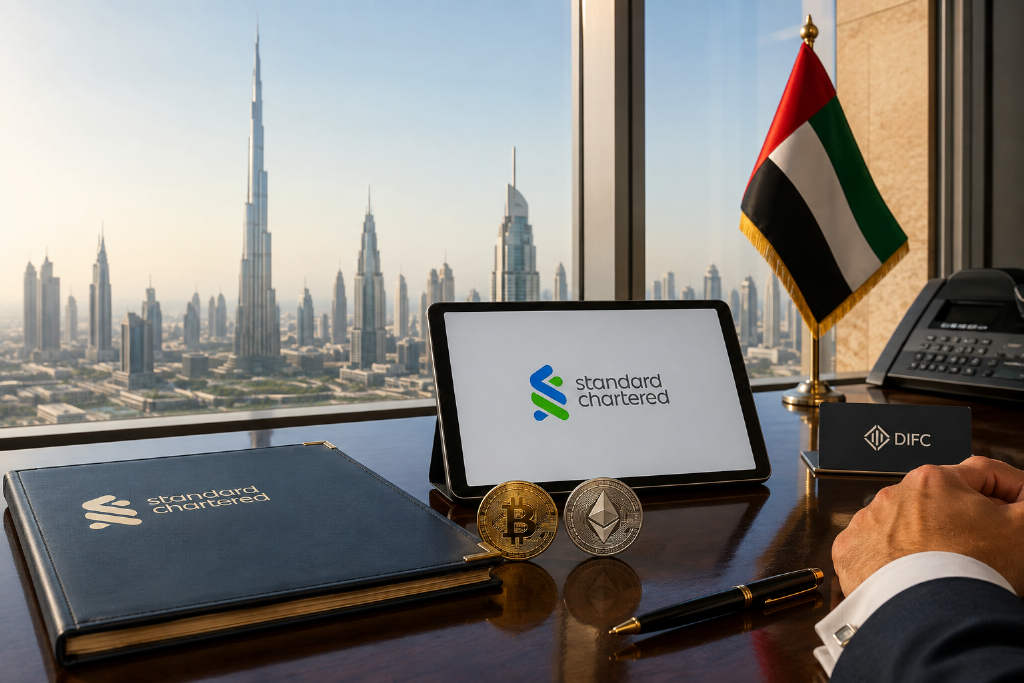
Standard Chartered said on Thursday that it has launched spot trading for Bitcoin and Ether for institutional clients in the United Arab Emirates, becoming the first global systemically important bank, or G-SIB, to offer such a service. The rollout is being handled through the bank’s regulated entity in the Dubai International Financial Centre, allowing eligible clients to access BTC and ETH spot trading through Standard Chartered’s existing electronic trading channels and platforms rather than opening accounts with third-party crypto venues. The move extends a broader buildout the bank has been making in the UAE. According to the report, Standard Chartered launched digital asset custody there in September 2024, signed a banking agreement with crypto exchange CoinMENA in June 2026 to support fiat on- and off-ramps, client money accounts and virtual account trading management, and has now added spot trading in September 2026. The report also places the launch within a wider UAE push to attract crypto businesses, noting recent approvals involving Capital.com and Revolut. Because Standard Chartered is designated as a G-SIB, the launch carries added weight for the market and for other large banks watching institutional demand for digital assets.
20
Standard Chartered launches spot BTC and ETH trading in the UAE, a first for a G-SIB
Web3 Security
2026-07-27 10:02:00

Nearly 90% of stolen crypto funds were unrecoverable in H1 2026 as Web3 attacks shifted from code to people

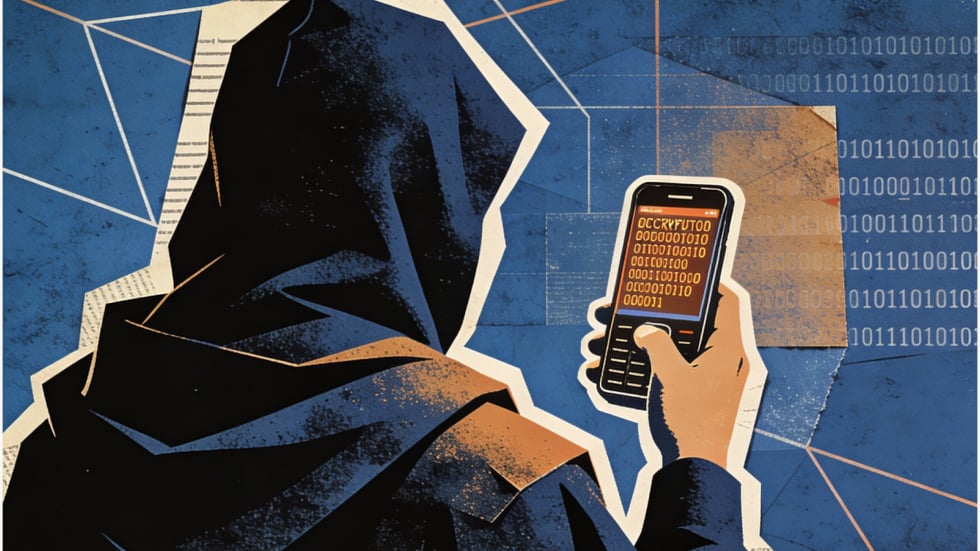
Web3 recorded 182 publicly disclosed security incidents in the first half of 2026, with total losses reaching about $956 million, according to reports released by OKX Web3’s security team, SlowMist and OtterSec. The headline loss figure was down nearly 60% from a year earlier, but the decline mostly reflected the absence of a repeat of Bybit’s roughly $1.5 billion 2025 outlier. Incident count actually rose to 182 from 121, up about 50% year over year. The reports point to a structural shift in how attacks are carried out. The largest losses increasingly came from outside audited smart contracts and instead hit signing flows, cloud keys, validation paths, developer devices and users themselves. Examples cited in the reports include the roughly $285 million Drift Protocol attack, a months-long social engineering campaign centered on pre-signed transactions, and a Singapore case in which AI-generated officials appeared in a fake video conference, leading to losses of about S$4.9 million. Recovery remains rare. SlowMist said only 18 incidents in H1 resulted in stolen funds being recovered or frozen, totaling about $118 million, or 12.3% of overall losses. The rest, nearly 90%, was effectively gone. The reports also describe supply-chain poisoning, AI-assisted phishing, malicious browser extensions, recruiter scams and increasingly industrialized laundering routes involving privacy tools, cross-chain channels and OTC off-ramps.

1260
Nearly 90% of stolen crypto funds were unrecoverable in H1 2026 as Web3 attacks shifted from code to people