Remote Mexico mining bust exposes power theft risks beyond on-chain transparency
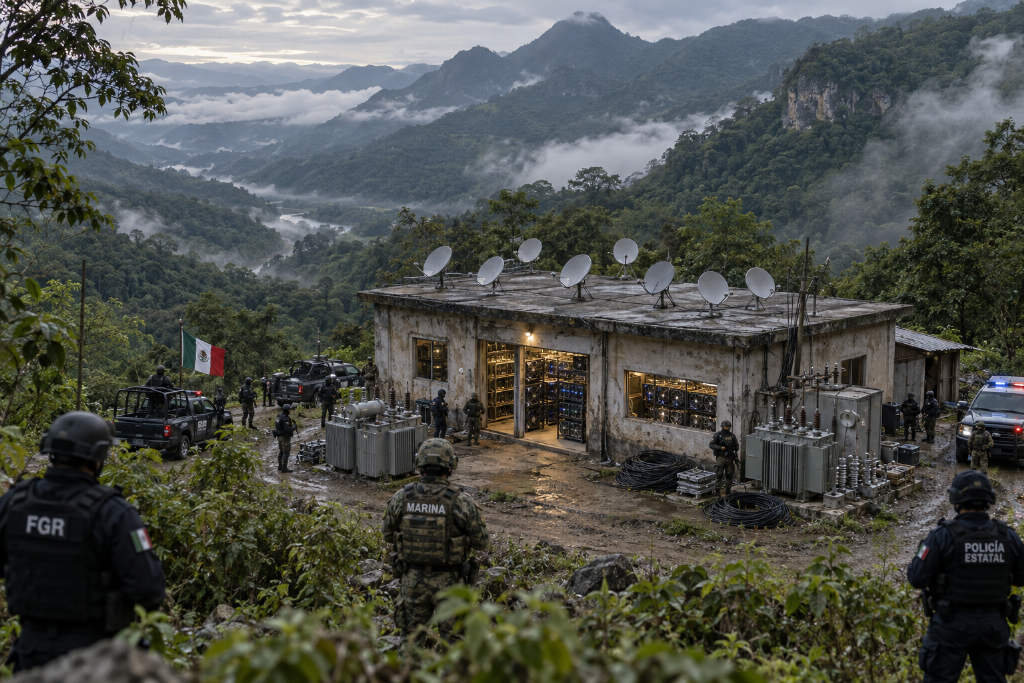
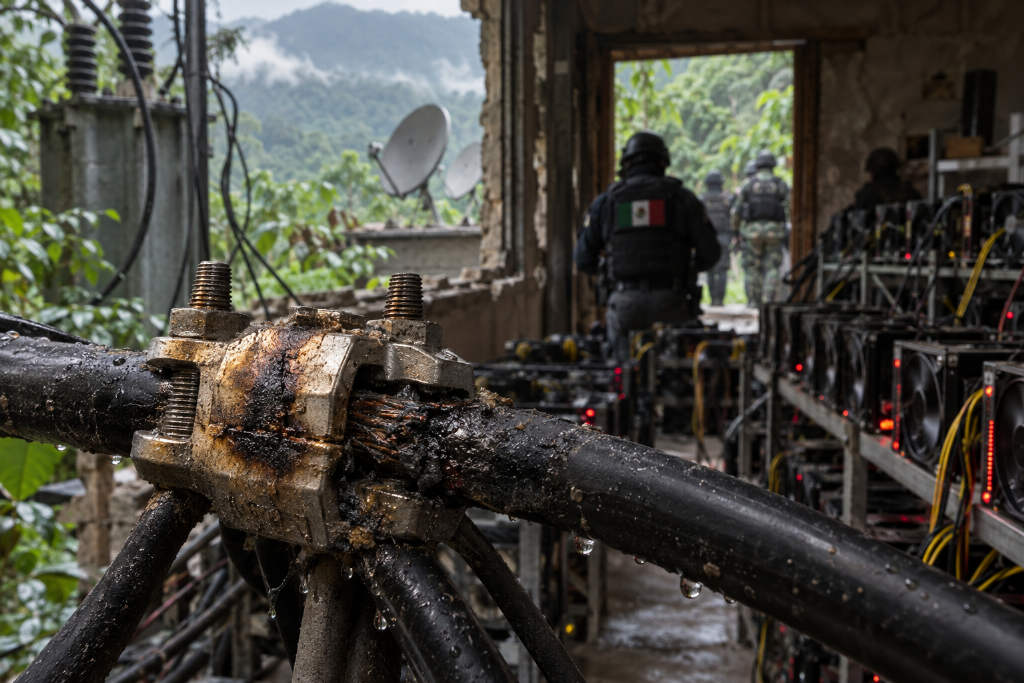
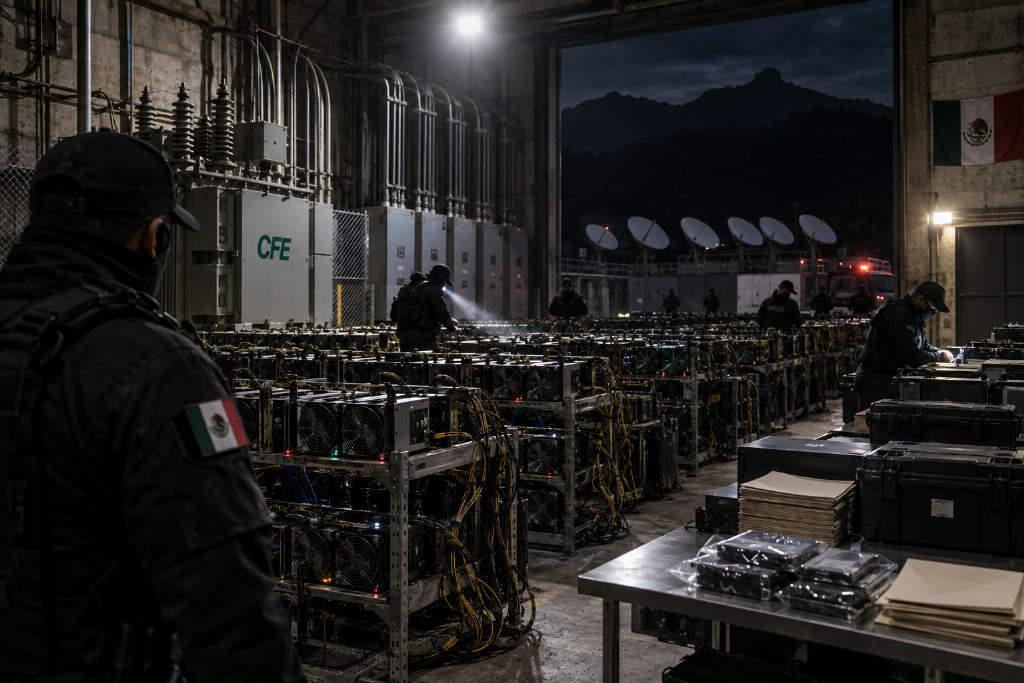
Mexican authorities uncovered a suspected illegal cryptocurrency mining operation in the Sierra region of Puebla in early September 2026, seizing a site that housed about 300 machines, transformers, 80 medium-voltage connection points, and eight satellite dishes. Prosecutors are treating the case as a theft of state energy rather than a standalone crypto-mining offense, because mining itself is not specifically criminalized in Mexico. Investigators say the site was likely positioned near the Nuevo Necaxa hydroelectric system to exploit access to electricity, and an unauthorized transformer installation helped lead police to the property. The case has also widened into a financial inquiry, with forensic accountants tracing how the expensive equipment was purchased and whether money laundering was involved. The broader backdrop is a fragmented regulatory environment: crypto ownership, trading, and mining are generally allowed in Mexico, even though cryptocurrencies are not legal tender. The article argues that while blockchain ledgers make token transfers visible, they do not capture the physical energy chain that powers mining. That gap leaves room for organized illicit operations, with the costs of stolen electricity ultimately absorbed by utilities, power grids, and paying consumers.