Ethereum2026-09-12 07:00:00EIP-8141 revives the debate over ETH’s role, but Ethereum is not switching gas payments to stablecoinsVitalik Buterin’s mention of progress on EIP-8141, also known as Frame Transactions, has reignited a familiar argument in the Ethereum market: if users can pay transaction costs without holding ETH, does ETH lose its value proposition? The article argues that this framing misses a key distinction. What users see and settle with at the wallet level is not the same as what the Ethereum protocol accepts as the underlying gas asset. Under the design described in the proposal, transaction signing, execution, and gas payment can be separated. A user might sign a transfer of 100 USDC, while a Paymaster or sponsor account supplies the ETH needed to pay network gas and later settles the cost with the user in USDC or another ERC-20 token. In that setup, Ethereum is still being paid in ETH at the protocol layer. The piece also places EIP-8141 in the broader push to hide gas complexity from end users, much like ERC-4337 introduced sponsored gas flows through smart accounts. Its potential impact on ETH, the author says, depends less on whether users directly hold ETH and more on whether smoother wallet experiences translate into materially higher real usage of Ethereum.1020
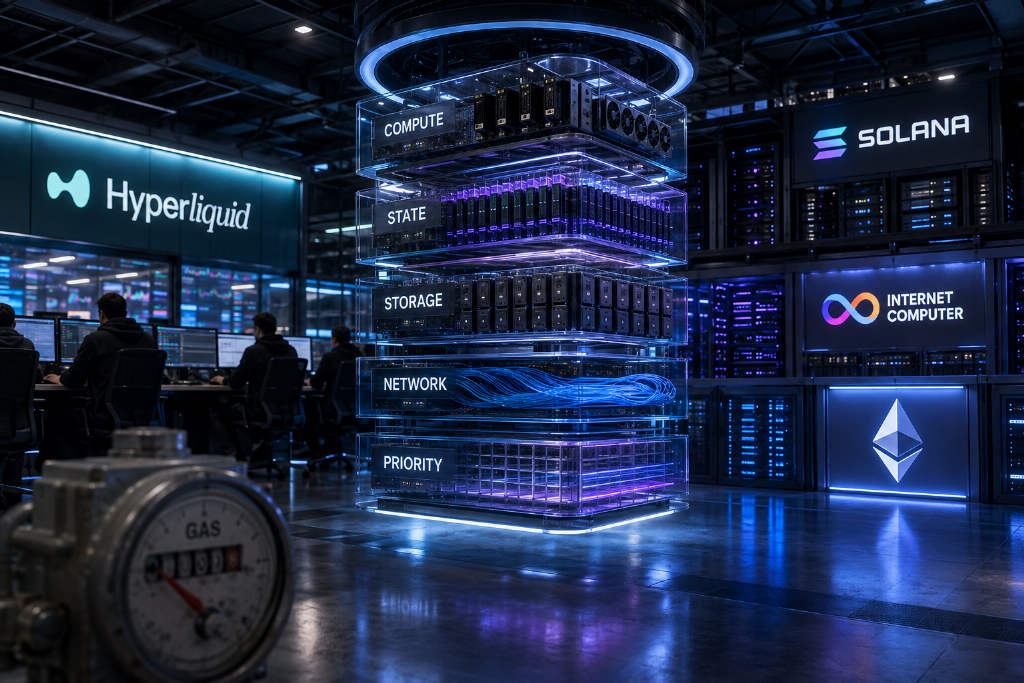
Gas2026-09-07 00:35:08Gas loses ground as blockchains move from VM debates to resource markets and a chain-cloud modelA Foresight market analysis argues that gas is not disappearing, but its role as the single abstraction for blockchain resources is weakening. The article points to four separate tracks that all lead in the same direction: Hyperliquid hides infrastructure costs inside trading fees, Solana is trying to price transaction inclusion separately from actual resource use, Internet Computer prices compute, storage, bandwidth and messaging through cycles tied to XDR, and Ethereum itself is revisiting gas accounting through the Platåberget testnet and proposed changes tied to the Glamsterdam upgrade. In that view, gas is shifting from a core user-facing abstraction to a lower-level settlement layer for resource markets. The piece also argues that the bigger issue may not be gas alone, but the way virtual machines bundle execution, state, resource usage and proving into one model. It contrasts EVM with FuelVM, Sealevel, Move, RISC-V and zkVM, then traces how older chains such as EOS, TRON and Hive had already explored multi-resource accounting. Its broader conclusion is that blockchain design is moving toward explicit resource accounting, pricing, allocation and markets, with the end state looking less like a single chain and more like a protocol-managed, market-priced, cryptographically verified cloud of global compute resources.1000
HyperEVM2026-08-23 15:29:47HyperEVM average Gwei climbed from about 0.15 to 60 in two daysHyperEVM’s average Gwei has risen sharply over a short period, according to monitoring data cited by ChainCatcher. HyperliquidNews said the average Gwei on HyperEVM increased from about 0.15 Gwei to 3 Gwei on Aug. 22, then moved higher again to 60 Gwei today. Based on the figures provided in the update, that marks a roughly 400-fold increase from the earlier level. The report did not provide additional context on the driver behind the move.1050
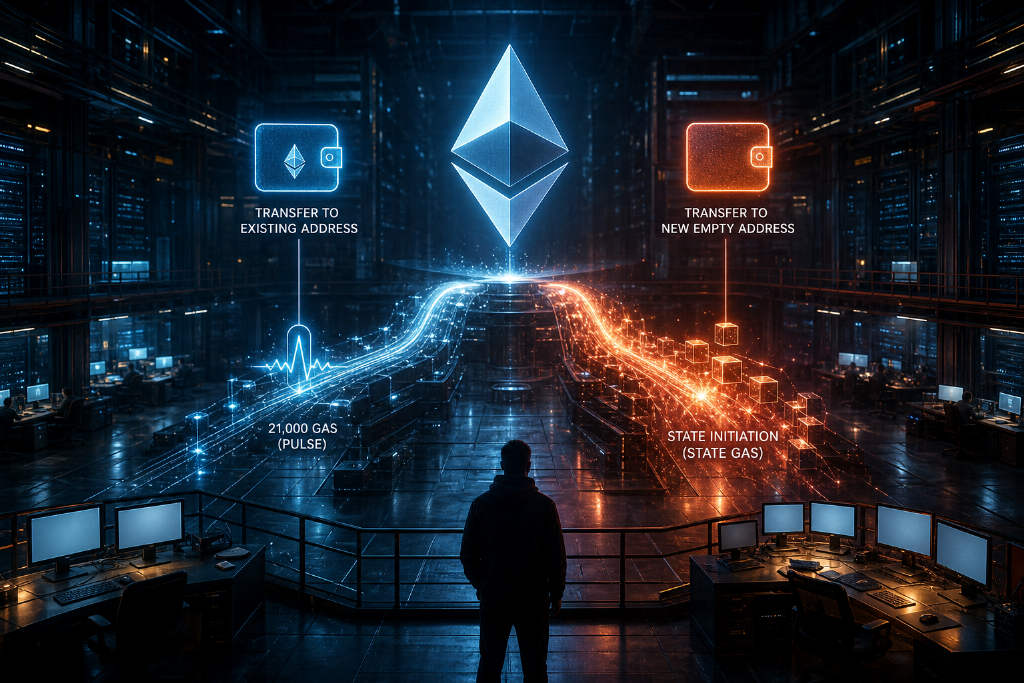
Ethereum2026-08-18 12:17:05Ethereum’s Glamsterdam upgrade will end the fixed 21,000-gas rule for basic ETH transfersEthereum’s next major upgrade, Glamsterdam, will change one of the network’s oldest assumptions: a basic ETH transfer will no longer always cost 21,000 gas. Under the proposal, transfers to existing accounts will still use 21,000 gas, but sending ETH to an address that has never appeared on Ethereum before will add 183,600 units of a new category called state gas. The change means wallet software, blockchain tracking services and fee calculators that treat 21,000 as both the minimum and maximum gas cost for an ETH transfer may return incorrect fee estimates or reject transactions that should be valid. Developers from the Ethereum Foundation said service providers should update their systems before Glamsterdam reaches mainnet. The upgrade is scheduled to activate on Thursday on Platåberget, a practice Ethereum network that uses worthless tokens for testing, before moving to Sepolia and Hoodi and later to mainnet. The warning is directed at infrastructure providers rather than ordinary users, and CoinDesk reported that no action is required this week for people simply sending ETH.1020
Vance2026-08-08 14:13:16Vance: Some Progress in Iran Talks, Focus on Hormuz Oil and Gas OutputVance said on Aug. 8 that some progress has been made in Iran talks over the past few days. The talks center on maximizing oil and gas output in the Strait of Hormuz and seeking an Iranian pledge not to fire on ships. BlockBeats reported.1970
GAS2026-07-23 20:00:16GAS Tightens Below Daily Resistance as Volume Spike Keeps Price Near $1.89GAS is consolidating beneath a descending daily trend line, with price holding near $1.89 and expansion-phase volume reaching about $46.57 million. Traders are watching for a confirmed breakout.440
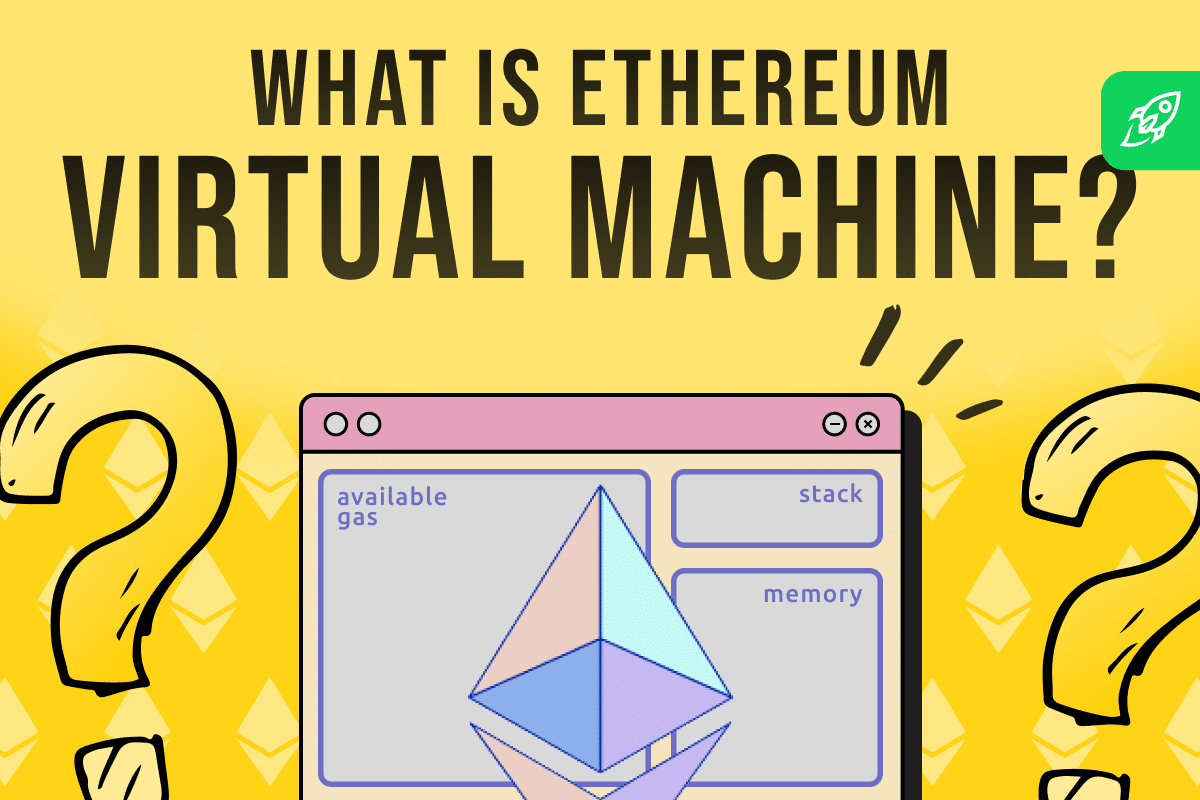
Ethereum2026-07-23 16:25:16What the EVM Does and Why It Sits at the Core of EthereumThe Ethereum Virtual Machine is the execution environment behind Ethereum smart contracts, transaction processing, gas accounting, and state updates across the network.1790
Ethereum2026-07-23 12:45:14Ethereum Gas Explained: Fees, Gas Limits, and gwei PricingEthereum gas is the fee system behind transactions and smart contract execution. This article breaks down what gas does, how gas limits work, how gwei pricing is quoted, why fees rise, and what users can do to lower costs.1800