IBM

Bitcoin
2026-07-22 08:27:09

BTC Faces Weekly 200 EMA Resistance as Semiconductor and Memory Names Pull Back in Late Trading

Bitcoin held near $66,000 after briefly rising above $66,900, but traders continued to focus on a heavy resistance zone between $67,000 and $68,000, including the weekly 200 EMA near $68,328. Analysts cited by the source said the area also lines up with the average cost basis of investors over the past five months and the failed rebound point seen in mid-June, making it a likely zone for sharp price reactions. If BTC clears $68,000, bulls may gain room to extend the move. If not, the market could retest support near $63,000. The report also pointed to softer participation across the crypto market. Vetle Lunde, head of research at K33 Research, said CME Bitcoin futures open interest has dropped to its lowest level since 2023, while spot trading activity remains weak, describing the move more as a low-liquidity summer rebound than the start of a broad bull run. On flows, U.S. spot Bitcoin ETFs posted a net inflow of $203 million for a sixth straight day, while spot Ethereum ETFs added $37.471 million for a third consecutive day. Outside crypto, U.S. equity index futures moved lower and names that surged the previous session in semiconductors and memory fell back in late trading. The broader report also tracked moves in AI infrastructure, energy markets, Treasury yields, crypto-related U.S. stocks, and Asian markets including South Korea and Japan.


950
BTC Faces Weekly 200 EMA Resistance as Semiconductor and Memory Names Pull Back in Late Trading
US stocks
2026-07-22 03:49:00

U.S. stocks snap three-day slide as memory-chip rally lifts semis, while oil and tariffs keep inflation fears alive

U.S. equities rebounded Tuesday, ending a three-session losing streak, with the Dow Jones Industrial Average up 0.74%, the S&P 500 up 0.89%, and the Nasdaq Composite gaining 1.29%. The move was led by technology shares, especially semiconductors and AI hardware names, after some of the market’s hardest-hit momentum stocks bounced sharply. Still, the broader tone stayed cautious. BTIG strategist Jonathan Krinsky said the advance looked less convincing beneath the surface because market breadth remained weak and trading volume was light. Goldman Sachs noted that high-volatility tech stocks had fallen as much as 33% in a short period, leaving the group deeply oversold and vulnerable to short covering. Goldman and UBS said the momentum selloff may be nearing its end, while BTIG argued the rebound was approaching resistance. At the same time, rising geopolitical tension between the U.S. and Iran pushed Brent crude back above $91 a barrel and WTI above $85, reviving inflation concerns and sending Treasury yields higher. In equities, memory-chip names led the surge: Micron rose 12.17%, SanDisk 14.27%, SK Hynix 13.75%, Western Digital 12.51%, and Seagate 11.14%. Investors also tracked tariff signals from Washington, upcoming earnings from Tesla and Google, and a major share lockup event approaching for SpaceX.

960
U.S. stocks snap three-day slide as memory-chip rally lifts semis, while oil and tariffs keep inflation fears alive
Bitget
2026-07-22 02:28:36

Bitget UEX daily: U.S. stocks rebound sharply as memory names lead, while Bitcoin nears the $68,000 test

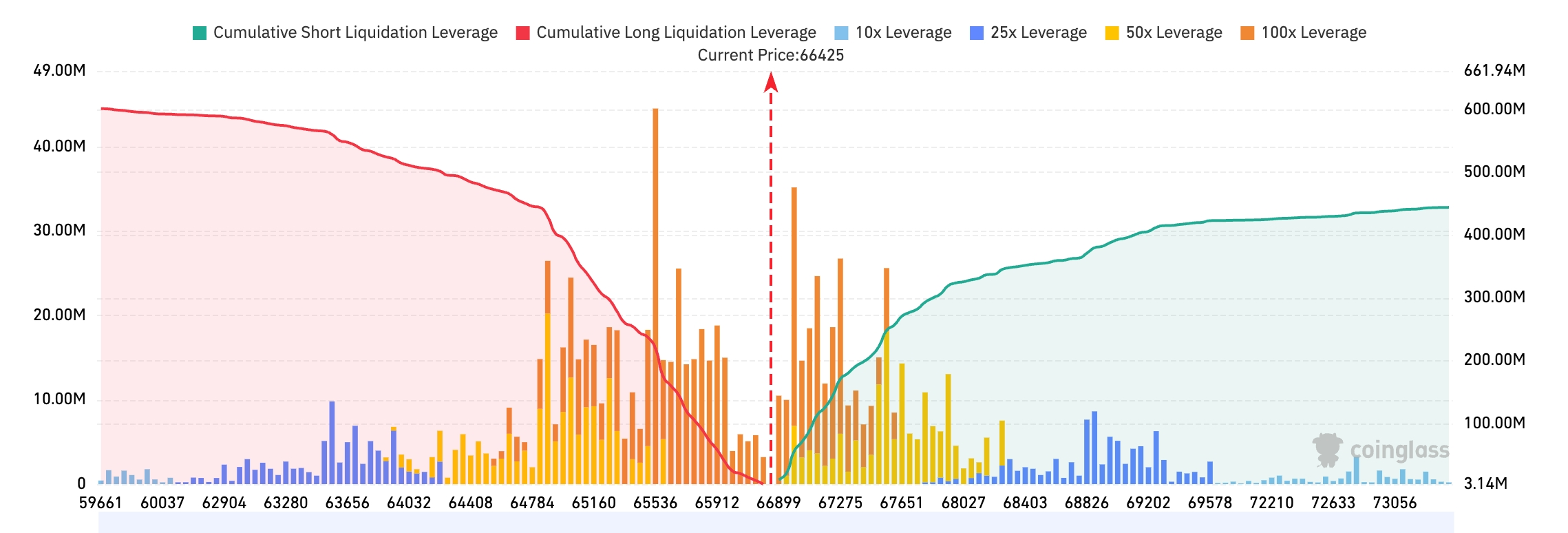
Bitget UEX’s July 22 market note said U.S. equities staged a sharp rebound after a multi-session pullback, led by memory and semiconductor shares, while gold, silver and crude oil all moved higher at the same time. In crypto, Bitcoin traded around $66,666 and Ether near $1,940, with spot Bitcoin ETFs posting a sixth straight day of net inflows. The report highlighted a dense long-liquidation zone at $65,500 to $66,000 and a sizable short-liquidity pocket between $67,500 and $69,000, leaving traders focused on whether BTC can break above $67,000 and push through the broader $68,000 resistance area. The note also pointed to a packed earnings schedule for July 22, with Alphabet, IBM and Tesla set to report after the bell, making corporate guidance a key near-term signal for AI spending, cloud growth, Robotaxi progress and overall risk appetite. Beyond equities and crypto, the report tracked fresh developments across ETFs, listed Bitcoin treasury companies, Circle’s earnings date, Korean market regulation and Morgan Stanley’s latest Bitcoin accumulation.

970
Bitget UEX daily: U.S. stocks rebound sharply as memory names lead, while Bitcoin nears the $68,000 test
WuBlockchain
2026-07-21 12:28:07

WhiteLine says AI spending is now constrained more by credit than free cash flow

WhiteLine Daily argues that the market is entering a new phase in the AI buildout, where the key question is no longer just how much large tech companies are willing to spend. The focus is shifting to the cost of financing that spending and whether new AI revenue can keep pace. The note highlights Alphabet and IBM ahead of their July 22 results, saying enterprise budgets appear to be moving toward servers, storage, and memory rather than being evenly spread across software and consulting. That puts pressure on cloud providers to show that rising demand for compute can turn into revenue, operating profit, and orders. The analysis also pushes back on the idea that weaker free cash flow alone would force Alphabet to slow down. WhiteLine says Alphabet still has strong operating cash flow and fast-growing cloud revenue, making it more likely to rely on a mix of cash flow, debt, and equity than to cut infrastructure spending. Oracle is presented as a live market test: even with strong order metrics, its shares still fell after investors focused on whether future profits would cover depreciation, interest expense, and financing costs. WhiteLine’s central view is that the first hard limit on AI CapEx is credit deterioration, not free cash flow compression.

1020
WhiteLine says AI spending is now constrained more by credit than free cash flow
IBM
2026-07-20 01:09:34

IBM shares plunge about 25% as AI spending shift weighs on revenue outlook

IBM shares fell about 25% on July 14, marking the company’s biggest one-day drop since 1968, after it projected second-quarter revenue of roughly $17.2 billion, well below expectations. The shortfall was tied to a shift in enterprise spending, with customers moving budget away from traditional software licenses and into AI infrastructure. The update points to mounting pressure on IBM’s legacy businesses as demand patterns change across corporate technology budgets. IBM had previously moved into blockchain-related services with the launch of Digital Asset Haven, a digital asset custody platform introduced in October 2025. But that business has not been enough to offset weakness in the company’s core operations. According to the report cited by Techub, IBM is facing pressure on two fronts: contraction in its traditional technology business and an insufficient contribution so far from newer strategic areas.

1130
IBM shares plunge about 25% as AI spending shift weighs on revenue outlook
macro
2026-07-19 02:15:00

Next Week’s Macro Calendar Shifts Focus to Earnings and the ECB Rate Decision

PANews said next week is unlikely to bring any U.S. data releases strong enough to materially sway the Federal Reserve’s rate-setting meeting, leaving markets to focus on a busier earnings calendar and key events in Europe. After a week in which gold, the U.S. dollar, crude oil and U.S. equities drew the most attention, dozens of companies are set to report second-quarter results. On Wednesday after the U.S. market close, Alphabet, Tesla, AT&T, IBM and Texas Instruments are scheduled to release earnings, followed by Intel on Thursday after the bell. The calendar also includes the U.S. Conference Board Leading Economic Index for June on Monday at 22:00, and the ADP employment change for the week through July 4 on Tuesday at 20:15. In Europe, the European Central Bank will announce its interest rate decision on Thursday at 20:15, and ECB President Christine Lagarde will hold a monetary policy press conference at 20:45. PANews also cited analysis saying some investors in artificial intelligence have started preparing for a slowdown in the nearly trillion-dollar spending boom, with some active fund managers already trimming exposure.

1020
Next Week’s Macro Calendar Shifts Focus to Earnings and the ECB Rate Decision