IDC2026-09-30 03:53:45IDC says global humanoid robot shipments neared 25,000 in the first half of 2026According to a Cailian Press report cited by ChainCatcher, International Data Corporation (IDC) said the global humanoid robot market kept expanding at a rapid pace in the first half of 2026. Shipments came close to 25,000 units, up 432.1% from a year earlier, as the industry moved faster from technical validation toward commercial deployment. China accounted for more than 19,000 units, or about 77.9% of the global market, while AgiBot shipped more than 8,600 units. IDC also projected that global humanoid robot shipments will exceed 750,000 units by 2030, pointing to a period of faster large-scale adoption.620
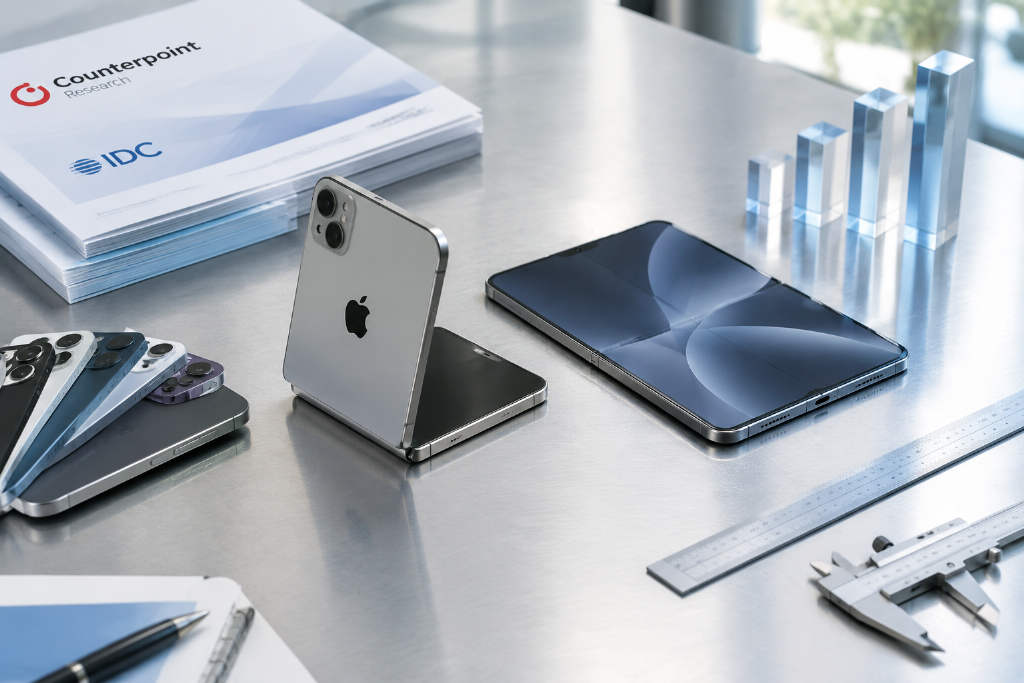
Apple2026-09-30 03:04:42Counterpoint forecasts about 6 million iPhone Duo sales this yearCounterpoint Research said Apple is expected to sell about 6 million iPhone Duo units this year, marking its first forecast for the market performance of Apple’s first foldable device. IDC also projected that global foldable smartphone shipments will rise 13% this year to 22.9 million units, with iPhone Duo expected to be a driver of that growth. The figures point to early expectations for Apple’s entry into the foldable segment and its potential effect on broader shipment volumes. The report cited by ChainCatcher did not provide further details beyond the sales estimate and IDC’s shipment outlook.380
Token Economy2026-09-21 12:27:12Tencent Research Institute says tokens are becoming the base unit of the AI economyTencent Research Institute argues in the introduction to its new book Token Economy that a token should be understood not as storage, compute cycles, or data transfer, but as a unit for machine-produced intellectual work. The piece places tokens alongside earlier economic units such as the bushel, the barrel, the kilowatt-hour, and the bit, arguing that major shifts in economic organization often follow the arrival of a new standard of measurement. The article says token-based AI services have already moved beyond theory. It cites OpenAI’s disclosure in March 2026 that its API was processing 15 billion tokens per minute, up from 6 billion per minute in October 2025. It also points to figures released by China’s National Data Administration showing daily token calls in China rising from about 100 billion in early 2024 to more than 140 trillion by March 2026. IDC, according to the article, reported in April 2026 that global AI infrastructure spending reached $318 billion in 2025, up from $153 billion in 2024. The text also argues that token markets strain standard economic frameworks. It says the same number of tokens can create sharply different economic value depending on the task, while prices are falling quickly even as total spending rises. The article describes this as a version of the Jevons paradox and says existing tools for procurement, pricing, ROI analysis, trade, and regulation need to be recalibrated for a market where machine intelligence is bought and sold as a metered service.550
Alibaba Cloud2026-09-04 04:03:02Alibaba Cloud Leads China Retail Cloud Market with 30.4% Market ShareAccording to IDC's China Retail Cloud Market Share 2025 report, Alibaba Cloud leads the market with a 30.4% share. In the infrastructure segment, which is the largest component of the retail cloud market, Alibaba Cloud holds a dominant 37.5% share. The company provides an AI technology system spanning chips, cloud, models, and applications, offering services including infrastructure, data platforms, large models, and industry applications. AI capabilities are integrated into retail operations such as intelligent marketing, smart shopping assistants, customer service, user insights, product management, and supply chain management. Brands including Adidas, Anta, Coach, L'Oréal, Lawson, CDFG, and Petkit have adopted Alibaba Cloud's AI platforms for digital transformation. Adidas uses the PAI platform and Qwen large model for an AI product design platform; Anta leverages Lingyang AgentOne and Qwen for an AI planning agent platform.990
Blockchain2026-09-02 09:49:55IDC: China Blockchain BaaS Market Reaches 2.07 Billion Yuan in 2025, Ant Group LeadsIDC's latest report reveals China's blockchain BaaS market reached 2.07 billion yuan in 2025, up 7.4% YoY. Ant Digital Technologies led with a 32.4% share and 20.6% growth, followed by Tencent Cloud and Inspur. Trusted data spaces and AI large models are new growth drivers. AntChain, Ant's blockchain arm, holds the most patents globally and supports 2 billion accounts with 100,000 TPS.1040
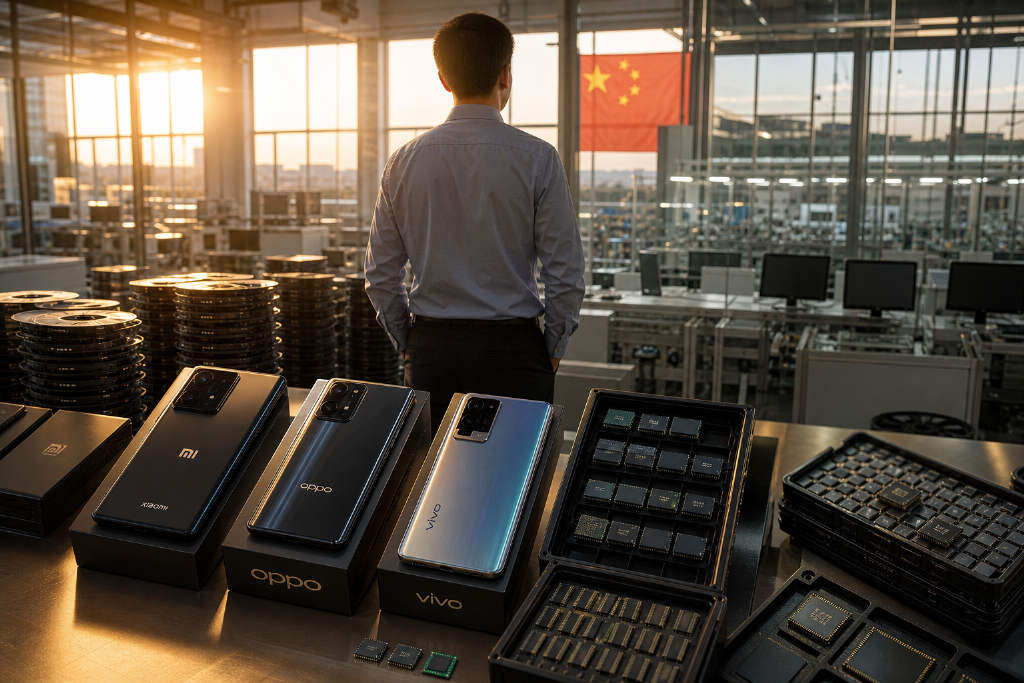
smartphones2026-09-01 04:05:14Rising memory costs push phone makers to cut flagship plans and raise pricesChinese smartphone vendors are entering the September flagship launch season with a far weaker outlook than in prior years, according to a MarsBit report citing multiple industry bloggers. The core pressure point is memory pricing. Blogger Digital Chat Station said the procurement cost for a 12GB+256GB memory package rose from about 500 yuan a year ago to 2,200 yuan this year, a 340% jump, making storage more expensive than the SoC in some handset bill-of-materials calculations. Another blogger, RD Observation, said several vendors have cut planned flagship output by 30% to 50%. The report also said price increases are now spreading across product tiers: lower-end devices could move into the 2,500-3,500 yuan range with 6GB memory starts, midrange and upper-midrange models may reach 4,000-5,000 yuan with 8GB starts, and flagship models could open around 5,500 yuan, 7,000 yuan, and 8,000 yuan depending on trim. The pressure is already visible in shipment data. Xiaomi reported second-quarter smartphone shipments of 31.2 million units, down 26.5% year over year, while IDC estimated total shipments by Chinese phone makers at about 66.01 million units in the quarter, down 4.3%. The report said vendors are now leaning harder on higher-priced models to protect margins, even as some upcoming flagships are expected to launch with lower memory configurations than previous generations.1000
Apple2026-08-26 17:09:43IDC says Apple’s first foldable iPhone could ship more than 10 million units in its first yearIDC expects Apple to launch its first foldable iPhone in September, with first-year shipments projected to exceed 10 million units even though the device may be priced as high as $2,500. The forecast points to a strong market entry for Apple in the foldable smartphone segment. IDC also said global foldable smartphone shipments are expected to rise 12.6% this year and 18% next year. By 2027, Apple is projected to account for 40% of worldwide foldable smartphone shipments. The figures were cited in a ChainCatcher newsflash.1000
AI compute2026-08-26 08:48:30AI Compute Demand Pushes Memory Costs Higher as Amazon and Other Tech Firms Raise Hardware PricesRising demand for AI compute is continuing to drive up memory chip prices, with the cost pressure now moving downstream into consumer electronics and hardware products. Amazon has recently raised prices on several devices, including its best-selling entry-level Echo smart speaker, which went from $49.99 to $79.99, and a 16GB base-model e-reader, which increased from $109.99 to $149.99. Before Amazon’s move, Apple, Microsoft, and Dell had already responded to higher storage costs by lifting product prices or cutting standard memory configurations in hardware lineups. IDC had previously warned that the global memory supply crunch could last through 2027. Industry expectations cited in the report say storage chip prices may peak in 2028 before gradually easing. The latest pricing changes point to how AI-related infrastructure demand is spilling over into broader hardware supply chains.1280