
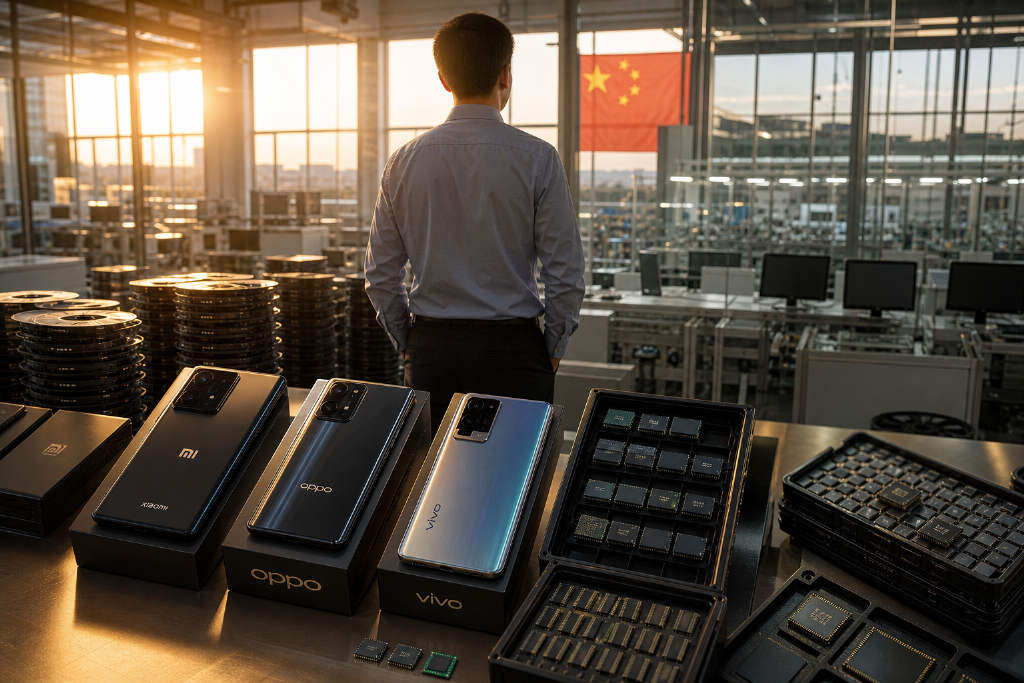
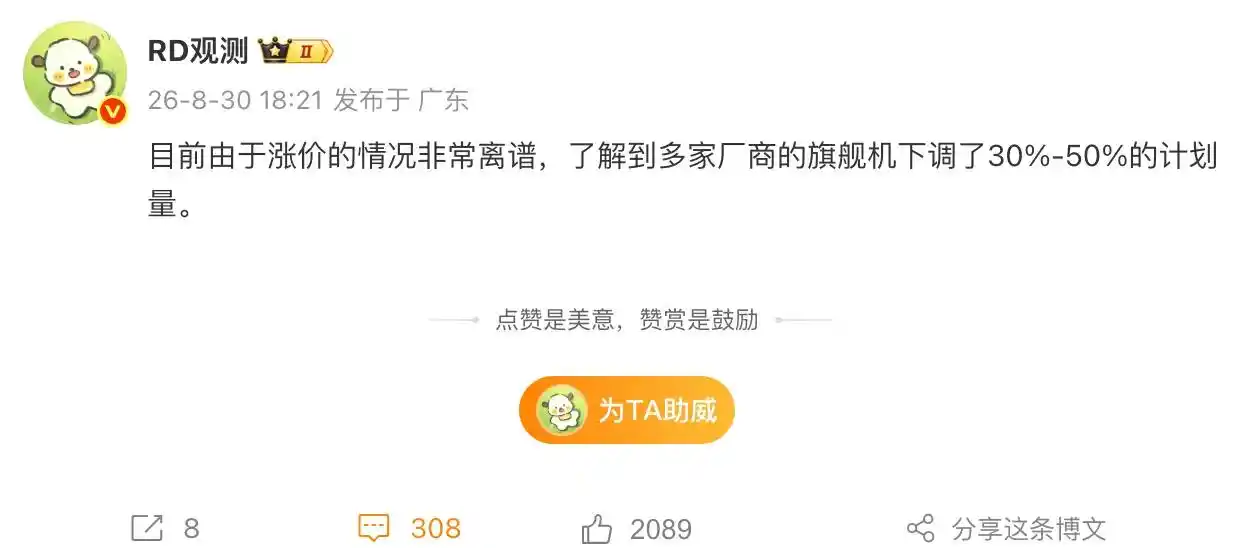
Smartphone makers in China and overseas are set to unveil their next flagship phones from September, but this year’s launch cycle looks notably more cautious. A MarsBit report, citing blogger RD Observation, said several vendors have cut planned flagship production by 30% to 50% as both component costs and final retail prices continue to climb.
Flagship starting prices keep moving higher
A few years ago, standard flagship models typically started at around 3,999 yuan. Models currently on sale, including the Xiaomi 17, OPPO Find X9 and vivo X300, have already pushed first-sale pricing above 4,300 yuan. The upcoming Xiaomi 18 series, OPPO Find X10 series and vivo X400 series could start at around 5,500 yuan, according to the report.
That price shift has fed back into demand expectations, prompting brands to scale back output plans for premium models.
Memory costs have become the main pressure point
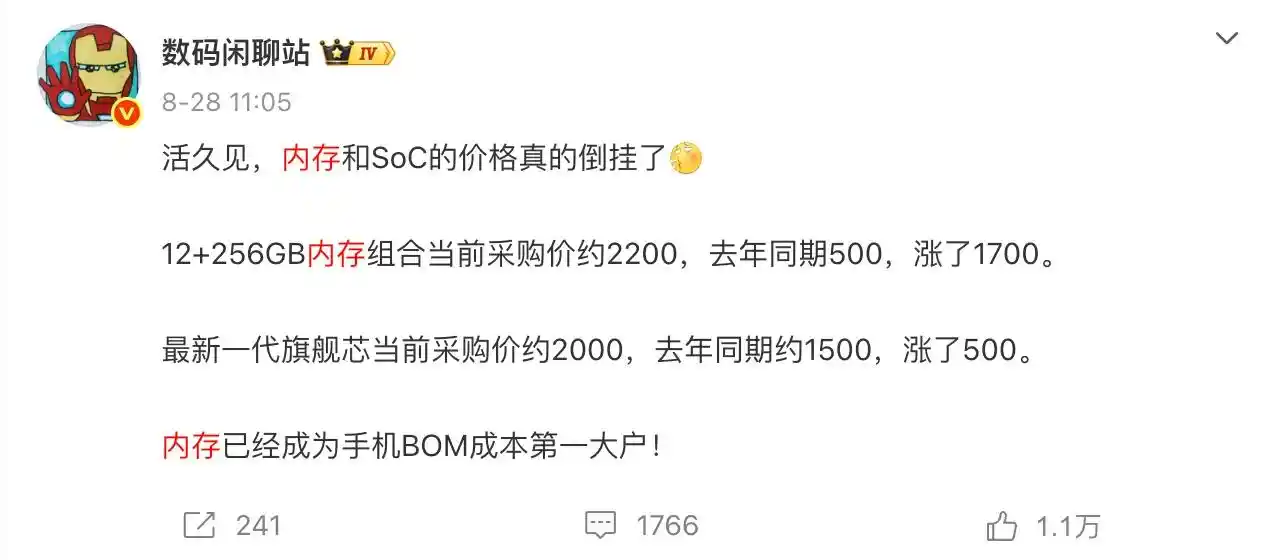
The report linked the squeeze to AI-driven demand for memory, flash storage and compute chips, which has tightened foundry capacity and sent storage pricing sharply higher. Blogger Digital Chat Station said a 12GB+256GB memory package that cost about 500 yuan in the same period last year now costs 2,200 yuan, up 340% year over year. Storage, the blogger said, has now overtaken the SoC as the most expensive hardware component in a smartphone.
The same source added that one camera-focused model aimed at offline retail channels dropped its ultra-premium version because of memory cost pressure.
Price increases are spreading across all tiers
RD Observation said lower-end lines such as REDMI Note, OPPO A, vivo Y and Honor X could move into the 2,500-3,500 yuan range, with memory starting at 6GB. Upper-midrange models such as Xiaomi T-series phones, OPPO Reno devices and vivo S-series models may rise to 4,000-5,000 yuan, with 8GB as the entry memory tier.
For flagships, the report said starting prices for standard, larger and ultra models may rise to about 5,500 yuan, 7,000 yuan and 8,000 yuan.
Apple and Huawei, while still carrying stronger pricing power than most Android vendors, are not fully insulated. The report said the iPhone 18 series is expected to rise by 1,500-2,000 yuan.
At the same time, some new flagship phones are set to lose memory capacity rather than gain it. In recent years, entry-level Android flagships often began at 12GB+256GB, with top-end trims reaching 16GB+1TB. The next standard flagship models, the report said, may return to 8GB as the starting point, while top-end memory could be reduced to 12GB+1TB.
That matters because app sizes keep growing, and lower memory capacity tends to expose background app reload issues. Virtual memory features are widely available, but flash read-write speeds are still limited and cannot fully handle frequent app switching and background retention.
Phones are no longer following the old post-launch price pattern
In earlier cycles, handset prices usually fell after release. This year has looked different. Since the start of the year, brands including OPPO/OnePlus, Xiaomi, vivo/iQOO, Honor, Samsung and Huawei have raised prices multiple times, the report said.
The Xiaomi 17 series was given as an example. After several increases, the standard Xiaomi 17 now starts at 5,099 yuan on the official website, 600 yuan above its launch price. That stands in contrast to prior years, when new phones often saw substantial discounts within about half a year of release.
Shipments are under pressure as vendors chase margin
Xiaomi’s financial report showed second-quarter smartphone shipments of only 31.2 million units, down 26.5% year over year. On an industry basis, IDC said Chinese phone makers shipped about 66.01 million units in the second quarter, down 4.3% from a year earlier.
Among major brands, OPPO, vivo and Xiaomi all posted weaker sales, while Apple and Huawei continued to grow, which the report attributed to stronger pricing power and lower sensitivity to rising memory costs.
Vendors are being pushed upmarket as a result. The report said broad component inflation has lifted the entire handset ladder: lower-end devices are moving into price bands that once belonged to upper-midrange models, while upper-midrange phones are crossing into mainstream flagship territory. One example cited was the recently launched REDMI K100 Pro Max, whose top-end version is priced at 5,999 yuan, a level that would have been out of reach for REDMI a few years ago.
The same nominal increase also hits consumers differently depending on the segment. A 1,700-yuan increase on a lower-end phone that once sold for around 2,000 yuan nearly doubles the price. The same 1,700-yuan rise on a flagship that used to sell for around 6,000 yuan lifts the price by less than one-third.
The report argued that lower-end and flagship devices target different buyers, and premium users are generally less price-sensitive and better able to absorb cost increases.
Average selling prices are rising
Xiaomi’s average selling price in the second quarter reached 1,351 yuan, up 25.9% year over year. In mainland China, the share of Xiaomi phones priced at 3,000 yuan and above reached 32.1% for the first time, the report said, the highest level the company has recorded.
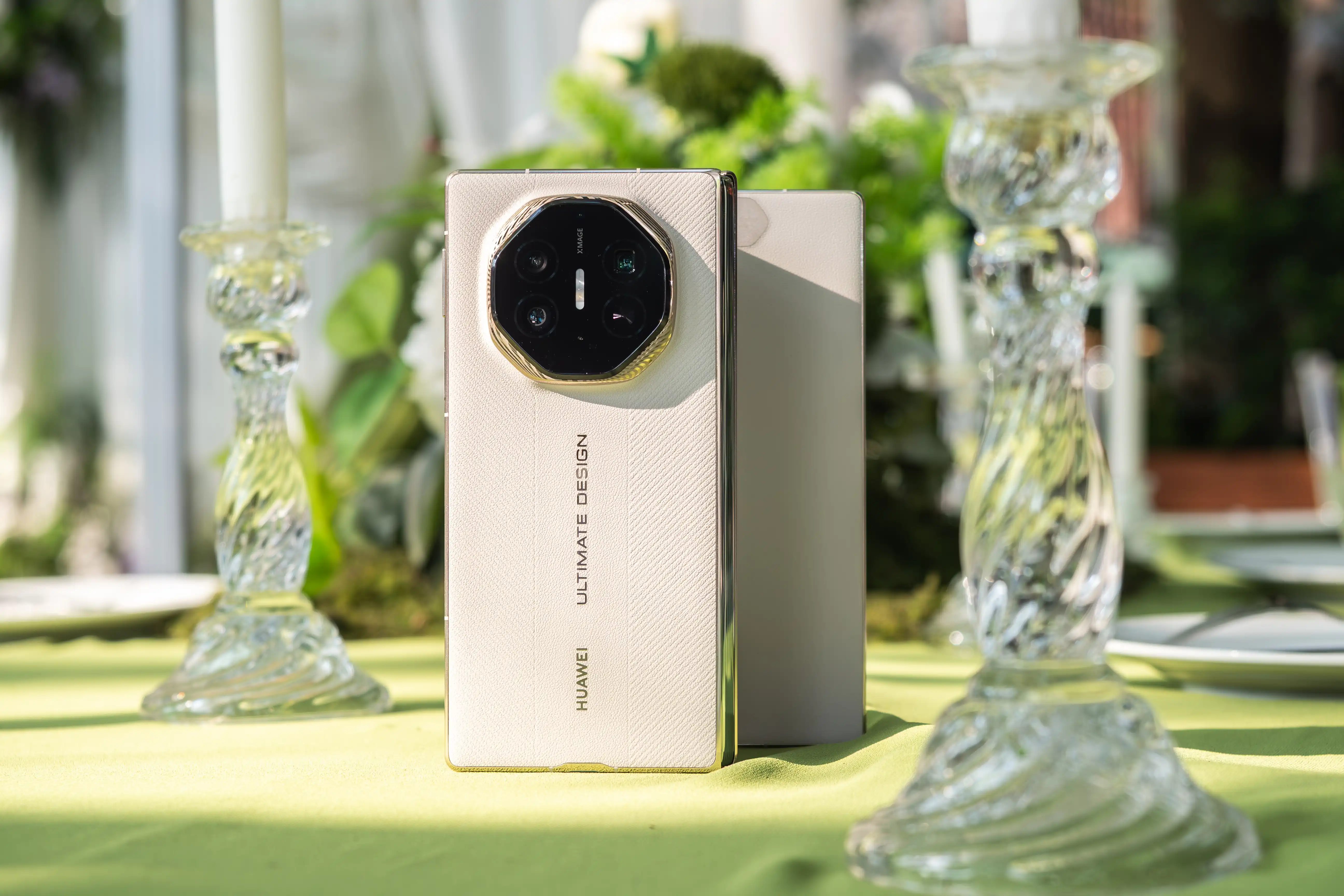
Apple’s and Huawei’s sales growth during a weak market was cited as another sign that flagship demand has stayed steadier than the broader market.
With an overall decline in phone volumes increasingly hard to avoid, vendors are focusing first on preserving profit. Higher-margin flagship devices fit that goal. The report said this forced move upmarket brings both concern and opportunity for Chinese brands: the narrowing price gap with Apple and Huawei means tougher direct competition, but it also opens a path to push deeper into the premium segment.
Apple remains the global leader in high-end smartphones, while Huawei is the only major domestic player in China seen as directly competing with it. Other Chinese vendors have mainly relied on price and hardware-heavy value positioning to secure a place in the premium market while continuing to test new designs and technologies. As Android flagship prices rise, the gap with Apple and Huawei devices is likely to narrow, putting more weight on product strength.
Launch schedules are being adjusted too
The report said Xiaomi and Apple have both changed release timing this year to reserve more chips for larger and ultra-premium models. Xiaomi previously launched its standard and larger models first, then rolled out the ultra model later. This year, it is releasing the larger model first and delaying the standard version.
Apple is making a similar shift. The iPhone 18 Pro and Pro Max are due this year, while the iPhone 18 and iPhone Air 2 are set for early next year.
That strategy lets brands prioritize higher-spec Pro versions with better early-cycle margins, while also easing pressure from tight memory supply. The report added that the delayed standard versions could even arrive after the current price surge has started to fade.
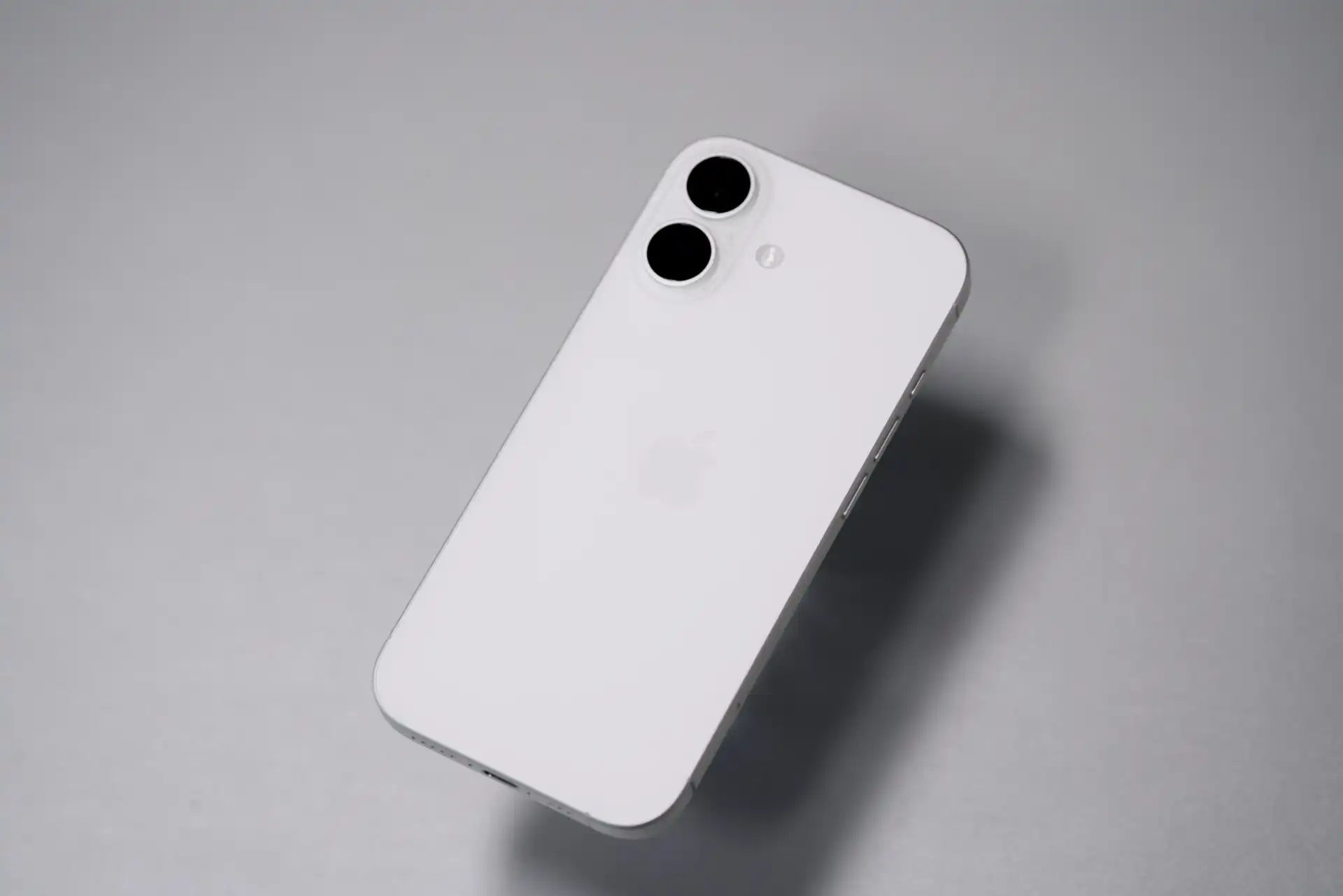
Memory inflation may be slowing, but not handset prices
In July, Digital Chat Station said several of the top six phone makers had explicitly rejected proposed memory price increases for the coming months, and multiple business-side buyers had also pushed back. South Korean outlet News1 reported that OPPO and vivo had rejected Samsung’s proposed third-quarter storage price adjustment terms.
Bernstein’s July memory pricing tracker showed server DRAM contract prices rose 8% to 15% month over month in July, with total third-quarter gains of about 13% to 18%. In smartphones, third-quarter DRAM contract prices were up about 10%. NAND wafer contract prices were flat in July, while module makers focused on clearing inventory and saw a sharp drop in product deliveries.
Based on those media and investment bank data points, the report said the pace of memory price increases has already slowed significantly, with a peak expected by the end of this year and some pullback possible next year.
Even so, the report did not expect flagship phone pricing to return to levels seen several years ago. Its view was that vendors may use this round of memory inflation to hold their ground in the premium market. If memory costs ease, brands are more likely to add hardware back in order to realign specifications with current price points than to cut prices outright.
In that scenario, the 4,000-5,500 yuan range would be left to upgraded upper-midrange models, lifting the whole market ladder upward, while new entry-level products would fill the low-end segment.