Lunar

Whale Movemen
2026-08-27 06:30:00

Former Foresight Ventures co-founder pitches Mojo as an AI trading product built around trader behavior

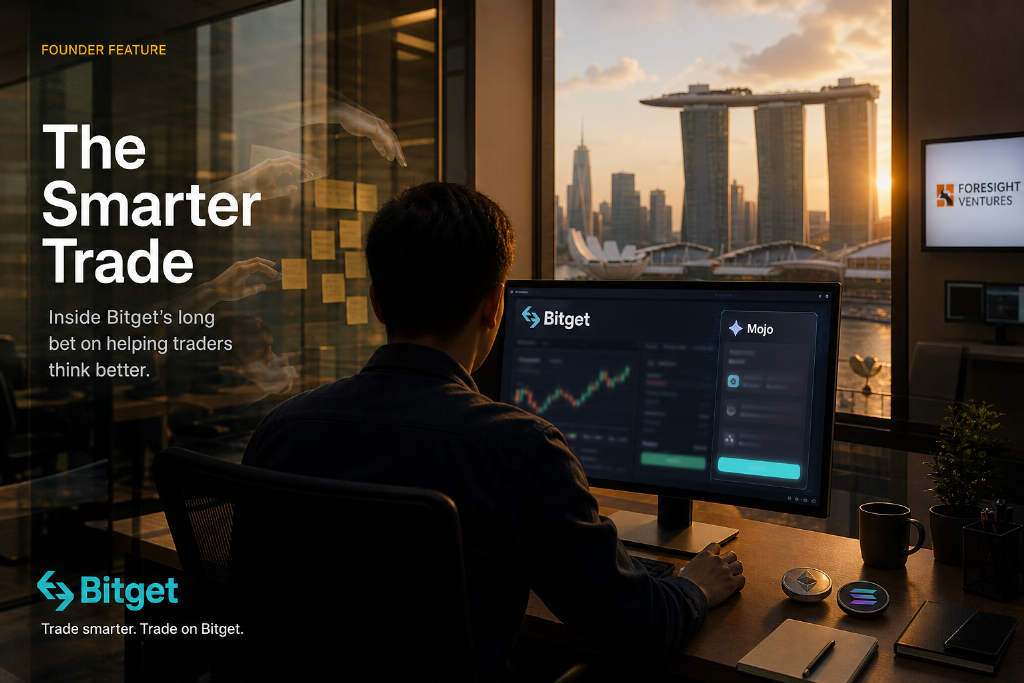
WhiteForest, a former co-founder of Foresight Ventures, has published a lengthy critique of the current AI trading market while introducing Mojo, a product he says is designed to confront retail traders with their own repeated mistakes instead of feeding them more signals. Drawing on his time overseeing five business lines at Bitget and reviewing trading data from hundreds of thousands of retail users, he argues that retail losses are not mainly caused by weak judgment or a lack of information. In his view, the bigger problem is execution at critical moments and the absence of systems that can surface a trader’s own prior rules, comments, position limits, and repeated behavior before another trade is placed. The article groups most AI trading offerings into four categories: strategy cards, copy-trading agents, AI analysis chatboxes, and products that integrate large language models but reduce them to rigid, hard-coded workflows. WhiteForest says those products optimize distribution, engagement, or data collection rather than decision quality. He uses that framework to present Mojo as a system that can show a user what they did over the prior 12 months, what they previously said they would do, and whether they are simply repeating a pattern. He also makes broader claims about how user behavior data could be captured and monetized by proprietary trading firms if the market keeps moving in its current direction.
250
Former Foresight Ventures co-founder pitches Mojo as an AI trading product built around trader behavior
Lunar
2026-08-25 11:25:31

Lunar founder raises €8.2 million to launch AI audit firm Repodo

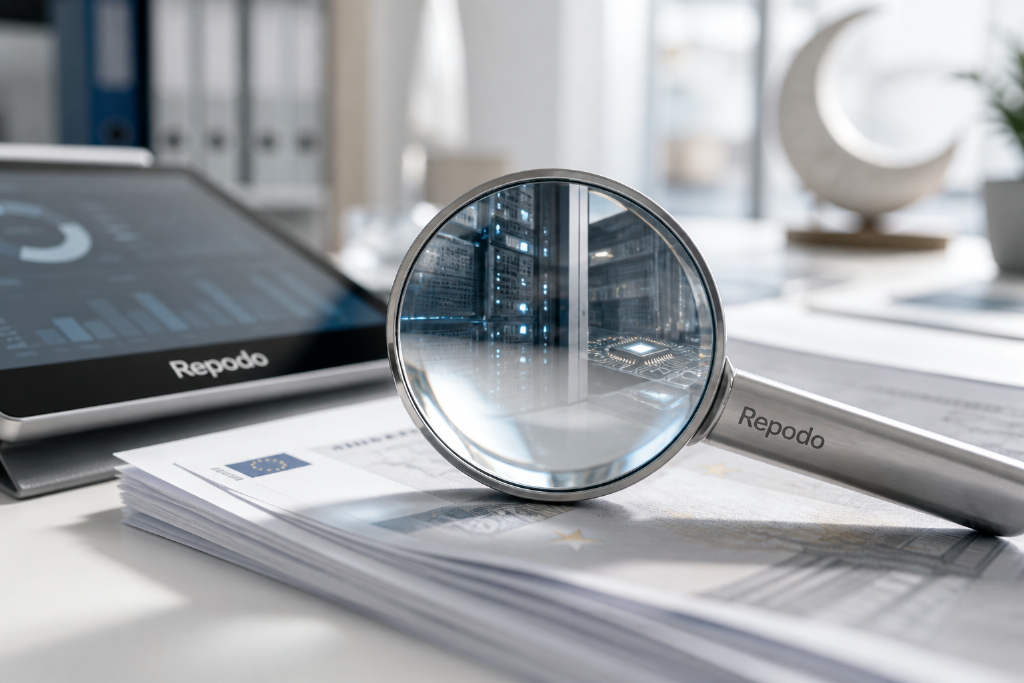
The founder of Web3 project Lunar has announced an €8.2 million funding round tied to the launch of Repodo, an AI-driven audit company. According to the Techub News brief, the new company is aimed at bringing advanced auditing tools to small and medium-sized businesses through artificial intelligence. The report says Repodo plans to challenge traditional audit giants with that offering. The item was published by Techub News and cited Crypto Briefing as the source. No other details on the financing, investors, or rollout timeline were disclosed in the brief.

150
Lunar founder raises €8.2 million to launch AI audit firm Repodo
HSBC
2026-08-20 08:32:50

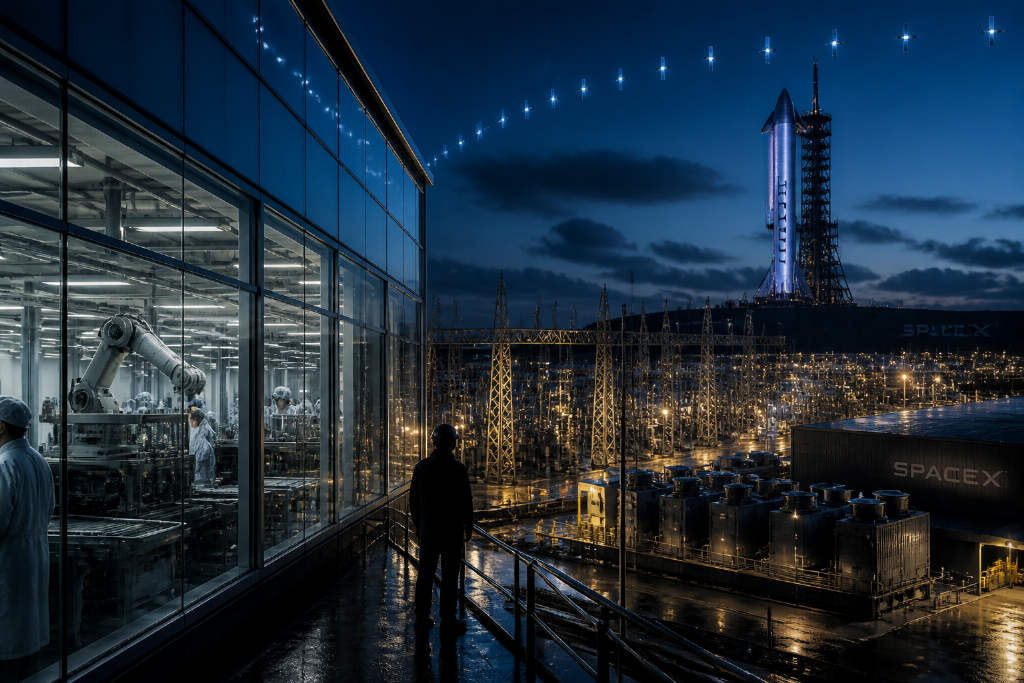
HSBC says Starlink and Starship are already feeding space-economy gains back into industries on Earth

HSBC said in an Aug. 18 cross-sector report that the most urgent value of the space economy is not asteroid mining or Mars colonization, but the way it is already reshaping industries on Earth. The report, led by HSBC Global Equity Research Co-Head Raj Sinha, spans 12 sectors including telecoms, semiconductors, power, industrials, agriculture, insurance and finance. According to the report, SpaceX’s satellite internet business had 10,200 satellites in orbit and 12 million broadband users as of June 30, 2026, covering 167 markets. Another 7.4 million monthly active devices used Direct to Cell service across 30 countries. HSBC argues that satellite connectivity has moved beyond a backup option for remote areas and is becoming default infrastructure in shipping, aviation and trucking. The bank also sees Starlink’s relationship with terrestrial telecom operators as largely complementary, pointing to deals with T-Mobile, KDDI and Airtel Africa. HSBC also highlighted launch economics. Falcon 9 low-earth-orbit launch costs were cited at $2,940 per kilogram, Falcon Heavy at $1,520, while Starship is targeting $100 to $300 per kilogram. The bank said those cost declines are forcing a rethink of satellite manufacturing, orbital data centers and asteroid-mining models. In HSBC’s view, power, semiconductors and robotics are the three sectors seeing the clearest and most immediate impact.

250
HSBC says Starlink and Starship are already feeding space-economy gains back into industries on Earth
Xiaomi EV
2026-08-19 08:25:16

Xiaomi EV factory hiring image sparks debate over 13-day work stretch and outsourced labor

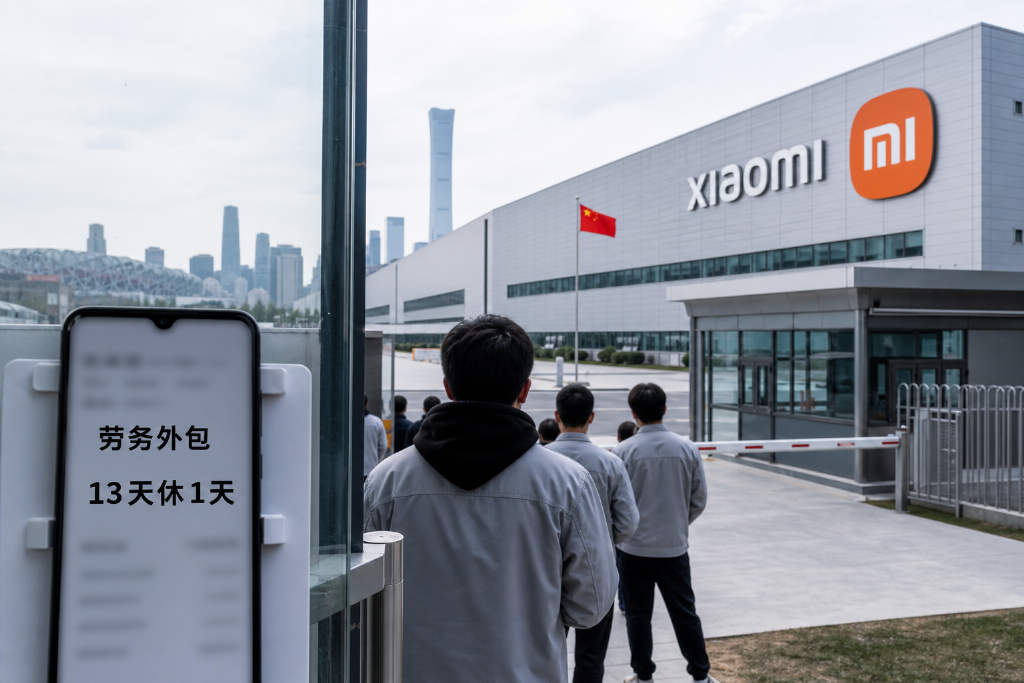
A hiring image said to be from Xiaomi EV’s Beijing super factory has circulated on Chinese social media, drawing attention for a schedule that lists two rotating shifts, 11 actual working hours a day, and one rest day after 13 consecutive workdays at a wage of RMB 25 per hour. The report says the more consequential detail may be the employment label on the form: outsourced labor rather than direct hiring. According to the circulated image, the factory was recruiting general workers aged 18 to 32 with at least a high school education, offering dormitory housing, social insurance, meal subsidies, shuttle buses, and a night-shift allowance. The reported monthly hours would reach about 306, far above China’s standard monthly working-hour benchmark cited in the article. The article also contrasts the alleged outsourced terms with Chinese media reports from 2025 on regular blue-collar positions at Xiaomi’s Beijing plant, where pay structures included base salary plus overtime multipliers. It further discusses the legal distinction between labor dispatch and labor outsourcing in China, and places the hiring controversy against Xiaomi EV’s production expansion, delivery targets, and second-quarter financial figures. The authenticity of the screenshot has not been fully verified, and Xiaomi has not issued an explanation regarding the reported recruitment notice.

200
Xiaomi EV factory hiring image sparks debate over 13-day work stretch and outsourced labor
Unitree Robot
2026-08-19 12:04:01

Unitree’s seven-year funding path: from a RMB 2 million check to a crowded cap table

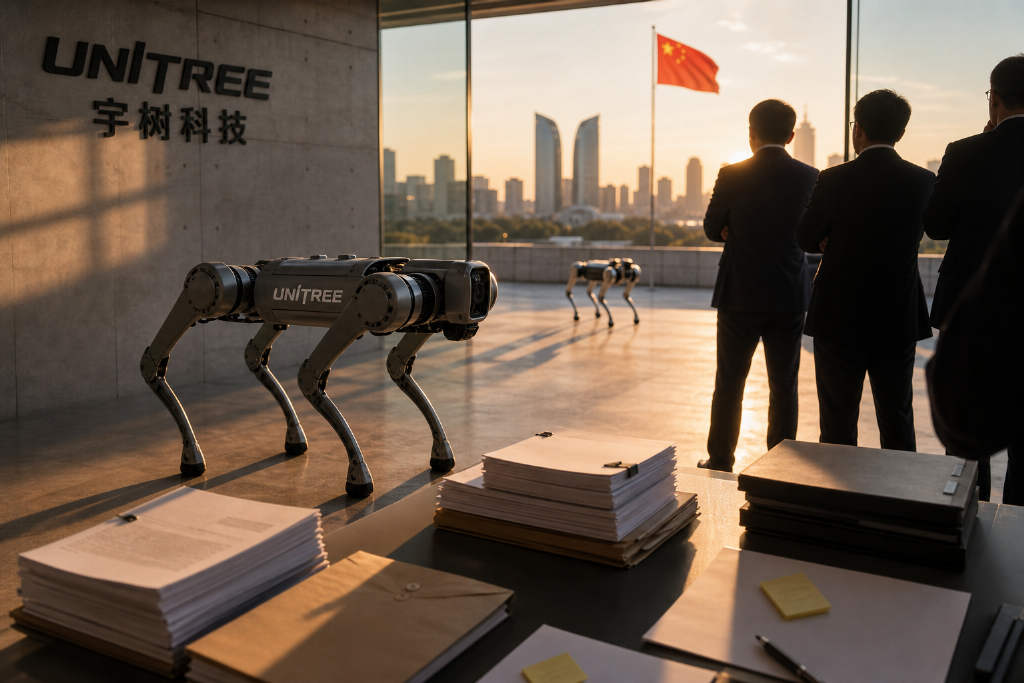
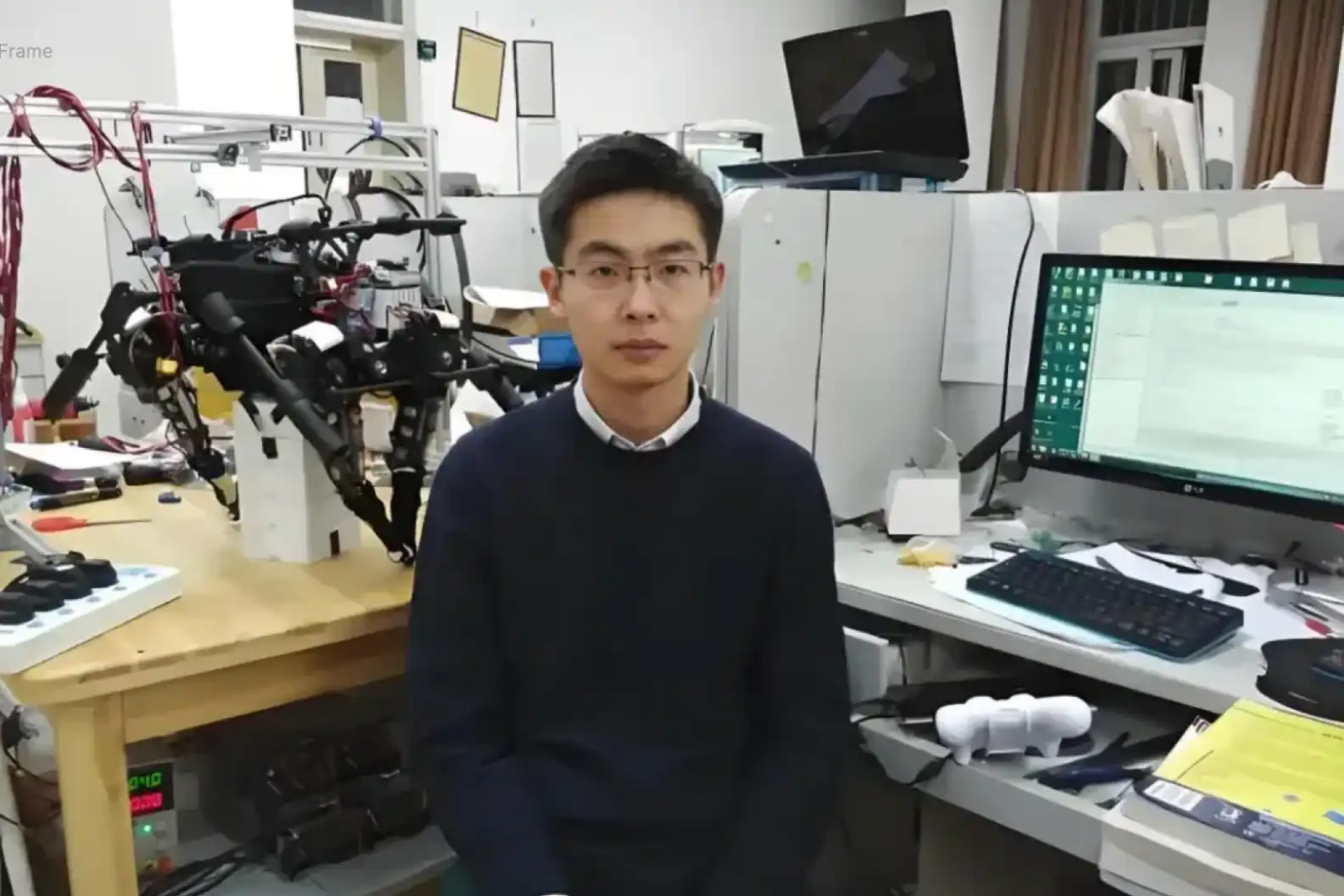
A PANews feature, citing reporting by Zhang Yihao and Chen Zhiyan for elsewhere, retraces Unitree Robotics’ fundraising history through old WeChat messages, investment memos, photos and due-diligence notes collected from some of the company’s backers. The report says founder Wang Xingxing received a RMB 2 million investment in 2018 from Variables Capital, affiliated with GeekPark, marking Unitree’s first institutional financing and its second known investment after Yin Fangming. The article describes how hard fundraising was in the early years. Wang did not fit the standard venture template, and quadruped robotics was still viewed as an unclear market. At one point, cash ran so tight that he had to use his own money to cover payroll. According to the report, financing remained difficult until Unitree’s robot dog appeared on the Year of the Ox Spring Festival Gala in 2021 and the company cut the price of Go1 to RMB 16,000. By the time of the company’s B2 round before the 2024 Lunar New Year, investors including Meituan, Jinshi Investment and Source Code Capital had entered. The piece also details how Sequoia China seed investor Li Yannan first found Wang through a QQ email address, how Wang carried an A1 robot dog to Beijing for a live investment committee demo, and how several firms later documented Unitree’s revenue, margins, customer list and product positioning.

430
Unitree’s seven-year funding path: from a RMB 2 million check to a crowded cap table
Unitree Robot
2026-08-19 10:34:07

Unitree funding story retraced from early memo files to its rise as a consensus robotics bet

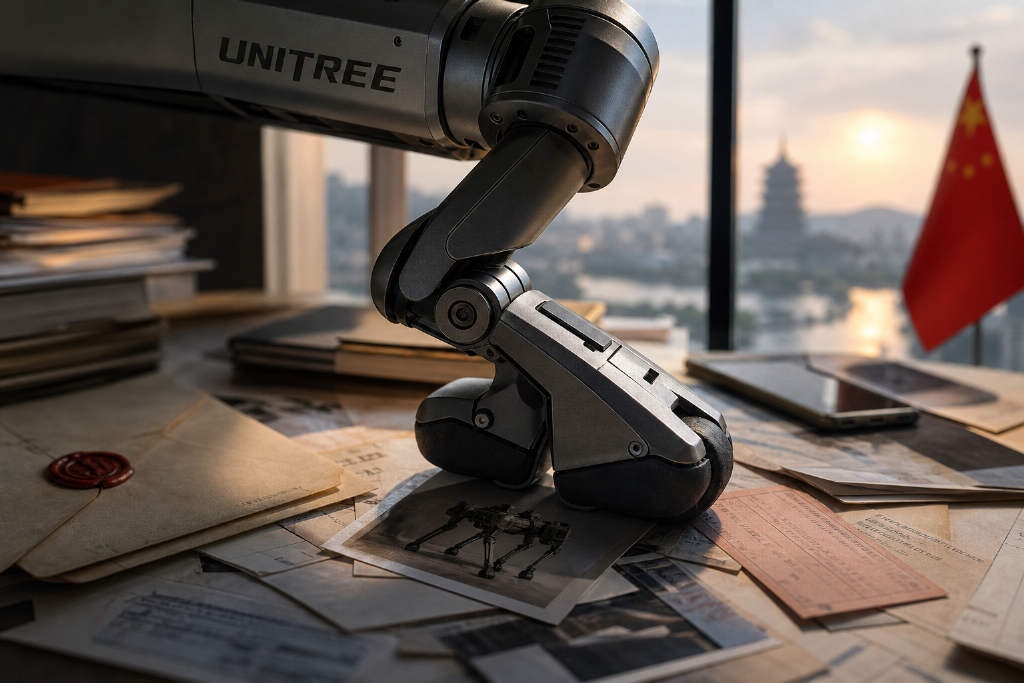
TechFlowPost’s elsewhere project has published an online exhibit tracing the funding history of Unitree Robotics through archived WeChat messages, investment memos, photos and videos from early backers. The materials show that founder Wang Xingxing received a RMB 2 million investment from Variables Capital in 2018, described as Unitree’s first institutional financing and the second investment after Yin Fangming. The records also revisit a period when fundraising was difficult, cash was tight, and Wang at one point used his own money to cover payroll. The exhibit lays out a multi-stage financing path. After early backing from Yin Fangming, Variables Capital, Anchuang Technology and Binhe Investment, firms including Sequoia China, Vertex Ventures, Shunwei Capital, Chuxin Capital and Matrix Partners China entered from 2019 onward. A turning point came before the 2024 Lunar New Year, when investors such as Meituan, Jinshi Investment and Source Code Capital joined Unitree’s B2 round. The story also includes internal assessments of Wang, 2020 operating metrics showing an 18-person company with RMB 11.8282 million in annual revenue, and investor notes that documented Unitree’s product focus, customer base and pricing against Boston Dynamics.

1200
Unitree funding story retraced from early memo files to its rise as a consensus robotics bet
SpaceX
2026-08-19 06:59:52

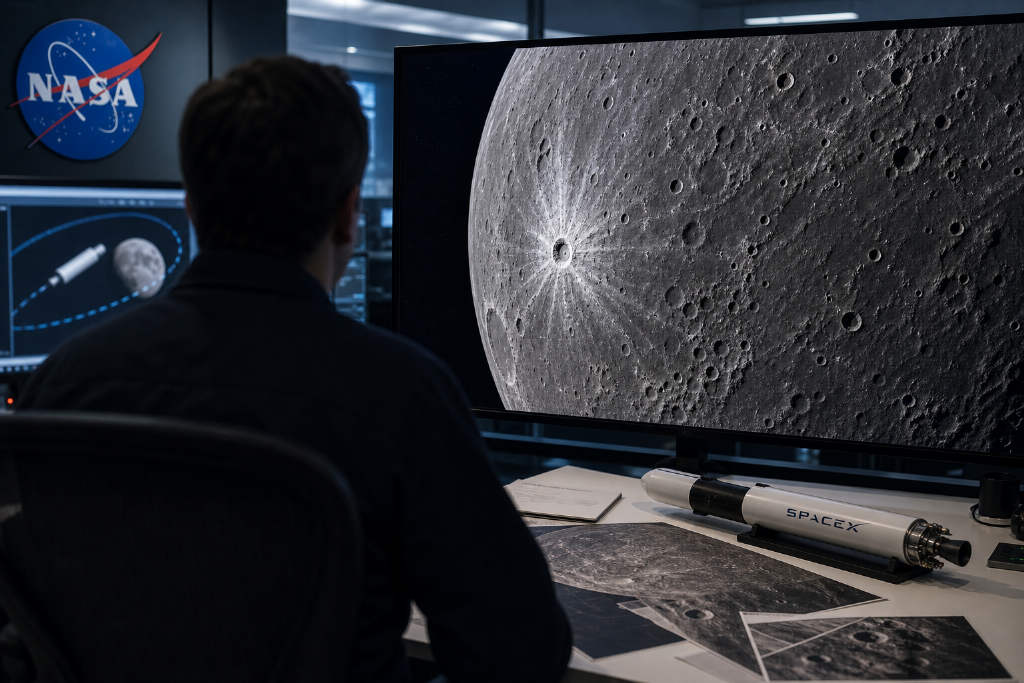
NASA confirms Falcon 9 upper stage hit the Moon, leaving an 18-meter crater

NASA has released new lunar images confirming that a SpaceX Falcon 9 second stage slammed into the Moon on Aug. 5, 2026, at roughly 8,700 kilometers per hour, carving out a crater 18 meters wide and nearly 3 meters deep near the Moon’s western limb. The object, identified as international designation 2025-010D, was the upper stage from a Falcon 9 launch on Jan. 15, 2025, that carried two lunar missions: Firefly Aerospace’s Blue Ghost 1, which later made a successful soft landing, and ispace’s Resilience, which ended in failure. NASA said Lunar Reconnaissance Orbiter images taken on Aug. 11 and 12 captured bright and dark ejecta rays around the impact site. The agency said the brighter material came from freshly excavated subsurface layers, while the darker streaks likely came from weathered material about 46 centimeters below the surface. South Korea’s Danuri orbiter had earlier published images from Aug. 5 and estimated the crater could be as large as 27 meters. The crash is the second known unintentional lunar impact caused by human-made hardware. SpaceX said it is working with NASA on ways to prevent similar uncontrolled Moon impacts, as regulatory gaps in cislunar space become harder to ignore.

360
NASA confirms Falcon 9 upper stage hit the Moon, leaving an 18-meter crater
Unitree Robot
2026-08-11 13:00:00

Unitree and Founder Wang Xingxing Reach STAR Market Subscription After Nine-Year Rise

Unitree Robotics has opened subscription for its STAR Market listing at an issue price of RMB 150.80, implying a post-offering valuation of about RMB 61 billion. Founder Wang Xingxing directly and indirectly holds 33.36% of the company, giving him a paper fortune of roughly RMB 20 billion based on the filing cited in the source material. The listing caps a long climb that began with hand-built student projects, an early quadruped robot assembled on a tight budget, and an awkward 2017 appearance on the sidelines of the Wuzhen internet conference, where few people knew his name. The story tracks Unitree’s path from Wang’s early years in Zhejiang and his time at Zhejiang Sci-Tech University and Shanghai University, to the launch of XDog and the later commercial debut of Laikago. It also details the company’s financing history, including early backing from Yin Fangming, support from Zhang Peng’s fund at a cash crunch, and later rounds involving Shunwei Capital, Meituan-linked investors, Tencent-related capital, state-backed funds and others named in the source. The report also covers Unitree’s surge in public visibility through repeated appearances on China Central Television’s Spring Festival Gala, the company’s 2025 domestic revenue mix, humanoid robot sales, and Wang’s return to Wuzhen years after he first attended as a little-known founder outside the main venue.

1140
Unitree and Founder Wang Xingxing Reach STAR Market Subscription After Nine-Year Rise