Tokenized fund race shifts from size to control of digital money rails
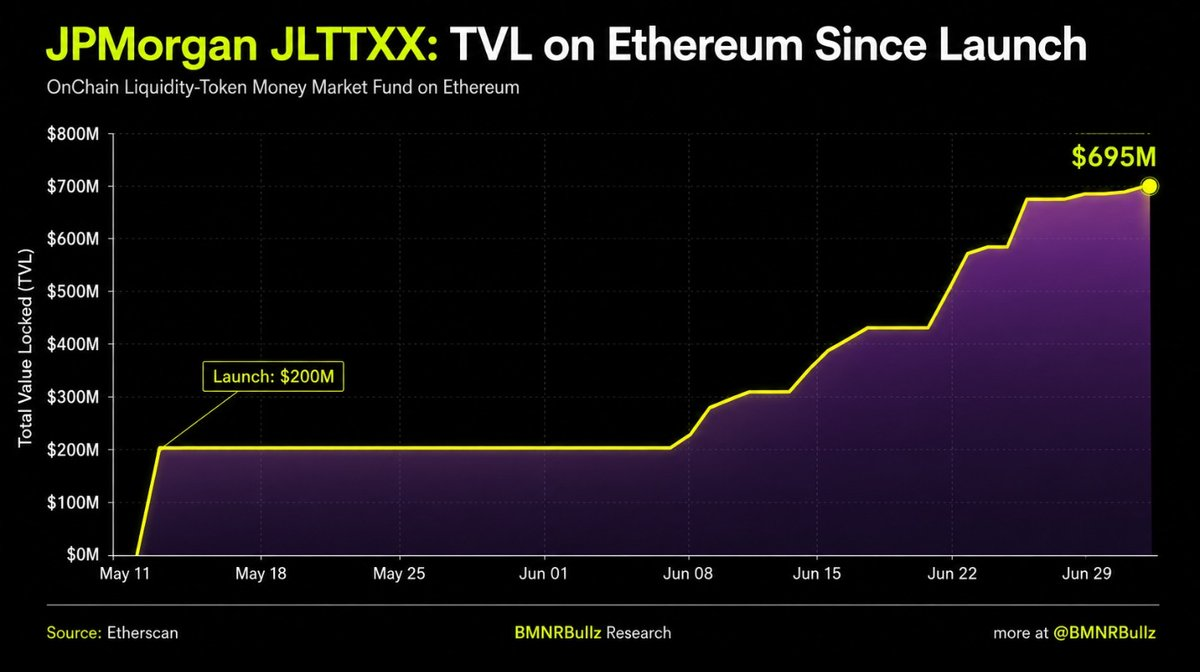
Tokenized money market and Treasury funds are moving beyond their original role as yield products and into a new position inside institutional digital cash systems. By May 2026, tokenized Treasury and money market funds had reached about $10 billion in combined assets, with BlackRock’s BUIDL alone accounting for roughly 40% of that total. At the same time, Hong Kong moved tokenized funds from a subscription-and-redemption model toward 24/7 secondary trading, while banks in Singapore began testing tokenized fund shares as collateral for lending and trading activity. The competition is now centered on utility rather than issuance alone. In the United States, tokenized funds are increasingly being tied to stablecoin reserve structures, including JPMorgan’s JLTXX on Ethereum, which is designed for reserve use under the GENIUS Act framework. Europe and the UK are focusing on fitting these products into formal regulatory systems. Singapore is pushing the collateral use case. Hong Kong, meanwhile, is trying to combine issuers, banks, trading venues and settlement infrastructure in one regulated market structure. What is emerging is not simply a new wrapper for traditional money funds. Tokenized fund shares are being tested as assets that can circulate across trading, settlement and credit networks. That raises a broader question for asset managers, banks and crypto platforms alike: in a market where cash management tools, bank deposits and digital currencies start to share the same rails, who will control access to the system itself?