SUMCO

UBS
2026-09-22 04:01:10

UBS says wafer makers may need 40%+ price increases before adding new capacity

UBS said in a Sept. 18, 2026 global wafer industry report that tightening supply-demand conditions in 12-inch and 8-inch wafers are likely to persist over the next two years, with 12-inch utilization projected to rise from 84% in 2026 to 99% in 2028. The bank argued that the market may be treating wafer producers as beneficiaries of a cyclical rebound, but higher prices are also a prerequisite for capacity expansion after the downturn from 2023 to 2025 left manufacturers cautious. UBS estimated wafer prices could rise more than 20% annually in 2027 and 2028, similar to the 2017-2018 upcycle. Still, industry feedback cited in the report suggests customers may need to accept price increases of 40% to 50% or more before suppliers seriously consider building capacity for 2028 and beyond. Without expansion, UBS said utilization could reach 103.7% in 2029, with shortages beginning to show that year. The report also said Chinese wafer makers are expanding, but their effect on global supply-demand conditions in 2027 and 2028 should be limited, especially in the high-end segment. UBS maintained Buy ratings on Shin-Etsu Chemical, GlobalWafers and Siltronic, while keeping SUMCO at Neutral.
20
UBS says wafer makers may need 40%+ price increases before adding new capacity
UBS
2026-09-22 04:01:00

UBS says wafer makers may need 40%-50% price hikes before adding new capacity

UBS said in a Sept. 18, 2026 global wafer industry report that tighter supply-demand conditions in 12-inch and 8-inch wafers are likely to persist over the next two years, with 12-inch utilization projected to rise from 84% in 2026 to 99% by 2028. The bank argued that after the downcycle from 2023 to 2025, wafer manufacturers remain cautious on expansion, and price increases are not just a byproduct of a rebound but a condition for new capacity. According to UBS, the industry may need to see price gains of more than 40% to 50% before producers are willing to commit to expansion for 2028 and beyond. UBS also said demand upgrades were driven by stronger customer restocking and faster DRAM capacity additions. On stock coverage, the bank rated Shin-Etsu Chemical, GlobalWafers and Siltronic as Buy, while keeping SUMCO at Neutral. It also said Chinese capacity additions should have limited impact on the global high-end wafer market over 2027 to 2028.

10
UBS says wafer makers may need 40%-50% price hikes before adding new capacity
TSMC
2026-07-31 10:12:49

Why TSMC stayed with Kumamoto after the 7.1 quake hit JASM

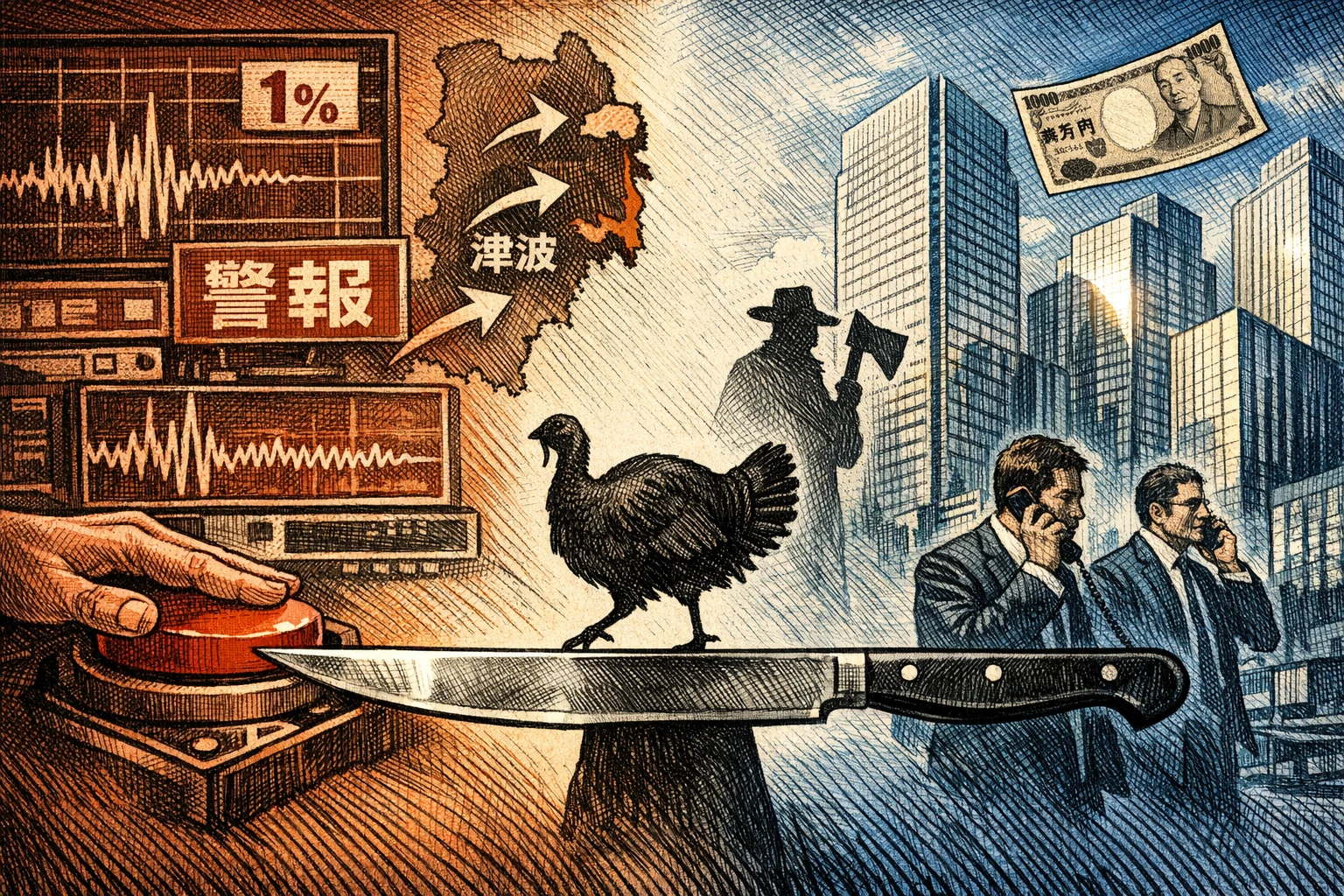
A 7.1-magnitude earthquake that struck Kumamoto on July 28 briefly halted production at Japan Advanced Semiconductor Manufacturing (JASM), TSMC’s chip venture in the prefecture, and paused construction at its second plant. The disruption revived a familiar question in the market: why would TSMC place such a large wafer-fab investment in a high-risk seismic zone? The source article argues the answer lies less in luck than in industrial arithmetic. Kumamoto sits inside a semiconductor cluster built over roughly six decades across Kyushu, with nearby suppliers, customers, water resources and lower power costs already in place. JASM’s two plants also carry more than $20 billion in combined equipment investment, while Japanese government subsidies for the first and second fabs total about ¥1.2 trillion, covering roughly 40% of spending. The article also points to precedent. Sony suffered ¥28 billion in losses in the 2016 Kumamoto earthquake, yet stayed in Kikuyo and kept expanding. In that framing, the real comparison is not between risk and no risk, but between recovery costs after a quake and the far higher cost of relocating an entire supply-chain ecosystem.

780
Why TSMC stayed with Kumamoto after the 7.1 quake hit JASM