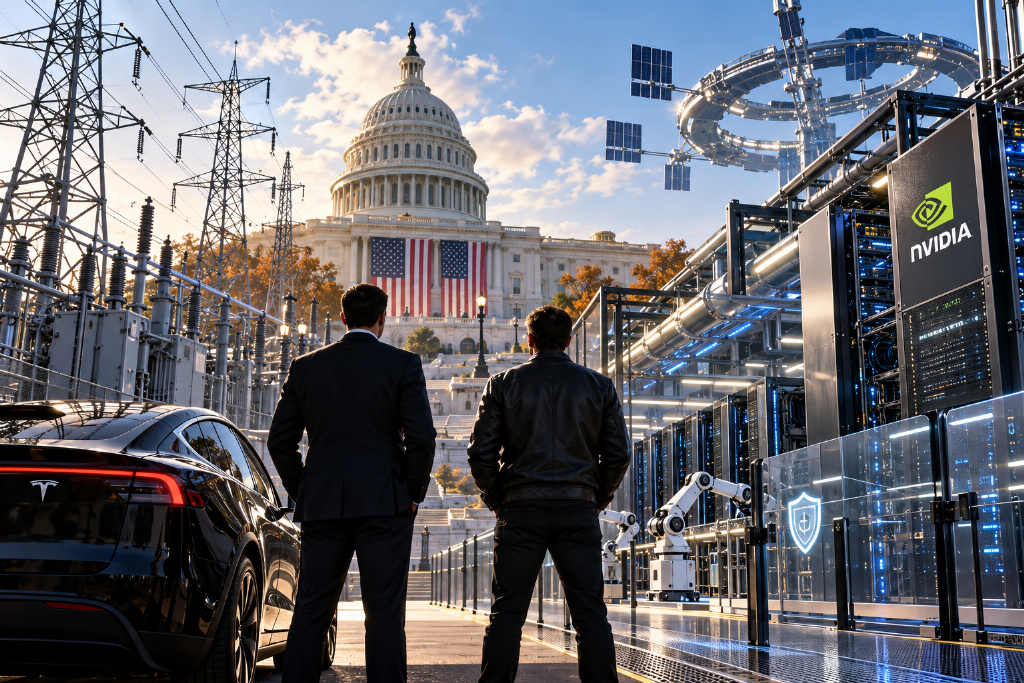
Policy Regula2026-09-30 21:00:57Jensen Huang and Elon Musk frame “superintelligence” around power, computing and safetyABMedia reported that U.S. President Donald Trump, through an executive order, set the policy direction for artificial intelligence around “Superintelligence,” or SI, and argued that the word “Artificial” should be removed as the industry moves beyond AI. At an America.gov event, Nvidia CEO Jensen Huang and Tesla founder Elon Musk discussed how that idea could translate into industrial practice, focusing on electricity supply, orbital computing, data center economics and controls for autonomous agents. According to the report, Musk linked power consumption directly to economic output, saying that every 1% increase in electricity use could create an opportunity for GDP to rise by 1% as well. He said the sector is looking at grid upgrades and market-driven energy development, including fusion, fission and advanced battery storage, to meet rising generative computing demand. He also described “Orbital Computing” as a way to send computing hardware into orbit with heavy-lift rockets and tap solar power in space. Huang, for his part, described the shift from traditional data centers to “superintelligence factories” that generate ongoing economic value. On safety, the report said Nvidia is using Open Shell sandboxing to isolate agents and restrict access, while Bluefield chips provide external real-time monitoring. ABMedia also said the industry has signed a joint statement with the White House covering internal controls and third-party audits.20
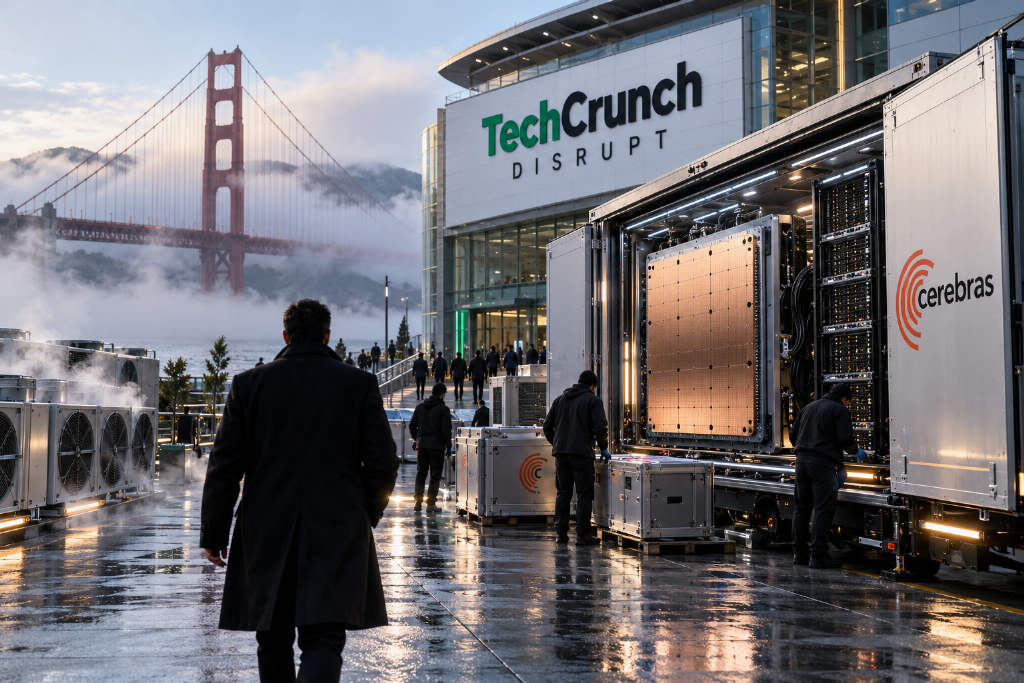
Cerebras Syst2026-09-30 14:51:23Cerebras CEO Andrew Feldman to speak at Disrupt 2026 on AI scalingTechub reported that Andrew Feldman, chief executive of AI chip company Cerebras Systems, is set to appear at TechCrunch Disrupt 2026 to discuss innovation in AI scaling. The event appearance centers on how Cerebras approaches scaling AI systems, a topic tied to broader shifts in data center planning and deployment. According to the brief, those scaling innovations could reshape data center strategy and carry implications for global technology investment as well as infrastructure development. The item did not disclose further details on Feldman’s session, timing within the conference, or the specific technologies expected to be covered. Still, the announcement places Cerebras and its AI scaling work on the agenda of one of the better-known technology conference stages in 2026.20
Federal Reser2026-09-30 09:06:39Fed Governor Lisa Cook Says AI and Data Center Spending Is Delaying Inflation’s Return to 2%Federal Reserve Governor Lisa Cook said spending tied to artificial intelligence and data centers is slowing the path of inflation back to the Fed’s 2% target. According to the brief statement cited by Techub News, Cook said the rapid rise in AI and data center investment is already affecting the broader economy. She added that this wave of spending could keep inflation at a higher level for longer. The remarks point to capital expenditure linked to AI infrastructure as one factor complicating the inflation outlook. No additional policy guidance, timeline, or market details were provided in the source item.190
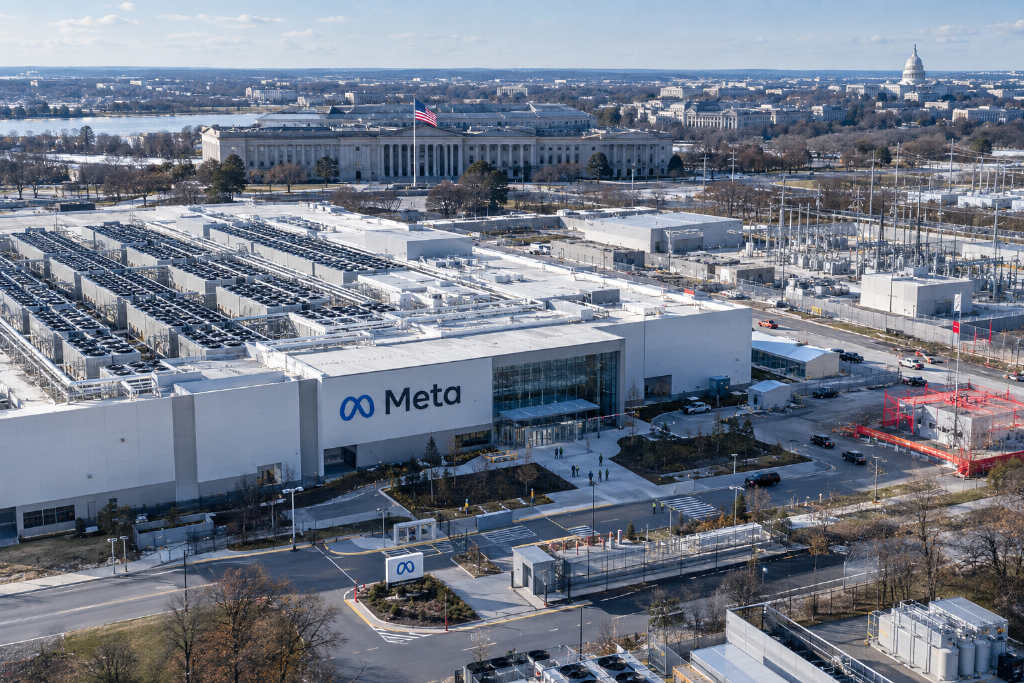
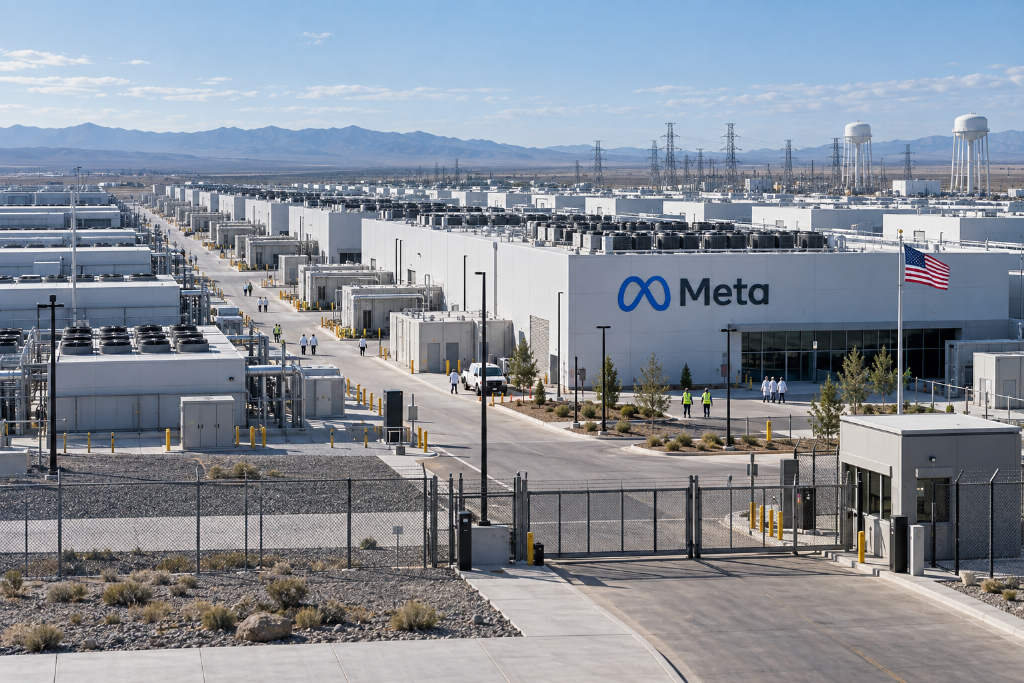
Meta2026-09-30 09:47:49NYT: Meta seeks billions in tax breaks for AI data centersMeta is using the U.S. research and experimentation tax credit to seek billions of dollars in tax breaks for its artificial intelligence data centers, according to The New York Times. The report says the same policy cut Meta’s tax bill by nearly $4 billion last year. It also says internal accountants warned that the approach carries legal risk. A partner at tax advisory firm BPM told the newspaper that classifying AI data centers as research and experimentation projects is "outside the norm." The report focuses on how Meta is applying an existing U.S. tax incentive to AI infrastructure and on the questions raised internally and by outside tax professionals about that classification.260
Meta2026-09-30 09:11:41New York Times says Meta classified data centers as experimental facilities to avoid federal taxesMeta Platforms (META.O) avoided billions of dollars in federal taxes by classifying its data centers as experimental facilities, according to The New York Times, as cited by Odaily. The brief item did not provide additional details on the tax treatment, the time frame involved, or which specific facilities were included. Odaily attributed the report to The New York Times, and the source note also referenced Jin10. No further explanation was included in the original newsflash. The report was listed under the technology category.180
Goldman Sachs2026-09-30 07:39:29Goldman Sachs says AI job drag has briefly reversed as data center construction offsets lossesGoldman Sachs’ latest AI adoption tracker points to a sharp change in the near-term employment picture in the United States. In a Sept. 1 report, economists Sarah Dong and Joseph Briggs said industries exposed to AI added roughly 4,000 jobs per month on average over the past three months, a result the bank described as a temporary reversal in the labor-market drag tied to AI. That contrasts with a separate estimate published in April by Goldman economist Elsie Peng, who calculated that AI was reducing U.S. employment by about 16,000 jobs a month on a net basis. In that earlier framework, AI substitution eliminated about 25,000 jobs per month over the prior year, while productivity gains and complementary hiring added back about 9,000, leaving a net loss. Goldman said the two figures should not be read as a single continuous trend because they come from different methods. The April number was based on a regression model, while the June and September updates used Bureau of Labor Statistics data to track actual employment changes in AI-exposed industries such as management consulting, graphic design, call centers and software publishing. The bank also said job losses in marketing, design, customer service and some tech roles are still visible, but have been offset by hiring tied to data center construction, where employment has risen by more than 200,000 since 2022.150
Bitdeer2026-09-30 03:10:30Bitdeer secures $200 million strategic investment to expand AI cloud and data center businessCrypto mining company Bitdeer said it has secured a $200 million strategic investment and plans to use the proceeds to expand its artificial intelligence cloud and data center business. According to the company’s announcement, the investors are a sovereign wealth fund and a global private equity firm, though their identities were not disclosed. Bitdeer was founded by Bitmain co-founder Jihan Wu and operates as a one-stop provider of Bitcoin mining solutions. The company said the new capital is expected to speed up its push into AI infrastructure, adding a new growth focus alongside its mining-related operations. The announcement did not provide further details on the investors or the structure of the transaction.230
Kalshi2026-09-29 23:33:45Kalshi says U.S. data center power demand could double by 2029Prediction market platform Kalshi said U.S. data center electricity demand is expected to double by 2029, pointing to a sharp rise in energy use tied to expanding digital infrastructure. The post links the increase to rapid buildout across AI and the broader technology sector, where data centers have become a core part of new computing capacity. The projection highlights how fast infrastructure growth is feeding into power demand, with electricity use emerging as a key constraint and metric for the next phase of industry expansion. Kalshi shared the view in a post cited by Techub News.120