How Hefei Built a 20-Year Industrial Investment Playbook From BOE to CXMT
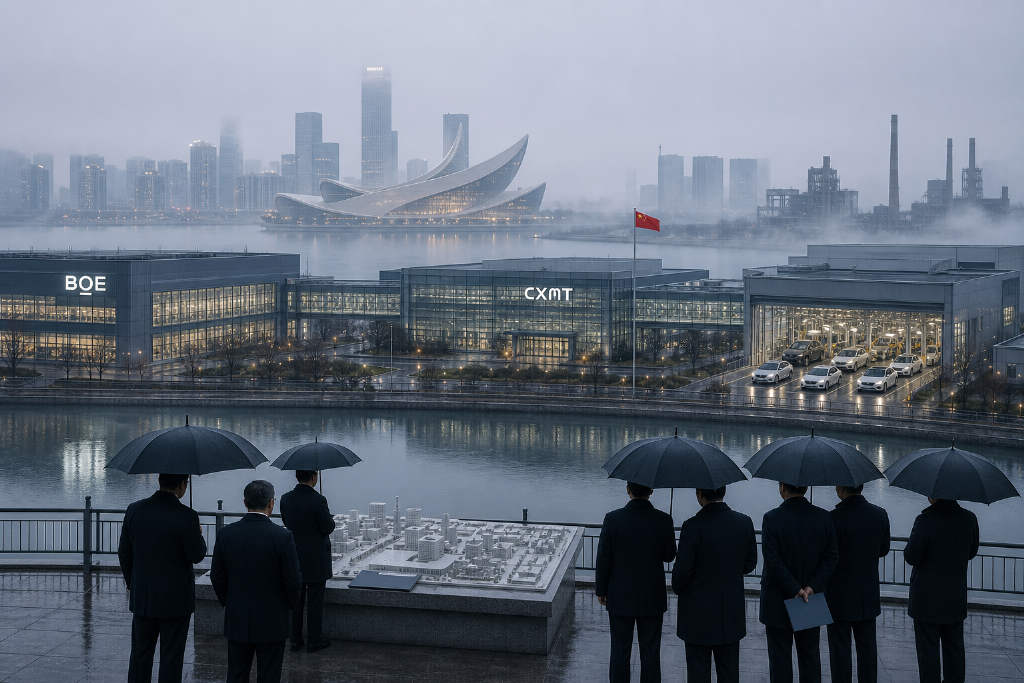
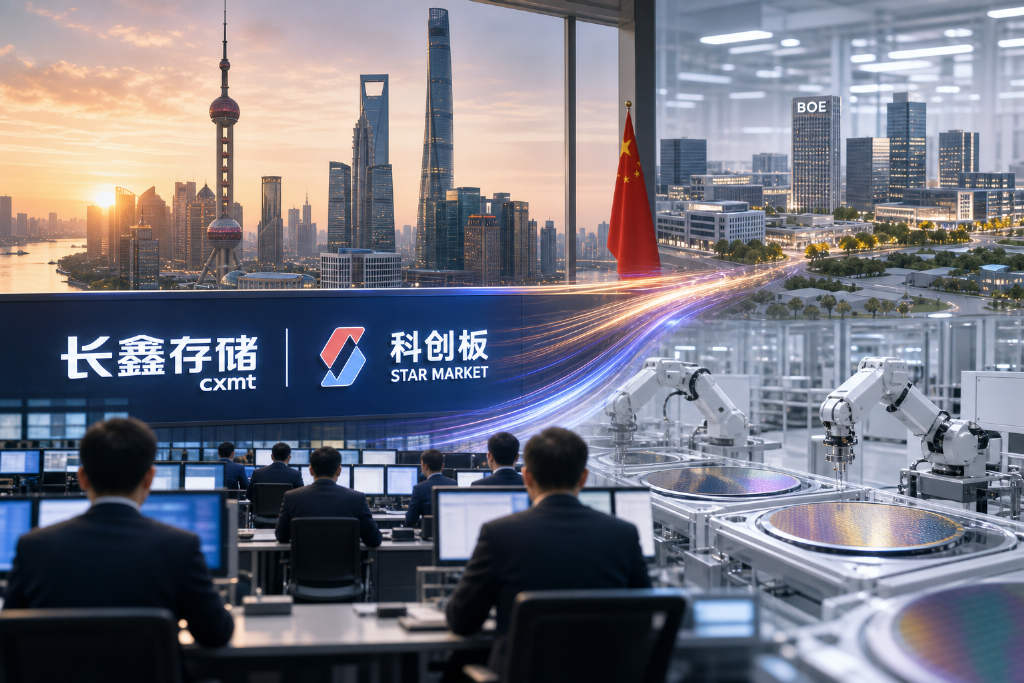
The listing of ChangXin Technology has pushed Hefei’s long-running industrial investment strategy back into focus. In the original MarsBit article, the city’s state-owned capital system is estimated to hold about 33.1% of the company under a neutral scenario that values ChangXin at RMB 2 trillion, implying a stake worth more than RMB 660 billion. That figure is presented as nearly half of Hefei’s projected 2025 GDP of RMB 1.4 trillion. The piece traces Hefei’s investment record across three major sectors: display panels, semiconductors, and new energy vehicles. It recounts how the city backed BOE during the 2008 financial crisis with RMB 17.5 billion for mainland China’s first TFT-LCD Gen 6 line, later exiting with roughly RMB 14 billion in net profit. It then turns to ChangXin, which the article says became the city’s highest-return investment after years of losses and heavy capital support, and to NIO, which signed with Hefei state capital and strategic investors in April 2020 before the city expanded its automotive base with BYD and Volkswagen Anhui. The article does not present Hefei’s record as a streak of perfect calls. It also lists failed projects, including Xinhao Plasma, LDK Solar, Rongsheng Heavy Industries, and WM Motor. Its central argument is that Hefei’s edge came not from luck alone, but from a full-cycle industrial investment approach spanning fundraising, deployment, post-investment management, exits, and unusually high tolerance for failure.