BVI

Tokenized Sto
2026-09-05 15:13:15

AMC Token Dispute Expands Into a Broader Fight Over Which Tokenized Stock Structure Should Prevail

A public clash between AMC Entertainment CEO Adam Aron and Robinhood over tokenized AMC shares has widened into a much larger industry debate over how tokenized stocks should be built. At the center of the dispute are three competing structures: Robinhood’s offshore debt-style stock tokens that give users economic exposure but no claim on the referenced issuer; custodial 1:1 models used by firms such as Ondo, xStocks and Dinari, where regulated intermediaries hold the underlying shares; and issuer-native designs from Securitize and Superstate, where a company’s own registered shares are recorded onchain. The SEC’s Division of Corporation Finance outlined these categories in a Jan. 28 statement, and the choice of structure affects both the securities rules that apply and what investors may be able to claim if an intermediary fails. The argument intensified Friday as Dinari co-founder Gabriel Otte criticized synthetic products, Uniswap founder Hayden Adams defended programmability and 24/7 access, and Securitize CEO Carlos Domingo backed issuer-controlled tokenization. The fight is unfolding as tokenized stocks reach $2.91 billion across 2.67 million holders, according to rwa.xyz, with Ondo leading the sector and Robinhood gaining trading traction through activity on Robinhood Chain. Lawyers, transfer agents and market structure participants have also entered the discussion, turning what began as an AMC controversy into a live test of investor rights, execution quality, supply mechanics and regulatory design for onchain equities.

20
AMC Token Dispute Expands Into a Broader Fight Over Which Tokenized Stock Structure Should Prevail
Stock-Linked
2026-09-04 13:59:10

Robinhood’s Stock-Crypto Meme Trade Turns NVDA Into the New Pairing Behind Dog Coins

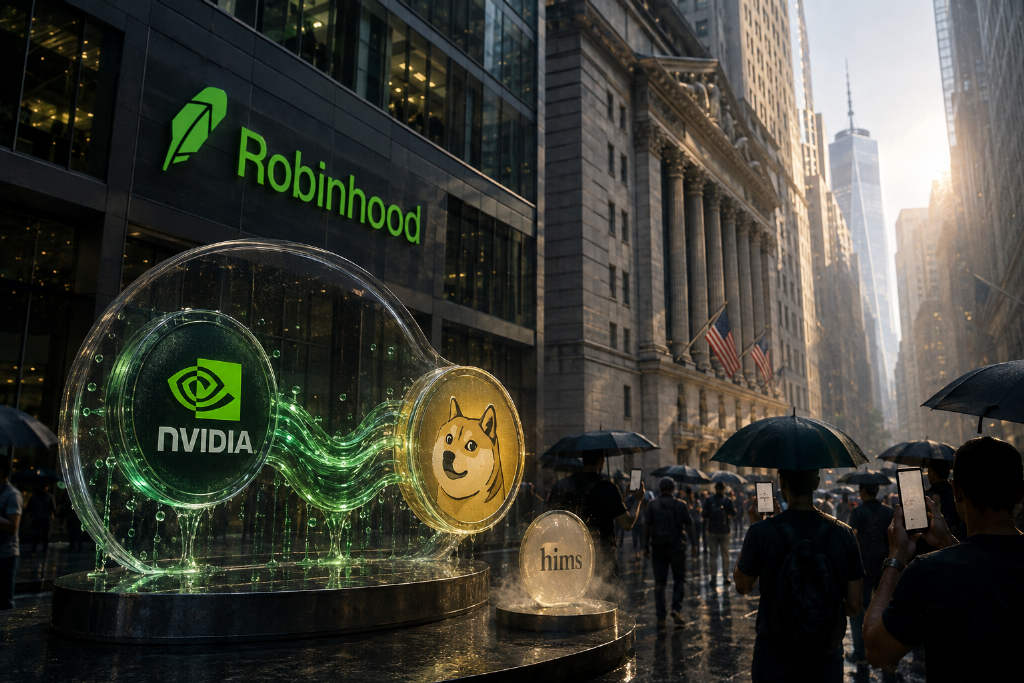
On Robinhood’s chain, a new trade has taken hold: meme coins paired directly with tokenized stocks. Artificial Inu, paired with tokenized NVDA, rose from a $1.5 million market cap on Aug. 1 to $135 million on Aug. 30 and briefly above $320 million in early September. Pons has issued about 389,000 tokens and collected $46.27 million in fees. The article also shows how HIMS token pricing snapped back once the New York market opened, underscoring that chain-based trading still depends on Wall Street hours. The piece argues that the model has created real trading depth for tokenized equities, but it also highlights limited liquidity, weekend gaps, robot-driven volume and regulatory limits. Robinhood has blocked tokenized stock access for residents of the U.S., Canada, the U.K., Switzerland and the UAE.

90
Robinhood’s Stock-Crypto Meme Trade Turns NVDA Into the New Pairing Behind Dog Coins
DWF Labs
2026-09-04 13:29:07

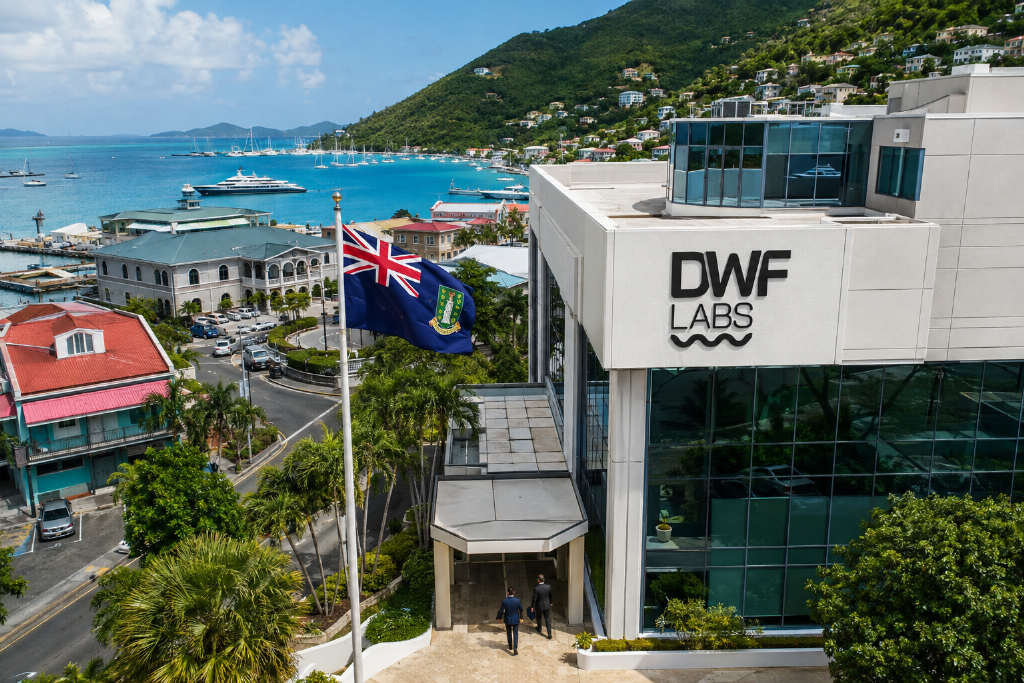
DWF Labs Secures BVI VASP License for Virtual Asset Services

On September 3, DWF Labs announced that it received a Virtual Asset Service Provider (VASP) license from the British Virgin Islands Financial Services Commission, enabling it to offer virtual asset exchange and issuance services. The license, granted under the BVI Virtual Asset Service Provider Act, allows institutional clients to access the firm's regulated entity for over-the-counter trading and market-making. The BVI currently holds nearly 10% of the global tokenized U.S. Treasury market, with over $1.2 billion in stablecoins in circulation. The company stated it will continue to expand regulatory approvals in key markets to support its international growth strategy. This was reported by Decrypt.

40
DWF Labs Secures BVI VASP License for Virtual Asset Services
DWF Labs
2026-09-03 11:04:46

DWF Labs Obtains VASP Approval from BVI FSC

Market maker and investment firm DWF Labs announced that its group entity has received a Virtual Asset Service Provider (VASP) regulatory approval from the British Virgin Islands Financial Services Commission (BVI FSC).

90
DWF Labs Obtains VASP Approval from BVI FSC
whale wallet
2026-09-02 10:25:17

Whale address VBVIT builds large short positions in BTC, ETH and Nasdaq-linked XYZ100

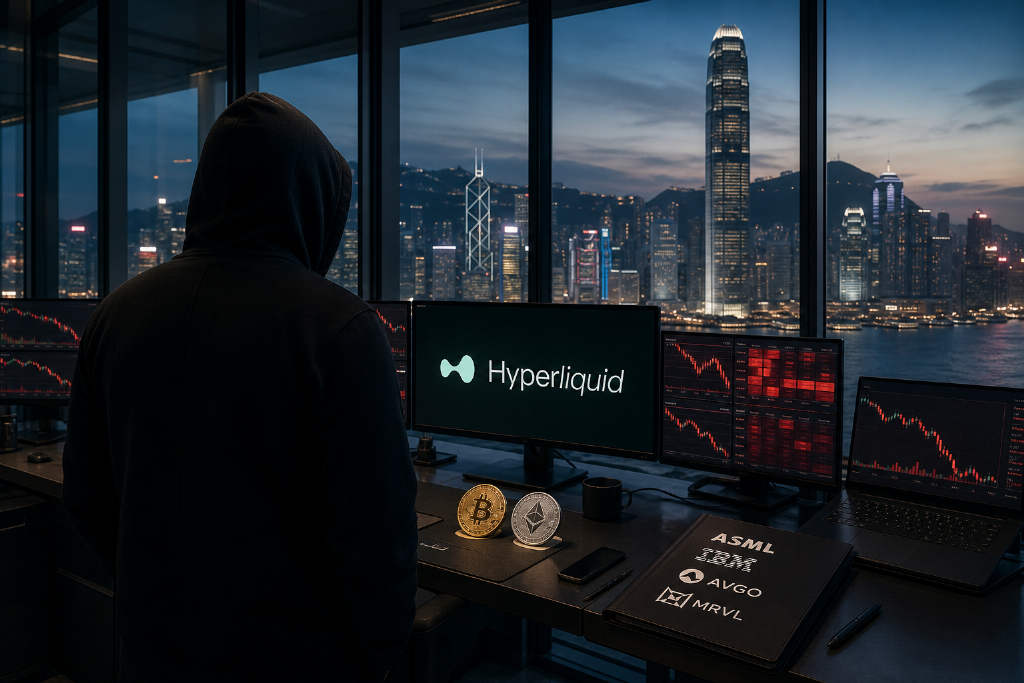
TradingBeats data shows that whale address VBVIT has recently built sizable short positions in Bitcoin, Ether and XYZ100, a Nasdaq 100-related instrument. As of 17:41 Hong Kong time on Sept. 2, the address held roughly $107.5 million across the three shorts, with combined unrealized profit at about $2.4535 million. By current short-position rankings on TradingBeats, VBVIT stands as the third-largest BTC short, the eighth-largest ETH short and the second-largest XYZ100 short. The BTC leg totals about 839.45 BTC, worth around $64.3196 million, using 10x leverage with an average entry price of about $78,146.8 and unrealized profit of about $1.2809 million. The ETH short covers about 11,851.47 ETH worth around $28.1247 million at 20x leverage, with an average entry of about $2,451.97 and unrealized profit of about $934,800. The address also holds about 522.16 xyz:XYZ100 short contracts worth around $15.0916 million at 20x leverage, showing about $237,800 in unrealized profit. Overall, the address has 86 open positions, 60 of them shorts, with total short exposure of about $137 million and overall unrealized profit of about $2.6218 million. It is also the largest short on Hyperliquid for 14 U.S. stock or ETF names, including ASML, IBM, AVGO and MRVL.

110
Whale address VBVIT builds large short positions in BTC, ETH and Nasdaq-linked XYZ100
ChainFeeds
2026-09-01 01:58:12

ChainFeeds research roundup tracks Bitcoin’s 50-week test, Robinhood Chain meme activity, and Uniswap’s UNI burn tailwind

ChainFeeds’ Sept. 1 research roundup pulled together five separate themes shaping the crypto market: a historical Bitcoin signal tied to the 50-week moving average, the rise of social trading as an onchain product category, Uniswap’s growing role on Robinhood Chain, IOSG’s view of Reg CA as a compliance filter rather than a fresh token boom trigger, and the feedback loop powering Robinhood Chain’s meme economy. The report argues that Bitcoin is approaching a level that ended three prior bear markets, though confirmation still depends on a weekly close above and sustained support at the 50-week average. It also highlights how social trading apps are turning transparent portfolios and copy-trading behavior into products that look more like financial social networks. On Robinhood Chain, tokenized stock activity has lifted Uniswap volumes and protocol revenue, while UNI’s Firepit and TokenJar design has translated trading into token burn. A separate section says Pons has tied meme issuance directly to buybacks and burns of its platform token, creating a structure the report contrasts with earlier meme cycles. IOSG, meanwhile, says Reg CA is better read as an administrative path for existing tokens to clear securities status than as a broad green light for issuance.

190
ChainFeeds research roundup tracks Bitcoin’s 50-week test, Robinhood Chain meme activity, and Uniswap’s UNI burn tailwind
Robinhood Cha
2026-08-31 17:34:35

BONER Locks Up More Than Half of Robinhood Chain’s Tokenized HIMS Float

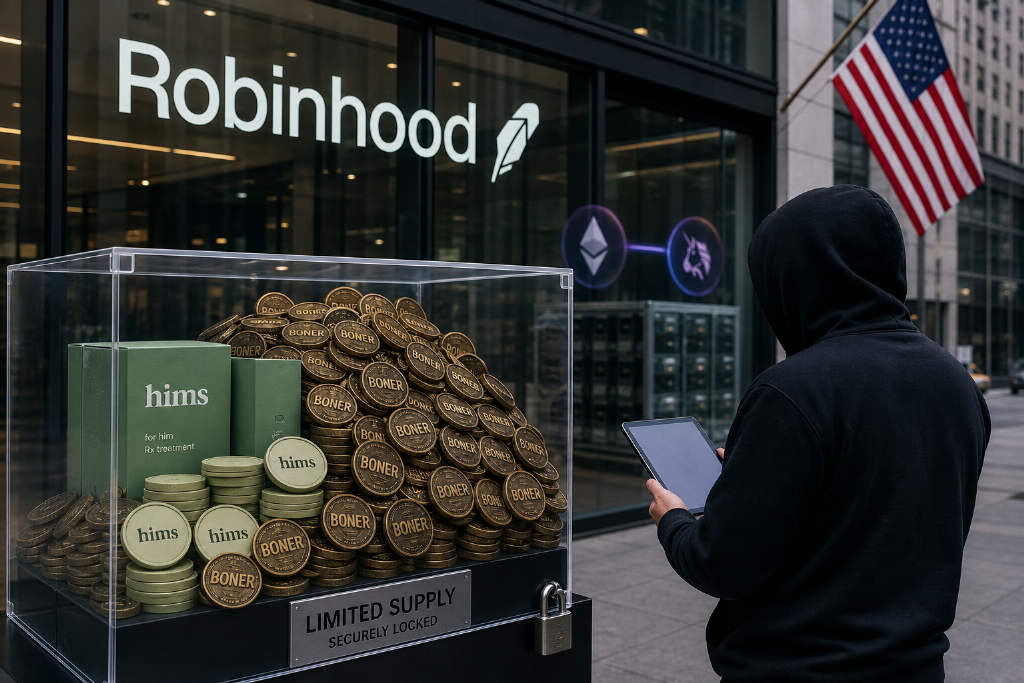
A memecoin tied to the short-interest narrative around Hims & Hers Health has pulled more than half of Robinhood Chain’s tokenized HIMS supply into its own liquidity pool, creating a weekend price dislocation that briefly sent the wrapper to $132.64 while the underlying stock was far lower. Data cited by The Defiant shows BONER’s main BONER/HIMS pool alone held 31,198 HIMS tokens as of Monday, equal to 53% of all issued tokenized shares on the chain, while 83% of total supply sat inside Uniswap v4’s pool manager contract. Because only BBVI, the sole authorized participant named in Robinhood’s documentation, can mint or burn these stock tokens, ordinary traders had no way to expand supply during the squeeze in onchain liquidity. The article argues that a thin float, memecoin launchpads that use stock tokens as quote assets, and weekend market closure combined to let relatively small orders move the wrapper far away from the real equity. Once the NYSE reopened and new HIMS tokens were minted into the premium on Monday, the gap narrowed back toward spot equity pricing. The episode also highlights how Robinhood Chain’s real-world asset pitch is colliding with memecoin speculation, with stock-linked meme pairs now accounting for some of the chain’s most active pools.

880
BONER Locks Up More Than Half of Robinhood Chain’s Tokenized HIMS Float
SEC
2026-08-31 14:44:58

SEC’s proposed Reg CA may ease token issuance, but IOSG says its real impact is on legacy tokens seeking to shed securities status

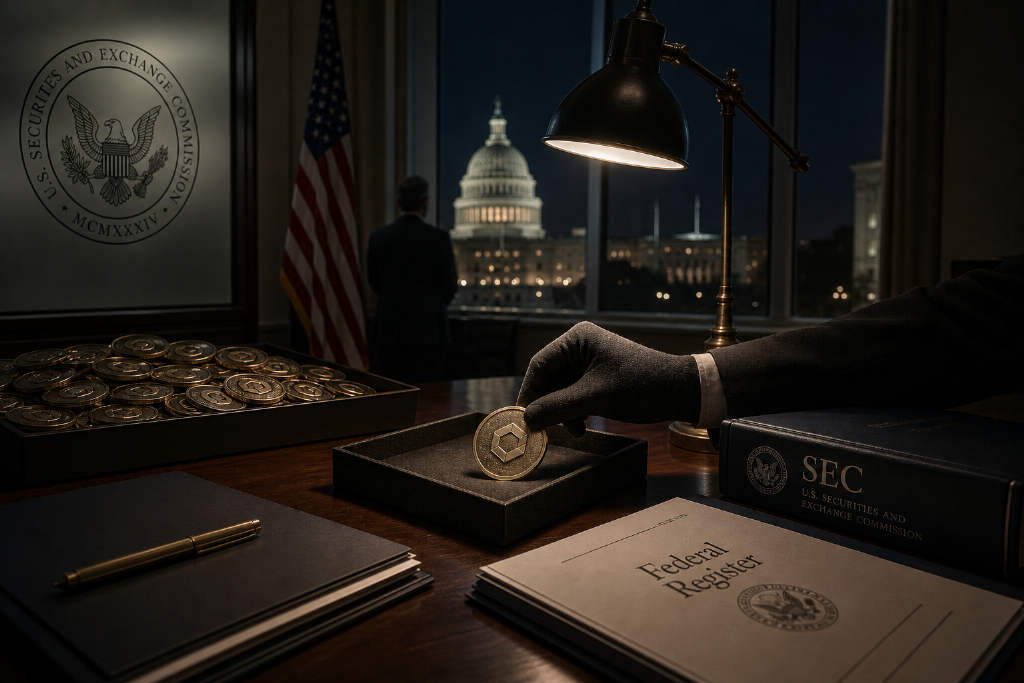
An IOSG analysis argues that the U.S. Securities and Exchange Commission’s proposed Regulation Crypto Assets, or Reg CA, should not be read as the trigger for an “ICO 2.0” cycle. The proposal, released by the SEC on Aug. 18 and published in the Federal Register on Aug. 21, remains in the public comment stage through Oct. 20. In IOSG’s view, the rule’s biggest effect would be on the large pool of existing tokens whose legal status has never been formally resolved, rather than on new issuance. The analysis points to the structure of the proposal itself. Rule 200 would allow small token offerings to proceed after filing a Form NOR, but only up to a cumulative $5 million over four years, with one-time use and a broad definition of covered transactions that can include airdrops and network incentives. Rule 300 offers larger fundraising channels at up to $20 million or $75 million per 12 months, but only for issuers that meet demanding U.S. entity, management, asset, and operational tests. IOSG says those limits are too narrow to support a broad reopening of the primary token market. By contrast, Rule 400 creates a path for a token to stop being treated as a security once the issuer completes or permanently halts all promised core managerial efforts and files a Form TR. IOSG argues that this “graduation” mechanism is the center of gravity in Reg CA. The paper also notes that Rule 500, which would preempt parts of state blue-sky law for covered transactions, is both one of the proposal’s most consequential features and one of the sections most vulnerable to pushback before any final rule arrives, likely no earlier than 2027.

160
SEC’s proposed Reg CA may ease token issuance, but IOSG says its real impact is on legacy tokens seeking to shed securities status