China stocks
Oct 27, 2026

China stocks lose $2.4 trillion since May as AI names account for 42% of market value

Chinese mainland equities have shed about $2.4 trillion in market value since May, according to a Techub report, as investor confidence in the profit outlook for the AI boom has weakened. Goldman Sachs data cited in the report shows AI companies now make up 42% of the total market capitalization of listed firms in mainland China and Hong Kong, while accounting for 57% of trading volume. The report also highlighted a sharp decline in Shanghai’s STAR 50 Index, which has fallen 40% in less than four months, wiping out about $480 billion in market value. The index is largely made up of major technology and chip companies, and its constituents are still trading at roughly 100 times earnings. Separately, the report said the U.S. Federal Communications Commission banned imports of new foreign-made humanoid robots in July on national security grounds. Washington is also planning to bar U.S. data centers from using Chinese-made optical components.

500
China stocks lose $2.4 trillion since May as AI names account for 42% of market value
Intel
Oct 19, 2026

Intel seeks FCC exemption from foreign advanced robotics ban

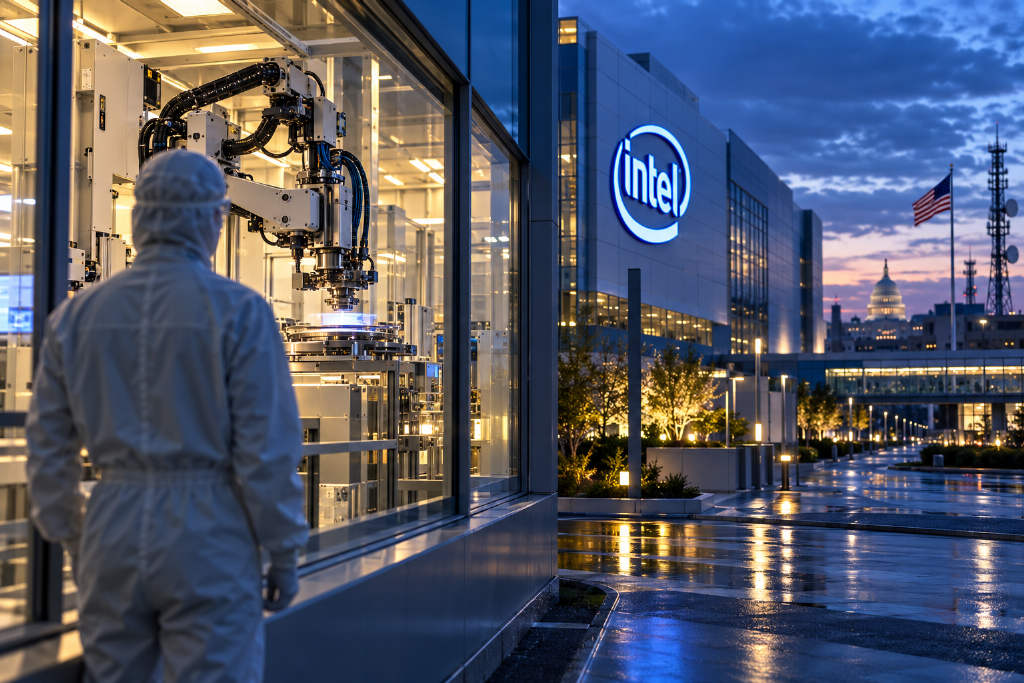
Intel has asked the U.S. Federal Communications Commission for an exemption from a recent rule barring foreign-made advanced robots, according to a Bloomberg report cited by Techub. The company said it needs continued access to certain "niche" equipment and argued that those tools are critical to semiconductor manufacturing in the United States. The request centers on maintaining availability of specialized devices rather than a broader policy change, based on the information provided. No additional details on the scope of the exemption, the specific equipment involved, or the timing of any FCC decision were disclosed in the source material. The report was published by Techub as a brief item and attributed to Bloomberg.

550
Intel seeks FCC exemption from foreign advanced robotics ban
SpaceX
Oct 9, 2026

SpaceX strikes deal for nationwide low-band spectrum licenses in the U.S.

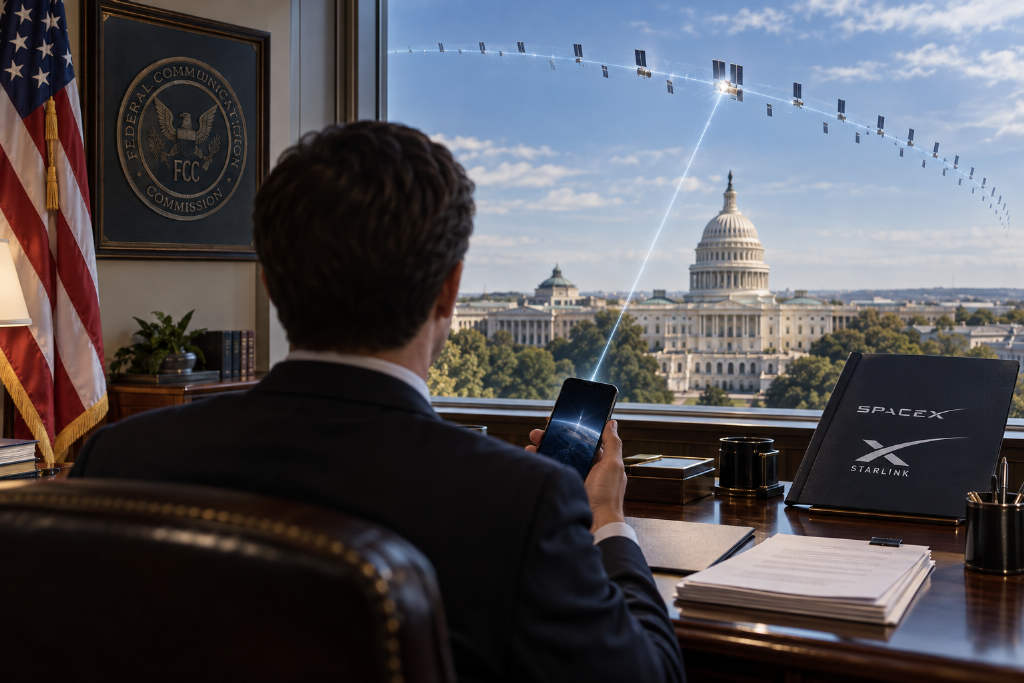
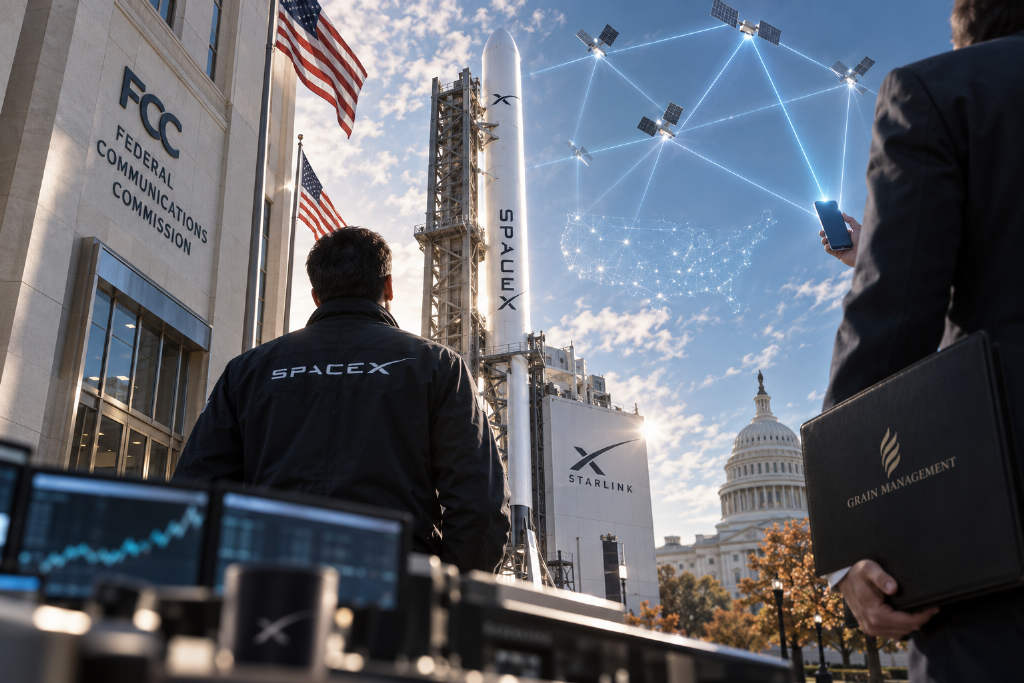
SpaceX said Thursday it has reached an agreement to acquire a nationwide portfolio of low-band spectrum licenses, a move that would strengthen its push into direct wireless competition across the United States. The company said Starlink Mobile’s existing global 2 GHz mid-band spectrum offers high-bandwidth capacity, while the newly targeted low-band assets would improve signal penetration through obstacles. The transaction covers the acquisition of 100% of the equity in a nationwide 800 MHz spectrum portfolio held by private equity firm Grain Management. The deal still requires approval from the U.S. Federal Communications Commission, or FCC. Separately, the FCC this week approved Starlink Mobile’s second-generation satellite constellation application, authorizing SpaceX to launch 15,000 satellites worldwide optimized for the 2 GHz band. Taken together, the spectrum purchase and the regulatory approval add to SpaceX’s effort to deliver cellular connectivity directly from orbit to smartphones, bypassing traditional wireless infrastructure.

680
SpaceX strikes deal for nationwide low-band spectrum licenses in the U.S.
SpaceX
Oct 8, 2026

SpaceX wins FCC approval for 15,000 second-generation Starlink satellites

SpaceX has received approval from the U.S. Federal Communications Commission, or FCC, to move ahead with plans to launch 15,000 second-generation Starlink satellites, according to ChainCatcher. The approval covers a global 2GHz spectrum plan tied to the Starlink Gen2 network. The source material does not provide additional details on the launch schedule, deployment timeline, or technical rollout beyond the FCC approval and the number of satellites involved. It also does not specify whether the authorization is tied to a phased deployment or a single filing. Based on the information provided, the key facts are limited to three points: the regulator is the FCC, the company is SpaceX, and the approved plan involves 15,000 second-generation Starlink satellites for global 2GHz spectrum use.

770
SpaceX wins FCC approval for 15,000 second-generation Starlink satellites
SpaceX
Oct 8, 2026

FCC approves up to 15,000 SpaceX satellites for Starlink mobile direct-to-phone service

The U.S. Federal Communications Commission has approved SpaceX to launch as many as 15,000 satellites to support its direct-to-phone Starlink Mobile service, according to Techub News, citing @Kalshi. The approval clears the way for SpaceX to expand its satellite internet constellation and provide direct satellite connectivity for smartphones. The update centers on regulatory clearance from the FCC and the scale of the planned deployment. No additional technical details, rollout timeline, or service markets were disclosed in the source item. The report frames the decision as a step tied specifically to Starlink Mobile, SpaceX’s direct-to-cell offering for mobile devices.

860
FCC approves up to 15,000 SpaceX satellites for Starlink mobile direct-to-phone service
SpaceX
Oct 9, 2026

SpaceX spectrum deal plan lifts SPCX trading as daily volume tops $205 million

SpaceX is planning to acquire all rights to a nationwide 800MHz low-band spectrum portfolio held by Grain Management, covering as much as 14MHz of paired spectrum. The seller published the announcement at 04:17 Beijing time on Oct. 9, and the deal still requires approval from the U.S. Federal Communications Commission, or FCC. According to the disclosure, the transaction is aimed at improving Starlink Mobile coverage as SpaceX combines its direct-to-cell satellite constellation with terrestrial networks and pushes deeper into the U.S. mobile carrier market. The news was followed by a pickup in SPCX trading. TradingBeats data showed that, using the 04:17 announcement as the reference point, the traded price of the SPCX perpetual contract on Hyperliquid rose from $160.89 to $164.54 over the next four hours, a gain of about 2.27%. First-hour turnover reached roughly $23.57 million, up about 174.8% from $8.58 million in the hour before the announcement. As of publication, SPCX was trading near $165.54. Combined with the disclosed impact of Trump buying SpaceX senior unsecured notes, 24-hour volume climbed past $205 million, while open interest reached $124 million.

730
SpaceX spectrum deal plan lifts SPCX trading as daily volume tops $205 million
SpaceX
Oct 9, 2026

SpaceX says Starlink Mobile will be built into a major U.S. wireless carrier

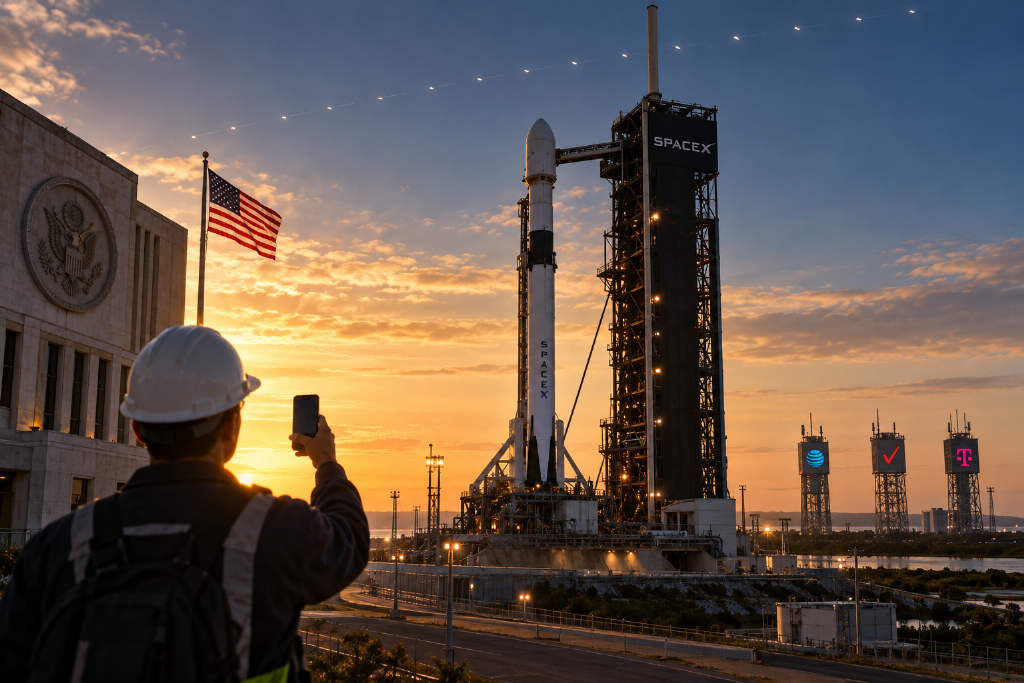
SpaceX said it plans to develop Starlink Mobile into a major wireless carrier in the United States, putting it in direct competition with AT&T, Verizon, and T-Mobile. The update points to a broader push around Starlink’s direct-to-cell strategy, which is aimed at mobile connectivity rather than only traditional satellite internet access. Earlier, the company received approval from the Federal Communications Commission, or FCC, to launch 15,000 satellites for Starlink’s mobile service designed to connect directly with phones. The item was cited by Techub News and attributed to @Kalshi. No additional rollout timeline, commercial launch schedule, or service details were provided in the source text.

710
SpaceX says Starlink Mobile will be built into a major U.S. wireless carrier
SpaceX
Oct 9, 2026

SpaceX moves to buy low-band spectrum for Starlink mobile push as telecom stocks fall

SpaceX said it plans to acquire low-band spectrum licenses from investment firm Grain Management, a move aimed at turning Starlink into a major mobile communications provider in the United States. Elon Musk described the spectrum as the final key resource needed for full nationwide cellphone network coverage. If approved by the Federal Communications Commission, the company intends to combine its satellite-to-cell service with terrestrial networks. The deal centers on the 800 MHz band, which can penetrate buildings and support indoor connectivity, while also remaining compatible with most existing mobile devices. Financial terms were not disclosed. Investors quickly focused on the competitive implications for incumbent carriers. In after-hours trading, AT&T fell 7.3%, while T-Mobile and Verizon each dropped 6.6%. SpaceX, by contrast, rose 1.5% in after-hours trading. The announcement points to a broader strategy in which a satellite operator uses terrestrial spectrum to expand beyond satellite connectivity and into mainstream mobile service.

1250
SpaceX moves to buy low-band spectrum for Starlink mobile push as telecom stocks fall
Total 26 items
Go topage