Crypto Projects Target a Narrow Gap in Robotics: Identity, Wallets and Micropayments
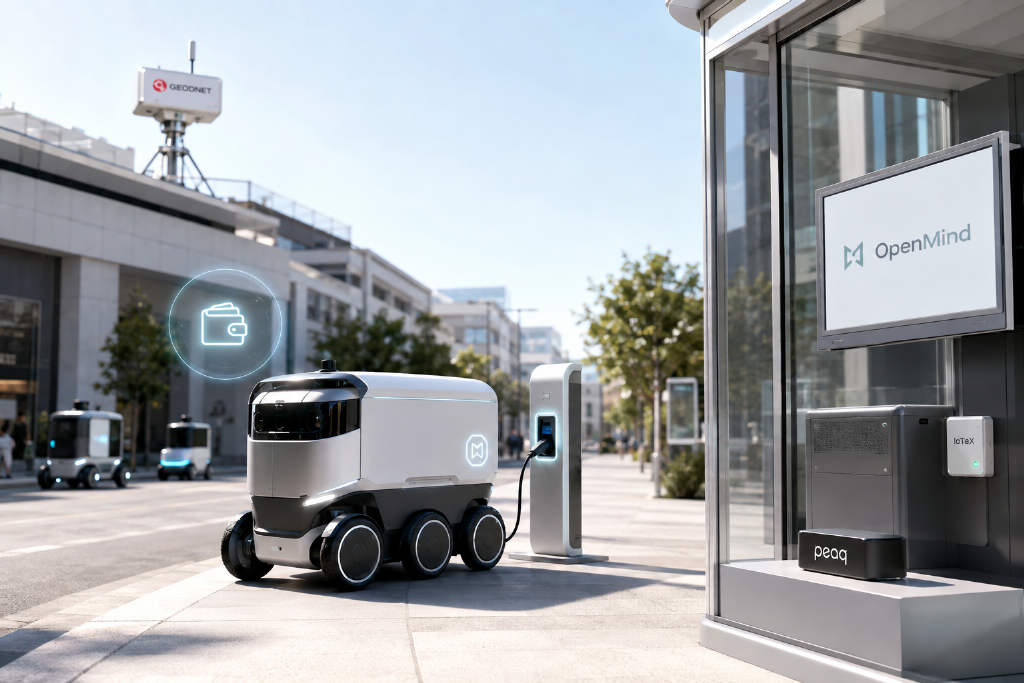
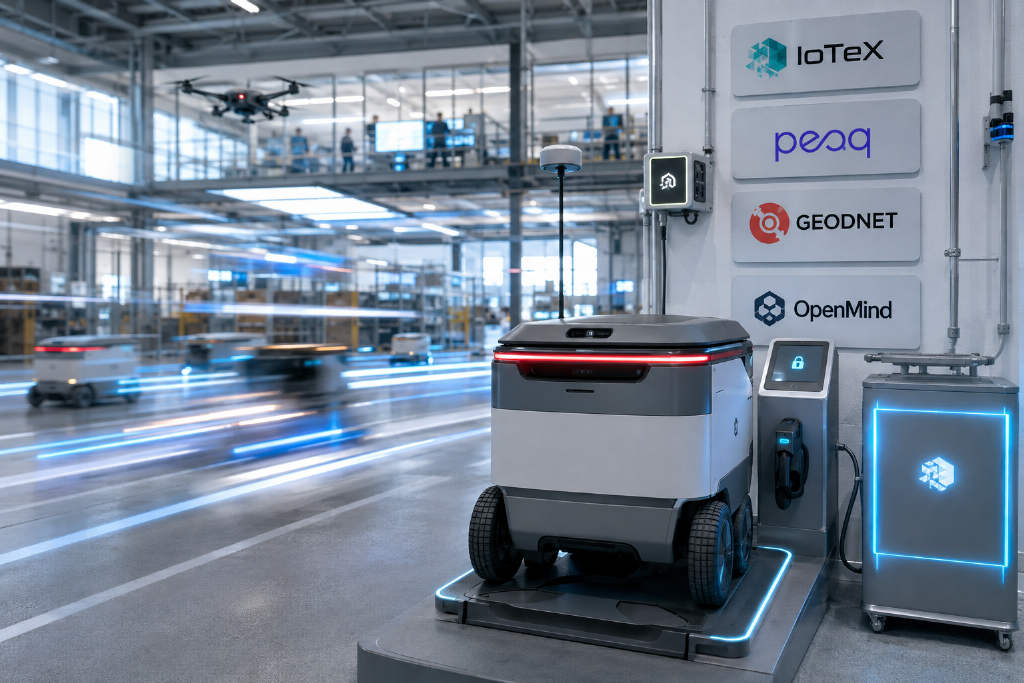
A growing group of crypto companies is trying to solve a practical problem in robotics rather than selling a vague future vision: how machines can pay for small real-world services and prove who they are when dealing with unfamiliar counterparties. The thesis starts with a simple mismatch. Traditional payment rails were built for relatively infrequent, higher-value transfers, while robots may need to pay a few cents at a time for charging, connectivity, location data or compute. In that setting, fixed card fees and wire costs quickly become uneconomic. The article traces how several projects are approaching different parts of that stack. GEODNET uses token incentives to build RTK positioning infrastructure. OpenMind is developing a common operating layer and testing gas-free USDC micropayments. IoTeX focuses on hardware identity and proof of real-world actions. peaq is building a broader machine registry, credit framework and settlement layer, while also experimenting with tokenized machine revenue through Initial Machine Offerings. At the same time, the report draws a clear boundary around the market. Most robots do not need autonomous payment or onchain identity because they already operate inside closed systems run by large companies such as Amazon, Tesla or other platform operators. That leaves crypto serving a smaller segment: open, cross-operator and non-closed-loop machine networks.