Qatar LNG Hub Attack Sparks Energy Crisis, Crypto Market in Turmoil
Missile strike on world's largest LNG terminal in Qatar sends Brent crude above $112, crypto market cap drops 4.3%. Bitcoin tests $70K support after $139M in liquidations.

Missile strike on world's largest LNG terminal in Qatar sends Brent crude above $112, crypto market cap drops 4.3%. Bitcoin tests $70K support after $139M in liquidations.

Iran rejected a U.S.-brokered 15-point ceasefire proposal, sending Brent crude above $108, lifting energy prices, and pressuring major U.S. stock indexes as disruption around the Strait of Hormuz continued.

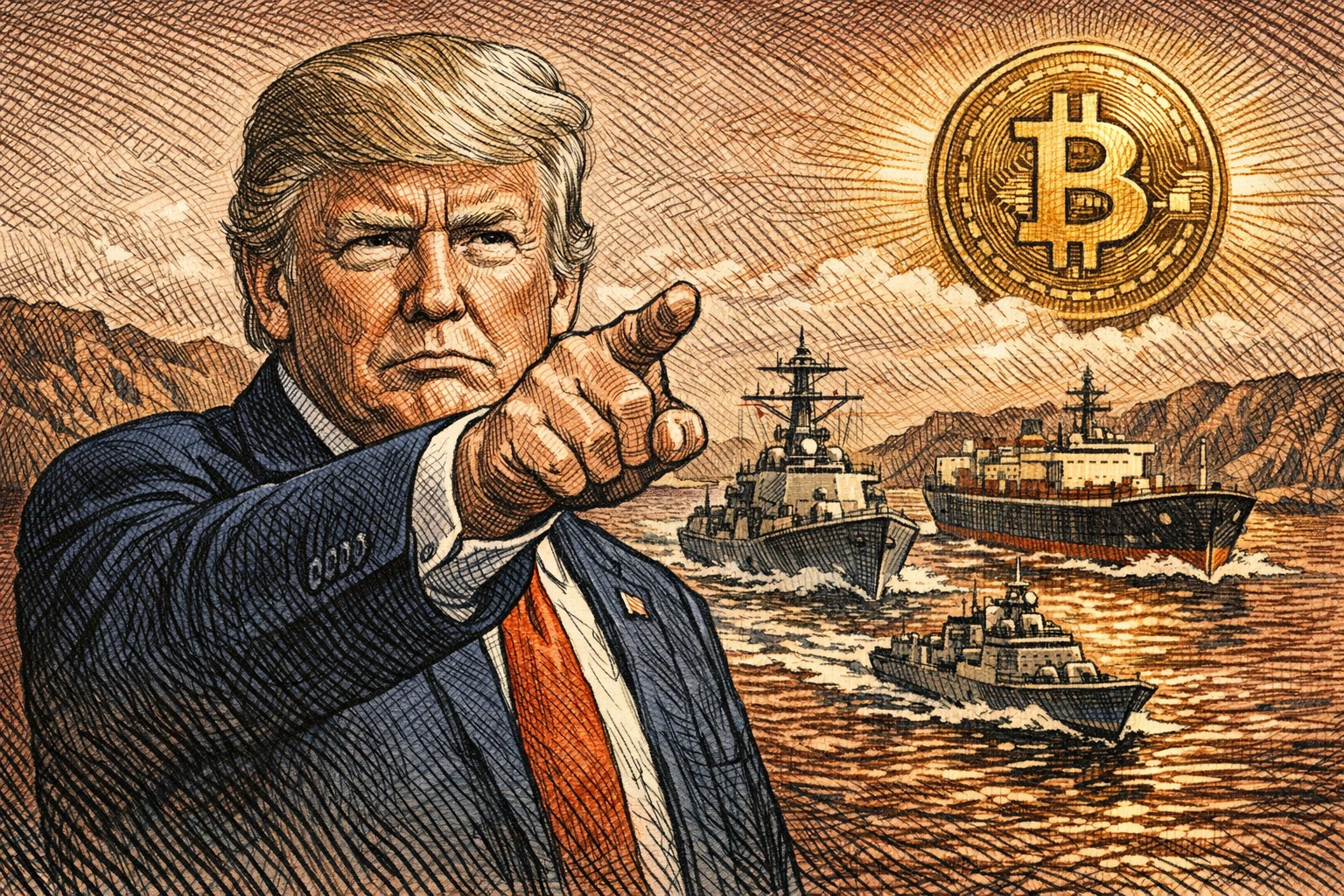
Trump said the DFC will offer political risk insurance and financial guarantees for Gulf shipping, with U.S. naval escorts for tankers if needed. Oil spiked and then pulled back, while Bitcoin rose above $71,000.

Iran's top foreign affairs advisor warns of blocking the Bab el-Mandeb Strait, cutting off 12% of global oil transport; Trump's 48-hour deadline looms, dual strait standoff drives oil to $109, Polymarket puts odds of US invasion at 99%.

Galaxy Digital has laid out a broad framework for what it calls the “inference capital markets,” arguing that AI inference is moving from a purely technical service into an asset class that can be priced, hedged, financed and traded. In a research report written by Galaxy Digital Vice President of Research Lucas Tcheyan and circulated in Chinese by TechFlow, the firm links several parallel developments into one market structure: the rise of GPU price indexes, planned GPU futures from Intercontinental Exchange and CME Group, tokenized claims on future AI inference, useful proof-of-work networks that subsidize inference production, and stablecoin-funded lending against GPU hardware. The report’s central claim is that inference has now overtaken training as the main driver of global GPU demand, while autonomous agents are emerging as a new class of machine-native buyers that can pay for model output programmatically. Galaxy argues that the market is still early and fragmented. It sees progress on the off-chain side, where Ornn, Silicon Data and Compute Desk are building reference pricing for compute, and where Kalshi, ICE and CME are already moving toward tradable GPU-linked products. On-chain, the report highlights Venice’s VVV and DIEM system for tokenized inference access, Pearl and Ambient’s different attempts to turn inference production into useful proof-of-work, and USD.AI’s stablecoin-based credit model for financing AI hardware. Even so, the report says the sector has not yet solved its hardest questions: whether real demand for verifiable, censorship-resistant inference will grow beyond a niche, how token value can be tied to actual product usage instead of emissions and speculation, and whether legal enforcement and collateral recovery in GPU-backed lending can hold up in a true stress cycle.

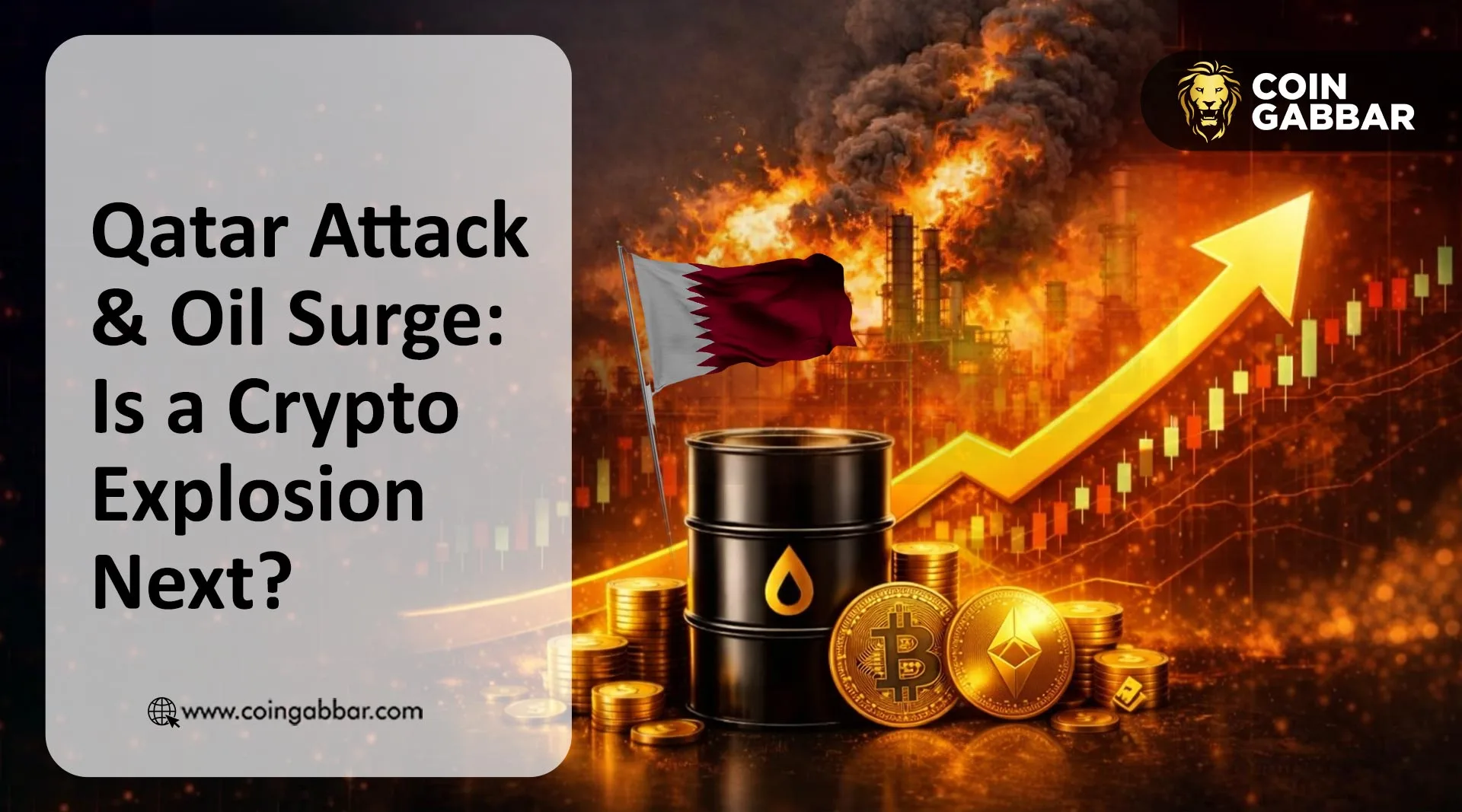
Vessel traffic through the Strait of Hormuz fell sharply this week after fighting between the U.S. and Iran resumed, according to BlockBeats, citing Kpler data. On Thursday, the number of vessels transiting the waterway dropped to 22 from 30 a day earlier. The latest escalation followed an Iranian strike targeting ships in the strait on Tuesday local time, including damage to a Qatari LNG carrier. Since the two sides resumed attacks on each other on Tuesday, only two LNG vessels have entered the strait and one has exited. Transit volumes had previously recovered after the U.S. and Iran signed an agreement on June 17 to begin talks aimed at ending the conflict, with flows climbing for several days before reaching a peak. That rebound was later cut short after the ceasefire broke down. Shipping broker Braemar LNG said in a client note on Friday that shipowners had adopted a cautious stance and pulled available tonnage out of the region “until the geopolitical situation becomes clearer.” The retreat has reduced the number of ships available for hire and pushed transport costs higher.

Goldman Sachs cut Q2 oil forecasts by 11% due to US-Iran ceasefire. Brent crude drops to $90, while Bitcoin sentiment improves on reduced geopolitical risk. Supply uncertainties remain.

Greek maritime risk firm MARISKS warns of scammers impersonating Iranian authorities, demanding Bitcoin or USDT for safe passage. At least one tanker was fired upon after falling for the scheme.