LPDDR

Goldman Sachs
2026-08-24 05:21:11

Goldman Sachs starts coverage on CXMT with Buy rating, 12-month target of CNY129

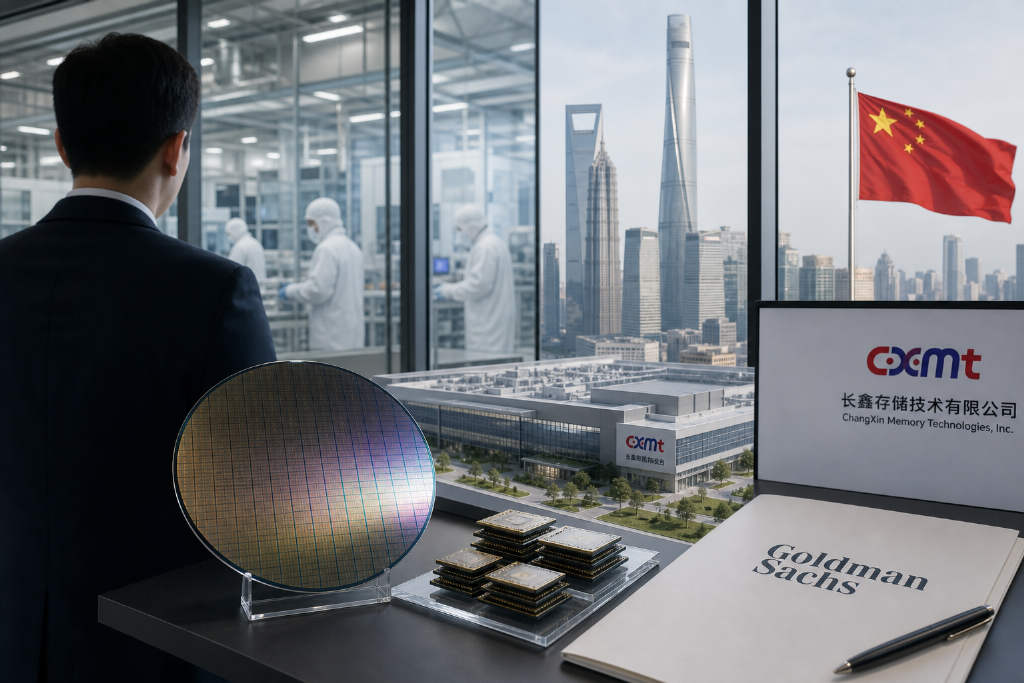
Goldman Sachs has initiated coverage of ChangXin Memory Technologies, or CXMT, less than a month after the company’s listing, assigning a Buy rating and a 12-month price target of CNY129. In its August 23 report, the bank argued that the investment case rests on three ideas moving together: rising AI-driven memory demand in China, a multi-year capacity buildout, and domestic substitution in DRAM. Goldman projects CXMT’s monthly wafer capacity will rise from 270,000 wafers in 2026 to 447,000 in 2028 and 665,000 by 2030, more than doubling over four years. It also estimates the company’s supply could cover about 50% of China’s DRAM demand by 2028, while cautioning that this refers to future supply capability rather than current market share. The report also places heavy weight on HBM, forecasting revenue contribution from the segment to climb from 2% in 2026 to 27% in 2030. Still, the CNY129 target depends on several favorable assumptions holding at once, including sustained high DRAM pricing, successful yield ramp-up, customer qualification, product mix upgrades, and a sharp rise in gross margin from 41% in 2025 to 82% in 2030.
1930
Goldman Sachs starts coverage on CXMT with Buy rating, 12-month target of CNY129
Gigabyte
2026-08-21 09:59:37

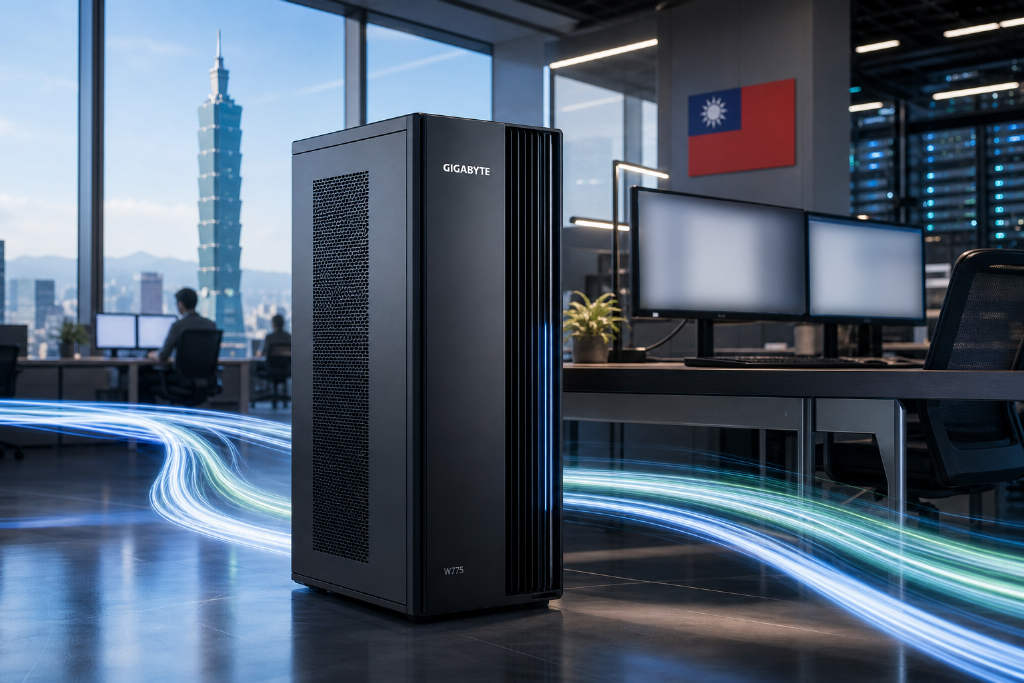
Gigabyte launches W775 desktop AI supercomputer powered by NVIDIA GB300 Ultra

Gigabyte said on Aug. 20 that it has launched the W775 series desktop AI supercomputer, with the flagship model using NVIDIA’s GB300 Grace Blackwell Ultra chip. The company says the system brings data-center-grade computing into an office-ready floor-standing chassis and extends its AI lineup from data centers to edge and enterprise deployments. The W775-V10-L01 can support up to 400 simultaneous users and delivers peak throughput of 9,000 tok/s. Gigabyte also raised its full-year capital expenditure forecast to NT$28 billion to NT$30 billion, up from NT$23 billion to NT$25 billion, an increase of about 20%.

1240
Gigabyte launches W775 desktop AI supercomputer powered by NVIDIA GB300 Ultra
Changxin Memo
2026-08-11 07:49:54

Changxin DDR5 Yield Rate Tops 90%, PC Makers Split on Adoption

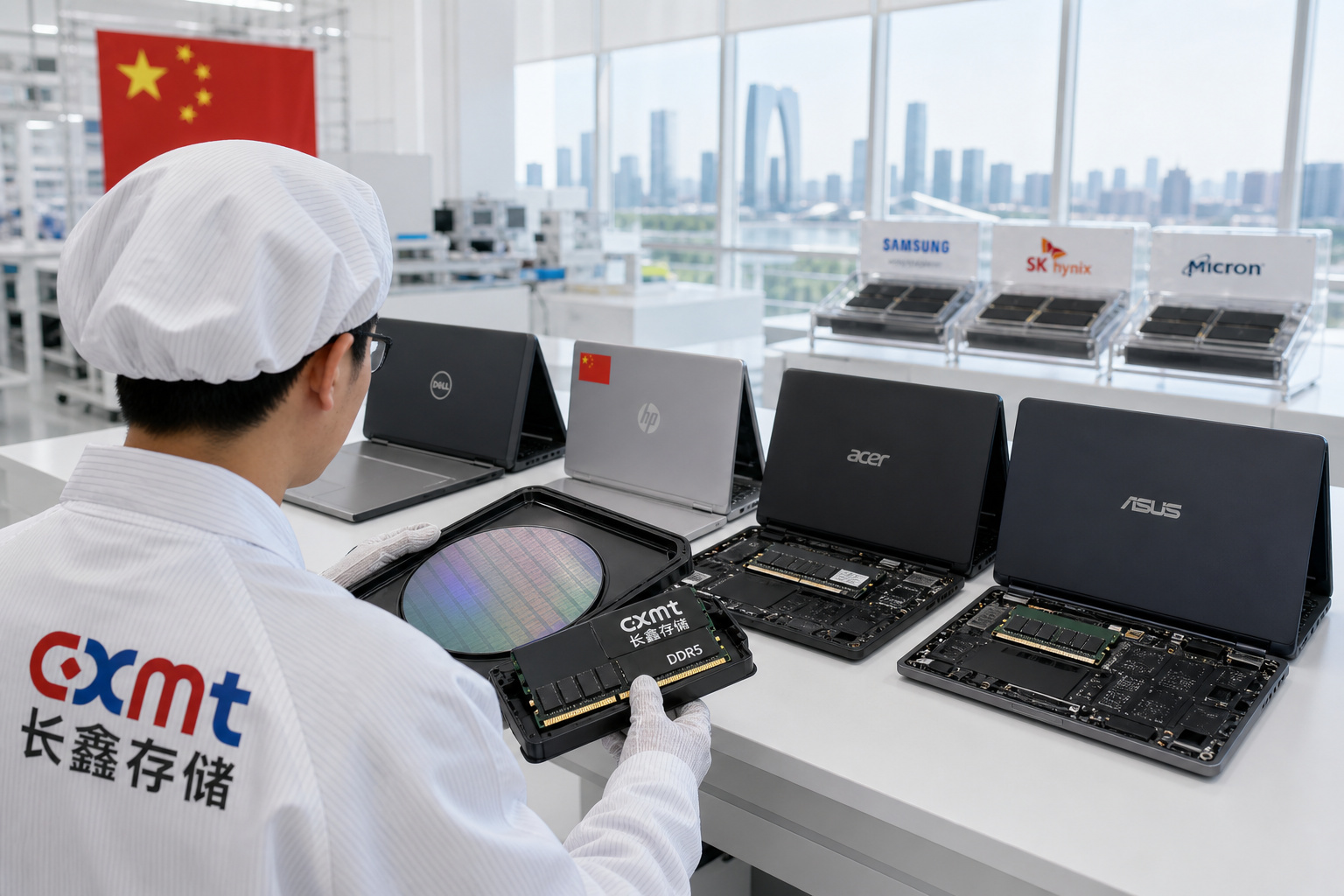
According to Kuai Technology via ChainCatcher, Changxin Memory's 17nm DDR5 chips have reached a yield rate above 90%, leaving the company just about two percentage points behind Samsung's 92-93% yield for comparable generation products. That places Changxin's technical indicators in the global first tier. Several leading PC manufacturers completed certification for Changxin DRAM around mid-year and have started small-batch deployments in some notebook lines. Adoption strategies, however, are far from uniform: Dell has completely prohibited the chips, HP only uses them in mainland China, while Acer and Asus are fitting them into models aimed at mainland China and other emerging markets. The immediate impact on prices from Samsung, SK Hynix and Micron remains limited, mainly because those three are still prioritizing LPDDR5 supply, whereas Changxin is concentrating on expanding DDR5 shipments. PC executives caution that the top three memory suppliers hold more than 90% of the global DRAM share, meaning large-scale adoption requires extreme care. For now, both the number of models using Changxin chips and the total quantities involved are very small.

2310
Changxin DDR5 Yield Rate Tops 90%, PC Makers Split on Adoption
SK Hynix
2026-08-11 02:03:00

JPMorgan says SK Hynix selloff overstates HBM pricing worries and capex concerns

SK Hynix fell 15% last week, underperforming both the KOSPI, which dropped 5%, and Samsung Electronics, which lost 9%. That pullback pushed three issues to the center of the debate: uncertainty around HBM specifications and pricing, the timing of a new shareholder return plan, and the company’s disclosed 54 trillion won infrastructure capex program. In a research note dated Aug. 9, JPMorgan argued those concerns have been overstated rather than driven by a change in fundamentals. The bank said media reports suggesting SK Hynix could price its 2027 HBM4 products at a 50% discount to rivals were inaccurate. Its own conservative model assumes HBM average selling prices in 2027 rise by less than 40% year over year, supported by product mix decisions, the company’s long-running relationship with Nvidia, and annual price renegotiation flexibility. JPMorgan also said SK Hynix is now expected to unveil an updated shareholder return plan by the end of September, earlier than management’s previous guidance of before year-end. On capex, the bank said the 54 trillion won plan should be read as part of the company’s path toward its 2030 target of one million wafers of capacity rather than as a near-term expansion push. JPMorgan kept its Overweight rating and 2.75 million won target price on the stock.

1180
JPMorgan says SK Hynix selloff overstates HBM pricing worries and capex concerns
memory chips
2026-08-10 05:49:15

Memory makers are rewriting the cycle with long-term contracts, but the real test comes after 2028

Samsung Electronics, SK hynix and Micron Technology have all posted record quarterly results, yet their shares have pulled back over the past month as investors question whether the memory sector is heading toward the familiar boom-bust pattern of rising prices, aggressive capacity additions, oversupply and collapse. Public disclosures and comments from executives suggest this cycle is different in one important way: spending is rising, but the new capacity is being directed mainly toward AI products such as HBM and server DRAM rather than broad-based expansion across end markets. At the same time, the three suppliers are shifting away from quarterly pricing and into three- to five-year supply agreements that include floor prices, take-or-pay commitments, prepayments, deposits and, in some cases, minimum revenue guarantees. Micron has disclosed 16 five-year strategic customer agreements, while Samsung said it plans to place 60% to 70% of capacity under multi-year contracts. Industry researchers and company executives cited in the report expect supply tightness to extend through 2027 and potentially into 2028, with EUV delivery times and wafer reallocation to HBM limiting near-term relief. The article also points to a second layer of change after 2028: how quickly new capacity arrives, whether long-term contracts can keep earnings stable even if spot prices soften, and how much influence CXMT and domestic Chinese suppliers gain in consumer DRAM, LPDDR and eventually HBM-related manufacturing chains. Those factors, rather than the current price spike alone, may determine whether the sector truly breaks from its historical “death spiral.”

2850
Memory makers are rewriting the cycle with long-term contracts, but the real test comes after 2028
JPMorgan
2026-08-09 09:26:13

JPMorgan Says SK Hynix Share Decline Fears Overdone, Sees Midterm Sentiment Improving

JPMorgan said market concerns over SK Hynix's share decline are overdone, as the chipmaker pulls forward its shareholder return program and maintains HBM competitiveness, which should help improve mid-term sentiment. The key catalysts include the formal announcement of the shareholder return plan by end-September 2026 and an update on HBM contract pricing around the same time. The bank projects cumulative free cash flow of over 800 trillion Korean won over three years, giving SK Hynix ample capacity for shareholder returns; with gains from the sale of its Kioxia stake and other items, its return scale could exceed that of other global memory firms. SK Hynix plans to invest about 54 trillion won in infrastructure, including 35.2 trillion won for a DRAM fab in Yongin and 19.1 trillion won for a NAND fab in Cheongju. On HBM4 pricing reports claiming a 50% discount vs. rivals, JPMorgan said the claims are inaccurate. It expects HBM prices to rise less than 40% year-over-year in 2026, partly due to the company's priority on higher-margin long-term contracts for DDR5, LPDDR5 and NAND, and its multi-year procurement approach with top customer Nvidia. Given annual repricing of HBM, short-term pricing becomes less important after securing 3-5 year contracts.

2060
JPMorgan Says SK Hynix Share Decline Fears Overdone, Sees Midterm Sentiment Improving
Nvidia
2026-08-08 06:43:09

Nvidia’s Rubin Ultra memory cut hits HBM outlook as global memory stocks slide, while CXMT avoids the same shock

Nvidia’s reported decision to reduce the mainstream HBM configuration on its next-generation Rubin Ultra GPU has shaken expectations across the memory sector. According to the source text, the design under evaluation moved from a planned 12-Hi, roughly 384GB HBM setup to an 8-Hi, 192GB version, nearly halving memory capacity per card. The GPU package was also reduced from 4-die to 2-die, with power dropping from 2300W to 1800W. SK hynix ADR fell 4.97% on the day of the news, and its South Korean shares dropped more than 10% the next day. The report places that development alongside a wider pattern in memory equities: record earnings, weaker share prices. Sandisk posted fiscal 2026 fourth-quarter revenue of $8.97 billion, up 372% year over year, yet its shares still fell after guidance for the next quarter came in below market expectations. SK hynix and Samsung Electronics saw similar market reactions despite posting historic profit figures. The article argues that investors are repricing the sector around slowing growth rather than peak profit levels. It also turns to China’s domestic substitution story. CXMT was described as the world’s fourth-largest DRAM supplier by market share, with progress in DDR5 and LPDDR5 and fast capacity expansion, but still lacking large-scale HBM production. That has left it in a different position from Korean HBM leaders, even as it gains ground in mainstream DRAM.

1790
Nvidia’s Rubin Ultra memory cut hits HBM outlook as global memory stocks slide, while CXMT avoids the same shock
Winbond
2026-08-07 07:02:35

Winbond targets top global SLC NAND supplier spot by 2027 as DRAM shortages stretch on

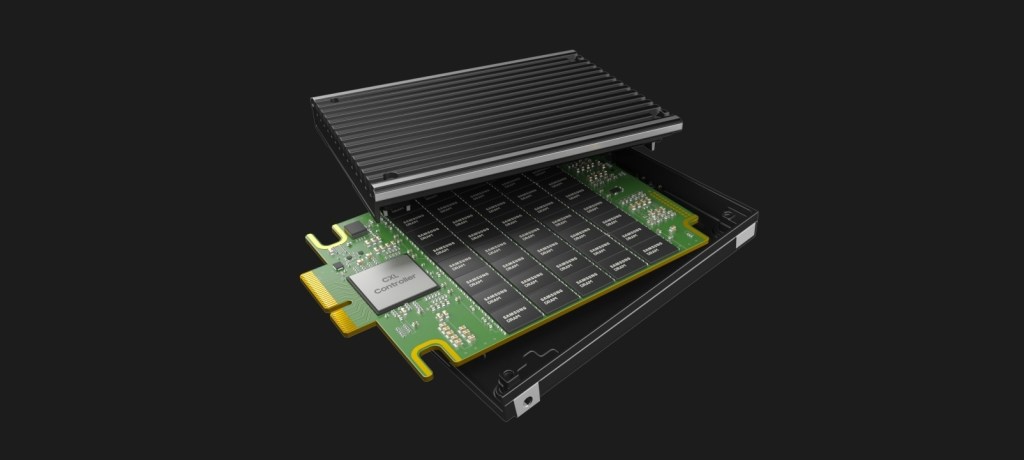
Winbond said DRAM supply will remain tight through 2027 and could get even tighter next year, while some customers are already discussing long-term supply agreements for 2029 and 2030. The company also outlined a plan to become the world’s largest SLC NAND supplier by 2027, backed by capacity expansion in Kaohsiung and a shift to 16nm. Analysts say the market is underestimating SLC demand tied to CMX and CXL-based AI server expansion.

810
Winbond targets top global SLC NAND supplier spot by 2027 as DRAM shortages stretch on