
‹ BackNewsLabor market

Labor market

U.S. consumer confidence fell to 90.8 in July, missing forecasts
Policy Regula
2026-07-28 08:06:07

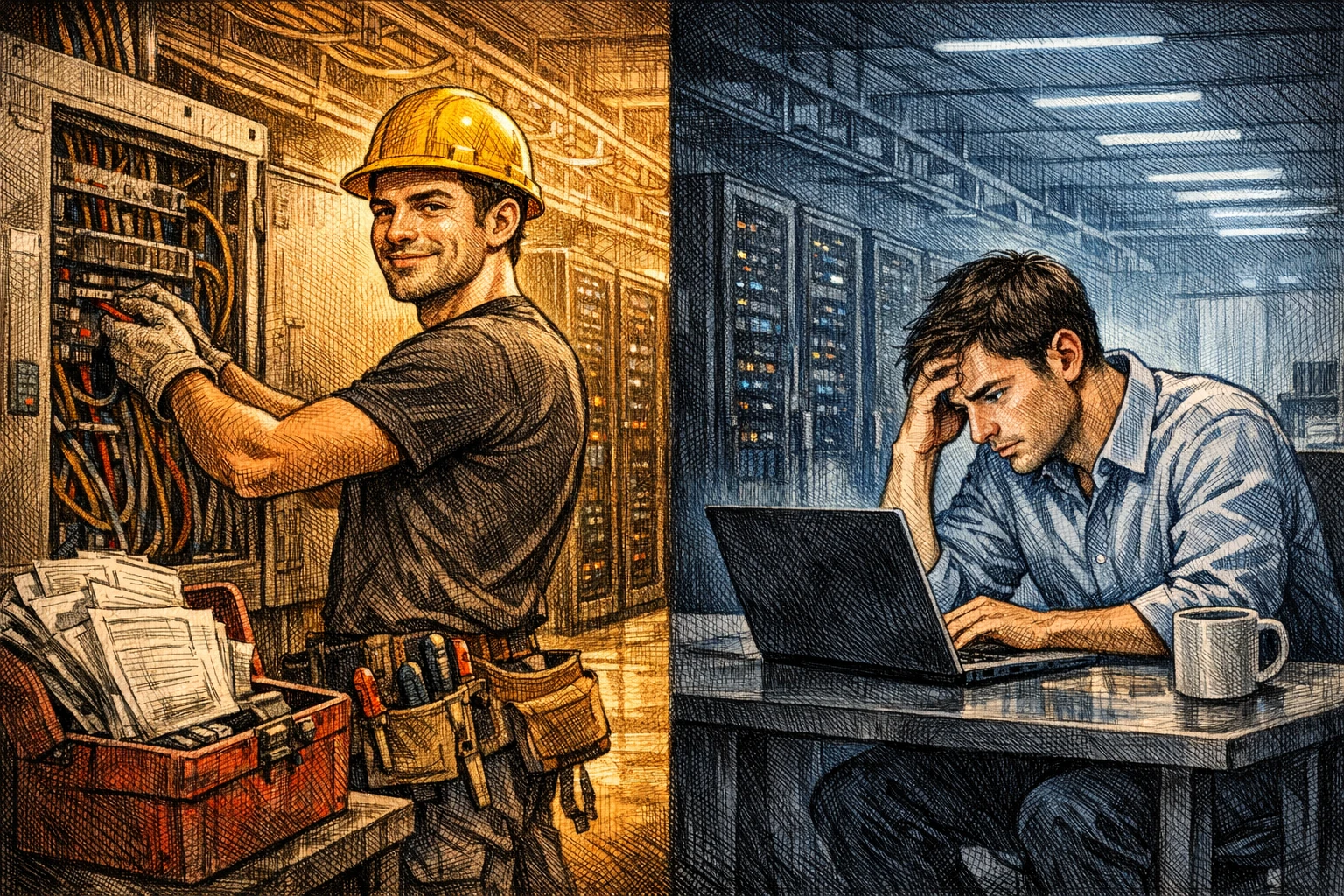
The "permanent underclass" debate in AI is really about whether labor loses its bargaining power

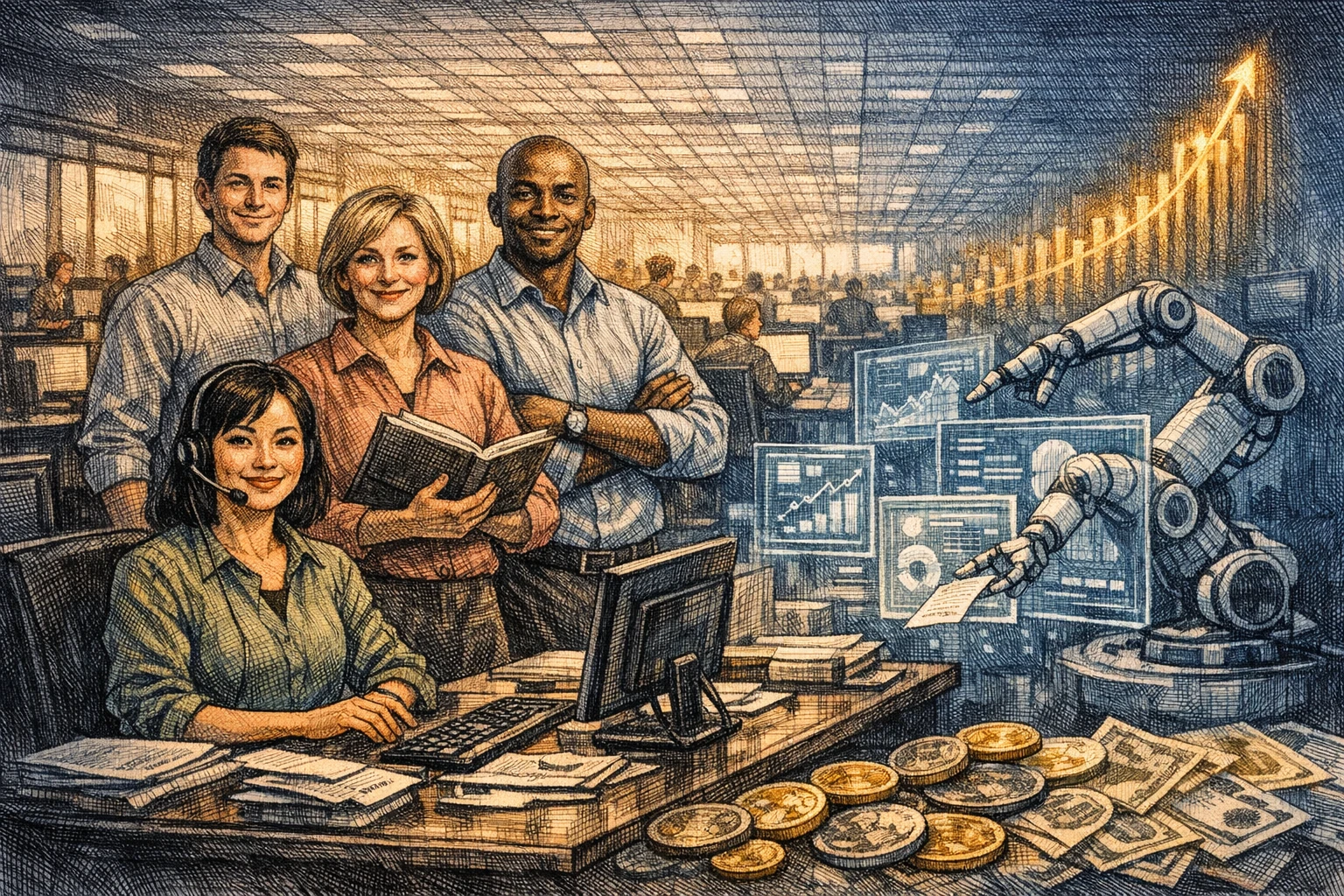
A MarsBit commentary examines the rise of the “permanent underclass” idea in AI circles and argues that the fear goes beyond job losses. The core concern is that if artificial intelligence can perform most cognitive and physical labor, wages may stop serving as a path to mobility, while profits concentrate around those who control models, compute, energy and data centers. The article opens with Sam Altman’s July 26 remarks in San Francisco, where he called it “ridiculous” to say that anyone who does not join a frontier lab will fall into a permanent underclass, then uses that moment to explore why the phrase has gained traction. Drawing on reporting by writer Jasmine Sun, the piece says frontier AI researchers often struggle to answer a basic question: what should an ordinary 17-year-old American, not a prodigy and only a B student, do to prepare for the future? It also cites Stanford’s Digital Economy Lab using ADP data on 4.6 million workers, noting a roughly 16% relative employment drop for workers aged 22 to 25 in the occupations most exposed to AI, a 5.6% unemployment rate for recent U.S. graduates, up 1.6 percentage points from three years earlier, and a 25% drop in entry-level hiring at large tech companies over two years. The article contrasts China and the U.S. on policy response, references 2025 and 2026 legal and political developments, and concludes that the real missing piece is not individual career advice but a new bargaining and distribution framework for an AI-driven economy.

1860
The "permanent underclass" debate in AI is really about whether labor loses its bargaining power
Analyst says Warsh is unlikely to break with Fed hold consensus this week