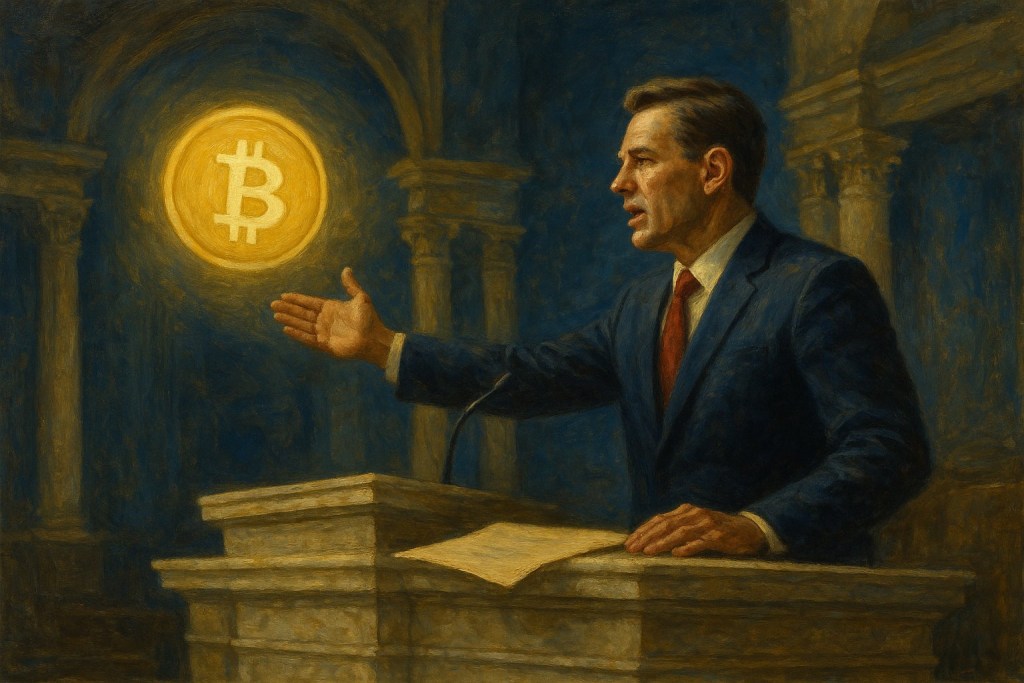
Bitcoin2026-09-05 01:23:36Bitcoin Movie 'Bitcoin' Enters Post-Production with $70M Budget, Casts Casey Affleck as Craig WrightA Bitcoin-themed film titled 'Bitcoin' has entered post-production with a production budget of approximately $70 million, according to Bitcoin.com. Directed by Doug Liman, known for 'The Bourne Identity,' the movie features a star-studded cast including Gal Gadot, Casey Affleck, Pete Davidson, and Isla Fisher. In the film, Casey Affleck portrays Craig Wright, the Australian computer scientist who claims to be Satoshi Nakamoto, while Pete Davidson plays Calvin Ayre, a business associate and supporter of Wright. Notably, some scenes and lighting are generated using AI technology. The film has yet to secure a major U.S. distributor or set a specific release date. Critics have speculated that the movie may be inclined to portray Wright as the true creator of Bitcoin, but the production team has not confirmed this narrative. The project reflects the growing intersection of cryptocurrency culture and mainstream cinema.800
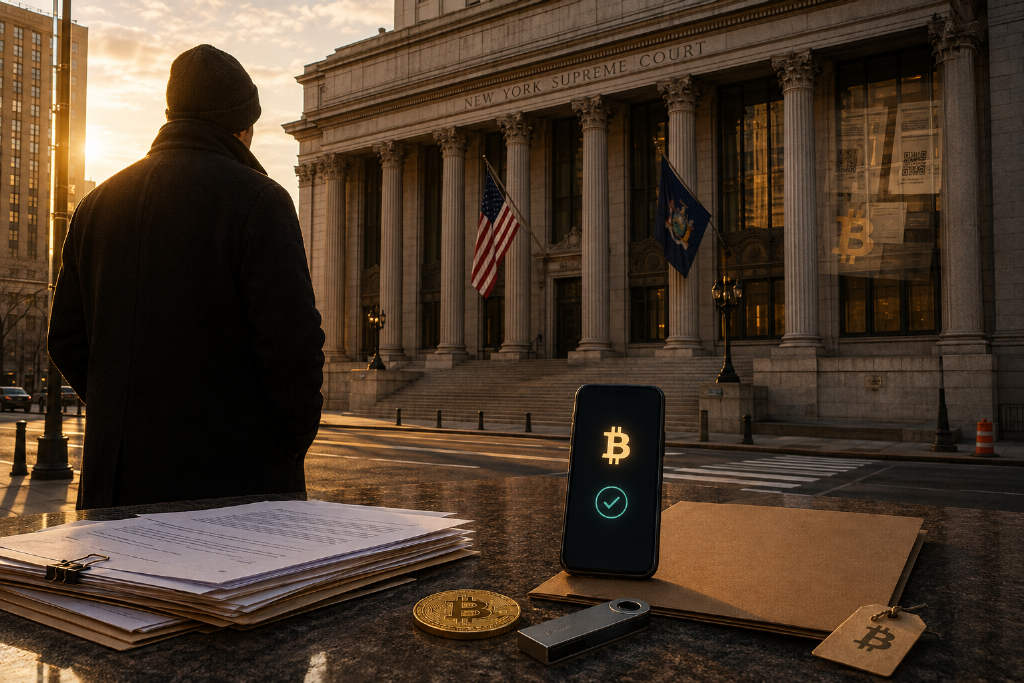
Bitcoin2026-09-04 10:12:47Dormant 2011 Bitcoin wallet moves 40 BTC, undercutting New York abandoned-property claimA Bitcoin address that had sat untouched since Nov. 5, 2011 moved its full balance of 40.00001152 BTC on Sept. 3, 2026, after roughly 14 years and 10 months of inactivity. The coins were worth less than $120 when they first arrived, based on Bitcoin trading near $3 at the time, and about $3.09 million when they were transferred. At publication, with Bitcoin at $80,962, the holdings were worth about $3.24 million. Galaxy Research identified the sending address as "Noah Doe #38097" and said it appears on a list of 39,069 addresses named in a New York lawsuit that seeks ownership of roughly 3.7 million to 3.8 million BTC said to be "abandoned." Depending on the price point used, the value tied to the broader claim has been reported at $285 billion to $293 billion. The case, filed as 153119/2026 in New York County Supreme Court, relies on New York Personal Property Law § 7-B. The address had previously received two blockchain-based legal notices, including one marked "COURT-ORDERED LEGAL NOTICE." But the latest movement adds to a growing set of named wallets that have become active since the suit was filed. Alex Thorn of Galaxy Research said 52 listed addresses have moved 34,335 BTC since the case began. On-chain data cited in the report shows the Sept. 3 transfer went to a new bc1 address and had not moved again by press time, indicating a wallet transfer rather than a confirmed sale.810
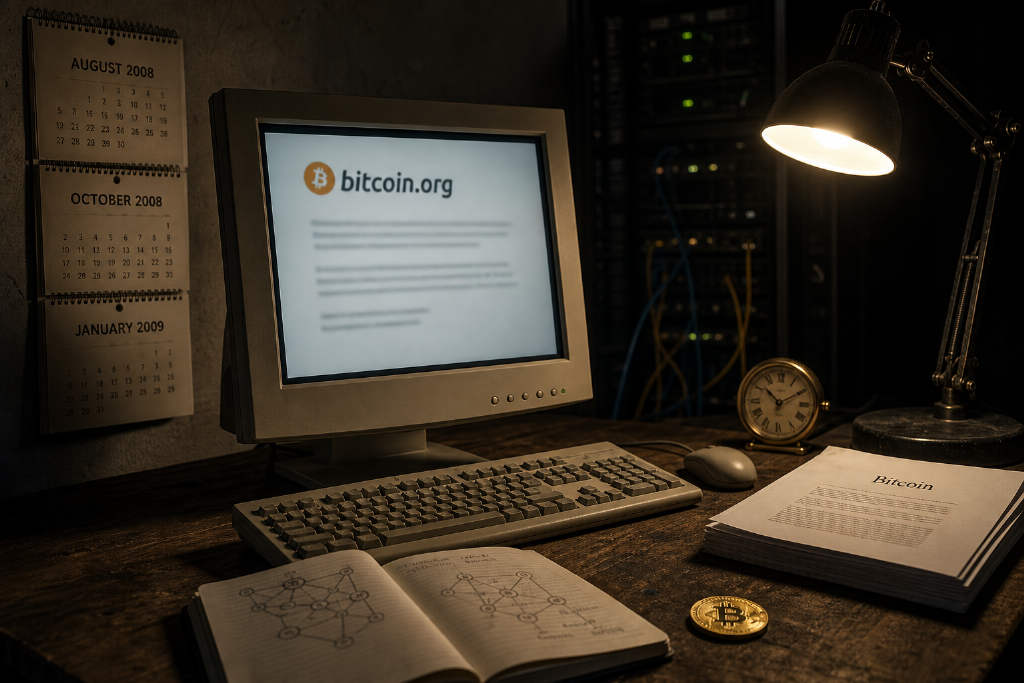
Bitcoin2026-08-18 08:56:31bitcoin.org turns 18 as a key early platform for Bitcoin information and coordinationChainCatcher reported that 18 years ago today, Bitcoin creator Satoshi Nakamoto registered the bitcoin.org domain, a site that later became a central platform for early Bitcoin information releases and community coordination. The timeline cited in the report shows that the domain was registered on Aug. 18, 2008. In October of the same year, Satoshi used a related path on the site to publish the Bitcoin white paper, and in January 2009 mined the genesis block, launching the Bitcoin network. Over time, bitcoin.org carried protocol documentation, client download guidance, and introductory educational material. The report describes the domain as one of the landmark internet assets in Bitcoin’s path from an idea to global adoption.1140
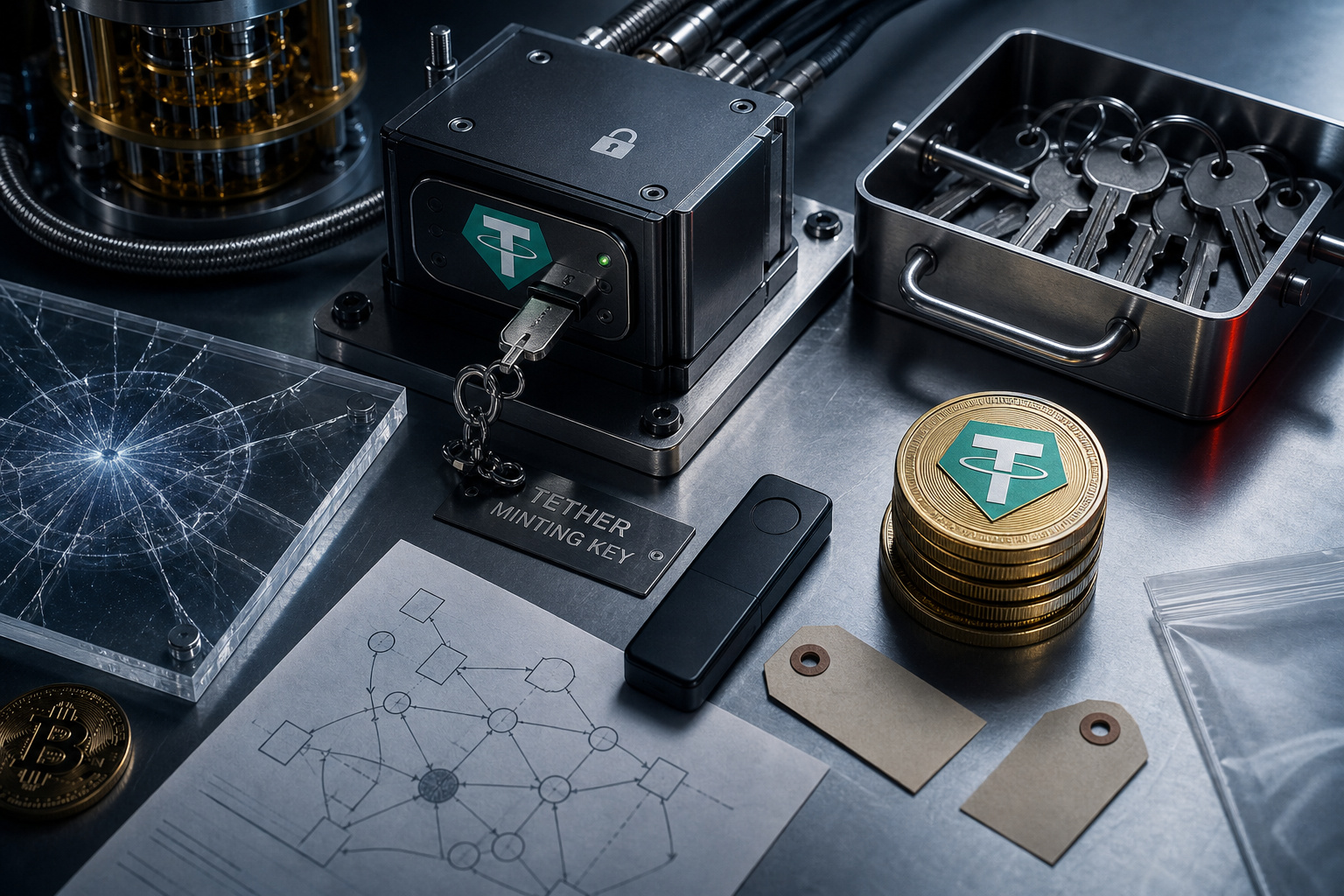
quantum attac2026-08-10 03:45:57Quantum Attack May First Surface as Unexplained Crypto Wallet TheftsChristopher Smith, founder of blockchain startup Quantus, said the first quantum attack may appear as a string of unexplainable crypto wallet thefts, not as a heist of the estimated $63 billion in dormant bitcoin attributed to Satoshi Nakamoto. A sufficiently powerful quantum computer could derive private keys from public keys exposed on-chain, enabling transfers without breaching wallets, devices, or exchange internals. In a breach of a highly secure institution, the only forensic evidence might be the absence of intrusion traces. Smith sees military systems and state secrets as early targets, while in crypto, Tether's minting keys could be more valuable—allowing an attacker to create tokens at will and dump them before the issuer responds. Google has accelerated its post-quantum migration timetable to 2029, and Smith puts the probability of quantum computers breaking modern cryptography around 2028 at 50-50. Some blockchains already, Smith noted, have started moving to post-quantum signatures.1780
quantum compu2026-08-10 03:50:50Quantum Attack May Start With Wallet Thefts, Not Satoshi’s $63B BitcoinChristopher Smith, founder of blockchain startup Quantus, says the first quantum attack could look like a burst of unexplained cryptocurrency wallet thefts, not a direct hit on Satoshi Nakamoto's dormant Bitcoin, which is estimated to be worth around $63 billion. A powerful enough quantum computer could derive private keys from public keys exposed on-chain, letting attackers move funds without breaking into wallets, devices, or exchange systems. For highly secure institutions, the only forensic evidence might be that no intrusion exists at all. Smith believes early targets could include military systems and state secrets. In the blockchain space, Tether's minting keys may be even more valuable: an attacker with that access could mint tokens from nowhere and sell them before the issuer can respond. Google has moved its post-quantum migration timeline to 2029, while Smith puts the odds of quantum computers breaking modern cryptography around 2028 at “50-50.” Relevant blockchains have already started shifting to post-quantum signatures.1810
ECX2026-08-08 15:44:19ECX Hard Fork Moves to Three-Phase Launch, Permanent Version Set for Oct 31ECX developer Paul Sztorc has announced that the ECX hard fork will roll out in three phases instead of a single launch on Aug 23. The first Alpha version activates Aug 23 at block height 963648, Beta goes live Sep 20 at block height 967680, and the permanent full version arrives Oct 31 at block height 973728. ECX is a new blockchain that reproduces Bitcoin's entire transaction history at specified block heights. Nearly all Bitcoin holders will receive an equal amount of ECX, except for some bitcoin belonging to Satoshi Nakamoto, and the Bitcoin network itself stays unchanged. Tokens collected during Alpha and Beta can be destroyed and exchanged for official ECX once the permanent chain is live. Replay protection remains optional, though the official wallet will enable it and remind users before a transaction is executed. Sztorc warned that ignoring the reminder could cause ECX to replay the user's Bitcoin transaction, with the associated bitcoin following the transfer and moving to the new holder. Oct 31 also marks the 18th anniversary of Satoshi Nakamoto publishing the Bitcoin white paper.2370
Changpeng Zha2026-08-01 10:19:00CZ’s reported call to freeze Satoshi-linked Bitcoin addresses resurfaces after Coldcard flawTechub News reported that X user @cryptorover said Binance founder Changpeng Zhao had previously suggested that the Bitcoin network should freeze Satoshi Nakamoto-linked addresses if they had seen no transfers for one year. The comment has drawn fresh attention after a recent vulnerability involving the Coldcard hardware wallet revived debate over the safety of dormant holdings. According to the report, assets that have remained untouched for long periods are not automatically secure, as artificial intelligence and quantum computing are increasingly being discussed as rising threats. The report added that if Satoshi’s private keys were ever cracked, the large amount of Bitcoin mined in the network’s early days could be exposed to risk.1850
US regulation2026-07-31 06:12:53Bessent cites Satoshi quote as he presses Senate to vote on CLARITY Act before August recessU.S. Treasury Secretary Scott Bessent publicly urged the Senate on July 30 to hold an immediate vote on the CLARITY Act before the chamber leaves for its August recess, stepping up pressure around one of Washington’s key digital-asset market structure bills. In a post on X, Bessent said the House had already passed the legislation more than a year ago and that bipartisan Senate committee staff had spent “thousands of hours” working on a revised version. He argued the bill would strengthen consumer protection and anti-money laundering requirements while giving the digital-asset sector regulatory certainty. Bessent also accused Democrats of delaying the vote for political reasons, singled out Senator Elizabeth Warren as a leading opponent, and said the Fraternal Order of Police has now shifted to support the measure. The post drew extra attention because Bessent closed it with a well-known 2010 line from Bitcoin creator Satoshi Nakamoto: “If you don t believe me or don t get it, I don t have time to try to convince you, sorry.” Still, the bill’s near-term path remains difficult. Senate Majority Leader John Thune has said the measure is unlikely to advance before the August recess because disputes over ethics provisions remain unresolved. August 7 had been seen as an important deadline, with a procedural vote still possible, but final passage could slip until after the break.1850