VLCC

Taiwan stocks
2026-09-14 00:28:09

Shipping stocks draw defensive flows in Taiwan as freight rates surge and Middle East tensions escalate

Taiwan shipping names are drawing renewed attention after a jump in freight rates and a rotation in institutional flows, according to ABMedia. The report said stronger expectations for a U.S. Federal Reserve rate hike after the latest inflation data, combined with the approach of TAIEX futures settlement, have left the broader market in a wait-and-see mode with limited upside in heavyweight technology shares. Against that backdrop, a sharp escalation in Middle East geopolitical tensions has pushed shipping and energy markets higher. ABMedia said Yemen’s Houthi forces had expanded control along the Red Sea coast, including Mocha, Perim Island and the Hanish Islands, undermining hopes for a return to normal shipping through the Bab el-Mandeb Strait. The report added that the Shanghai Containerized Freight Index has risen for six straight weeks, while Europe-bound container futures gained 5% to 9% in a single day. The article also pointed to a drone strike on Saudi Arabia’s east-west oil pipeline, which carries up to 7 million barrels a day to Yanbu on the Red Sea, prompting a preventive shutdown. ABMedia said Brent crude moved above $100, buyers shifted toward Atlantic Basin supplies, and demand for long-haul crude shipping lifted sentiment around VLCC operators. In Taiwan equities, the report highlighted Evergreen, Yang Ming, Wan Hai, Shin Yang and Wisdom Marine among the names seen as potential beneficiaries.


80
Shipping stocks draw defensive flows in Taiwan as freight rates surge and Middle East tensions escalate
Strait of Hor
2026-07-24 03:50:57

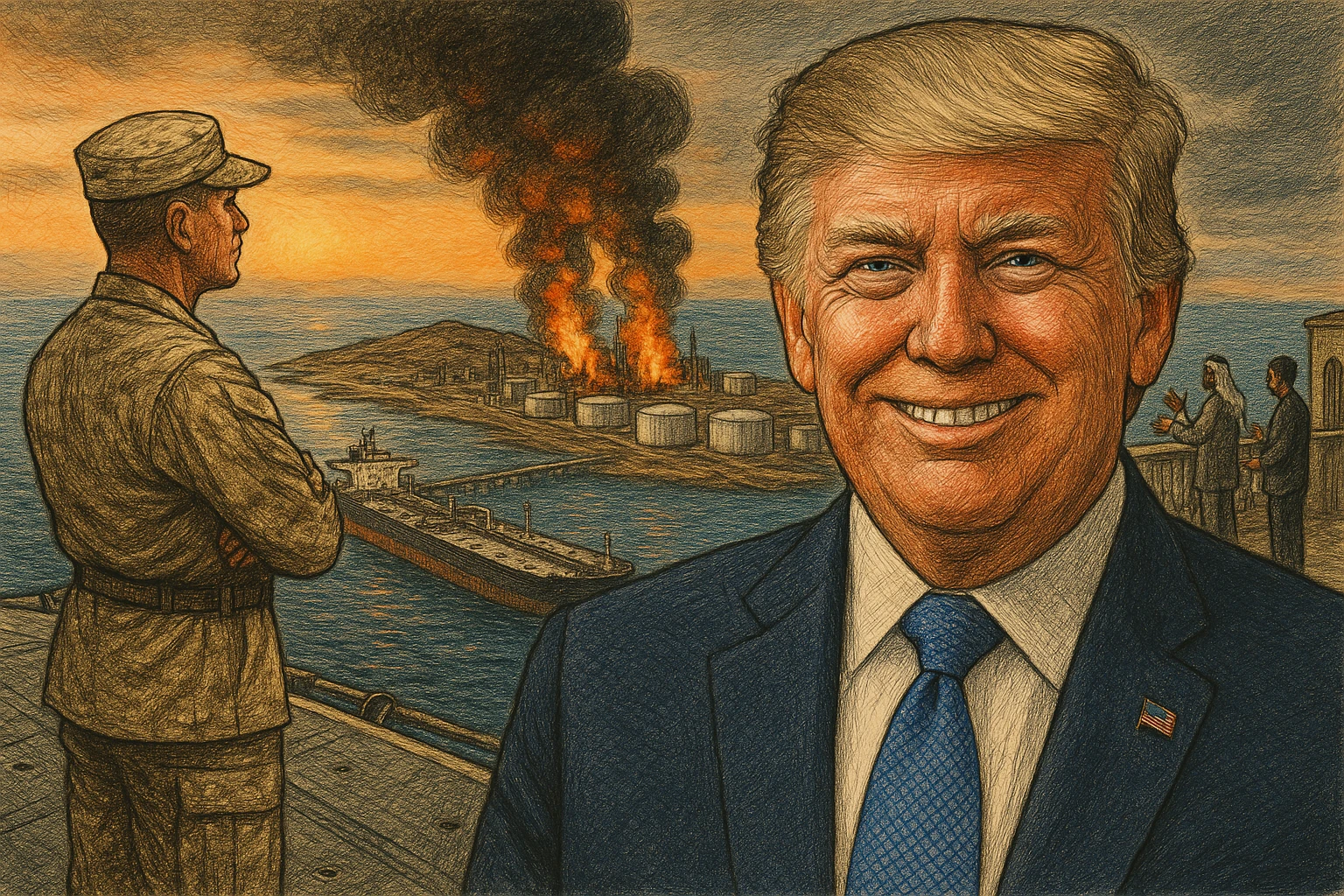
Hormuz tanker traffic falls to its lowest level in two and a half months

Tanker traffic through the Strait of Hormuz dropped to its lowest point since May 7 as shipping risks in the Middle East continued to rise, according to BlockBeats. Vessel-tracking data showed that only one tanker passed through the strait on July 23, down from three a day earlier, while no ships entered the waterway that day. Oil prices climbed back toward $100 a barrel as the market reacted to the disruption risk. The sole vessel recorded leaving the strait was the VLCC New Giant, which was carrying about 2 million barrels of Iraqi Basra crude and is expected to arrive at Rizhao Port in China in mid-August. At the same time, the U.S. military said it had completed a 13th consecutive night of strikes on Iran, adding to concern over the safety of energy shipments in the region. Shipping activity in the Bab el-Mandeb Strait recovered, with 32 tankers passing through on July 23 versus 26 the previous day. Of those, 14 entered the Red Sea and 18 headed toward the Gulf of Aden. Some Asia-bound tankers have started rerouting via the Suez Canal instead of the traditional Bab el-Mandeb passage, a change that could nearly triple voyage times. Saudi Aramco has also begun offering additional crude loading options through Egypt’s Mediterranean port of Sidi Kerir as an alternative to Red Sea export points.

20
Hormuz tanker traffic falls to its lowest level in two and a half months
US-Iran confl
2026-07-23 09:30:14

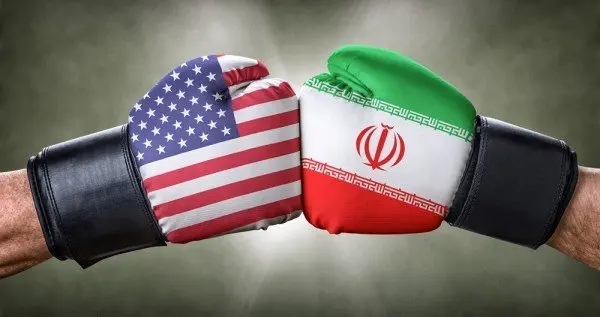
US-Iran tensions and disrupted oil flows put equities, bonds, and crypto pricing under pressure

Markets are treating the latest US-Iran escalation as more than another oil-price spike. The central question is whether disruptions to energy transport through the Strait of Hormuz, and possible added pressure around the Bab el-Mandeb, could feed back into inflation, keep rates higher for longer, and force a broader repricing across risk assets. Reuters tracking cited in the report said traffic through Hormuz fell sharply, with only three commodity carriers passing on July 16 and no VLCC or LNG vessel transits recorded that day. On July 22, Brent crude rose 3.12% to $93.85 a barrel and West Texas Intermediate climbed 3.47% to $87.27, both the highest since June 11. The analysis argues that the issue for equities is no longer how long the conflict lasts in military terms, but whether corporate earnings and valuations can absorb higher energy costs, higher Treasury yields, and weaker consumer demand at the same time. Airlines, transport, chemicals, discretionary consumption, and richly valued tech shares could face greater pressure, while energy, defense, and some commodity-linked names may hold up better. For crypto, the piece says Bitcoin may still trade like a liquid risk asset during an initial shock even if some investors continue to view it as a hedge against longer-term currency debasement and inflation.

1180
US-Iran tensions and disrupted oil flows put equities, bonds, and crypto pricing under pressure
Iran
2026-07-09 02:52:15

Iran's IRGC Tolls Oil Tankers via Strait of Hormuz, Accepts Crypto and Yuan

Iran's Islamic Revolutionary Guard Corps has been charging up to $2 million per tanker for safe passage through the Strait of Hormuz since April 2026, accepting Chinese yuan, stablecoins (USDT/USDC), and Bitcoin. The bill was codified by Iran's National Security Committee, bypassing dollar-based sanctions and potentially generating $70-80 billion annually.

330
Iran's IRGC Tolls Oil Tankers via Strait of Hormuz, Accepts Crypto and Yuan