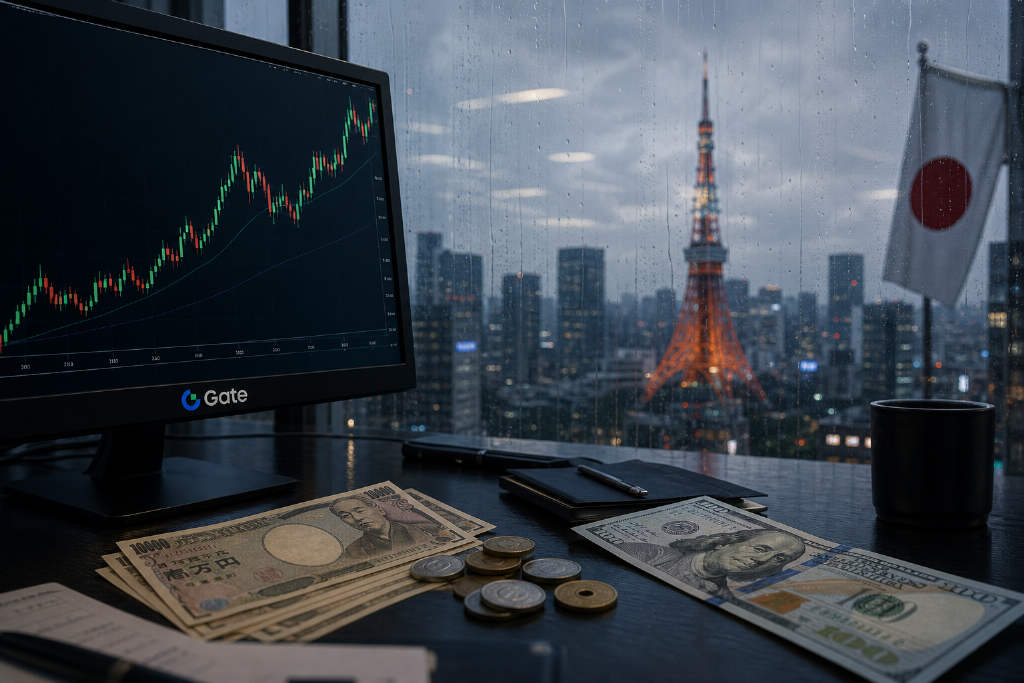
USDJPY2026-08-20 16:26:02USD/JPY rises above 159.0, up 0.4% over the past 24 hoursGate data shows that the U.S. dollar against the Japanese yen (USDJPY) has moved above the 159.0 level, with the pair last quoted at 159.004. Over the past 24 hours, the exchange rate has increased by 0.4%. The move was reported by Odaily in a brief market update, citing Gate as the data source. No additional details were provided in the newsflash beyond the latest quoted level and the 24-hour percentage gain.1160
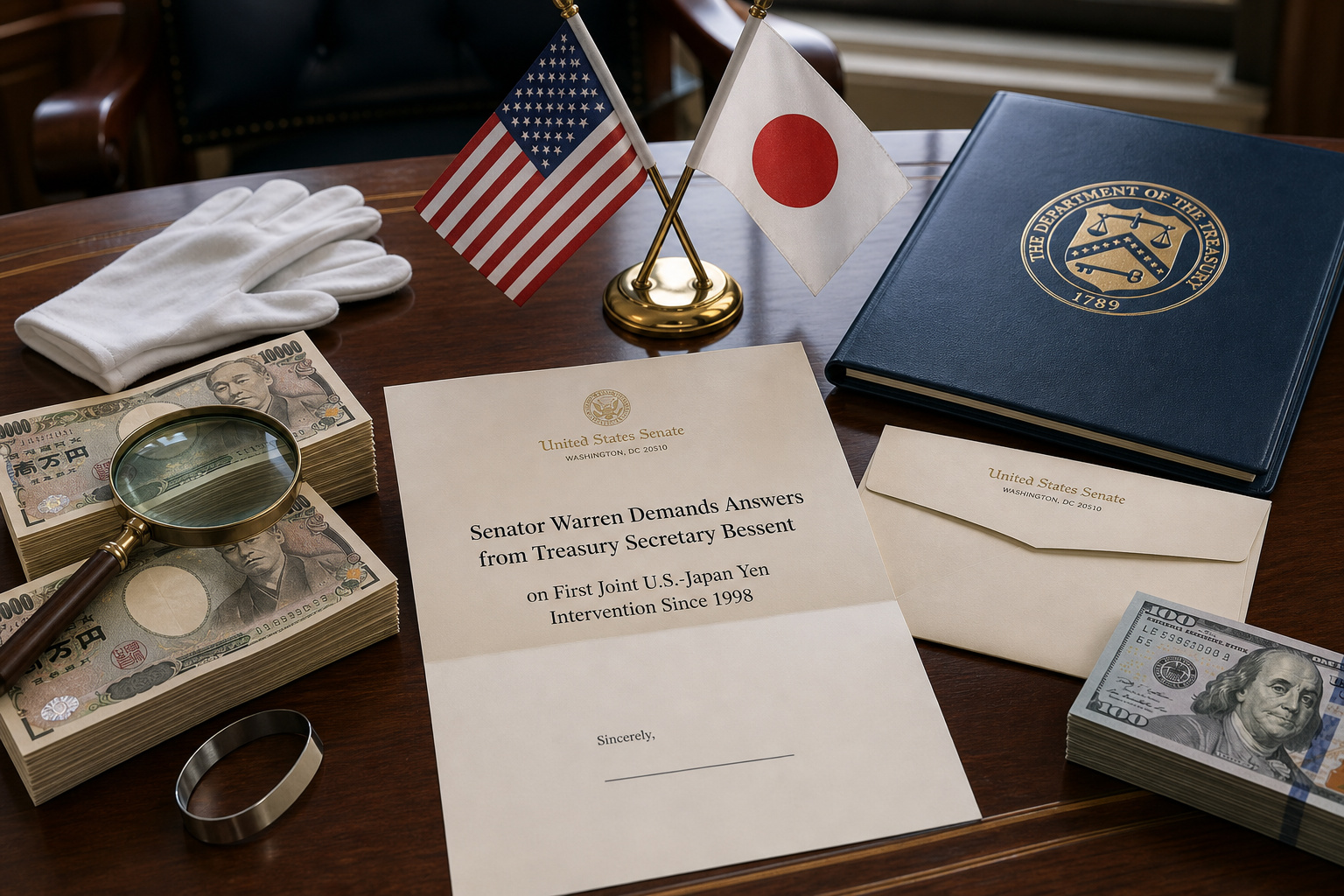
Policy Regula2026-08-15 01:25:59Warren asks Bessent to explain legal basis and costs of yen interventionU.S. Senator Elizabeth Warren has asked Treasury Secretary Scott Bessent to explain why the government intervened in the yen and to spell out the legal authority behind the move. In a letter dated Aug. 13, Warren requested details on how much taxpayer money was used to buy yen and what costs the Treasury expects from the operation. She said Congress requires the Exchange Stabilization Fund, or ESF, to be used cautiously and in ways that advance the national interest, and she asked for a response by Aug. 28. Warren also pointed to an earlier ESF intervention in the Argentine peso market, which she criticized as a politically driven taxpayer bailout. She asked the Treasury to clarify how the latest action could affect the U.S. economy and financial stability. The development was reported by Japan Times and cited by Techub.1330
Elizabeth War2026-08-14 14:21:03Warren asks Bessent to explain basis and size of yen interventionU.S. Democratic Senator Elizabeth Warren has asked Treasury Secretary Bessent to explain the basis for the Trump administration’s intervention in the Japanese yen market. In a letter dated Aug. 13, Warren said the administration had not provided a detailed justification for the move. She also said it had not disclosed how much money was used to buy yen. Bessent confirmed that the United States and Japan had carried out a joint foreign-exchange intervention to support the yen. According to the report, this was the first such coordinated action by the two countries since 1998. He did not disclose the amount of funds involved. The report attributes the information to ChainCatcher.1250
Policy Regula2026-08-13 02:36:28Yen Slips Back to 159 as U.S.-Japan Intervention Loses TractionThe Japanese yen moved back toward the 159 level on Aug. 12, a sign that the impact of the latest U.S.-Japan intervention is fading. The currency briefly fell 0.1% to 159.39 before closing little changed, while its recent weakness has already erased roughly half of the gains triggered by the joint action. According to the source cited in the original report, the U.S. Treasury on July 31 used the New York Fed to instruct Goldman Sachs and Morgan Stanley to sell euros and buy yen, marking the first direct U.S. participation in yen intervention in nearly 30 years. That move helped lift the yen from around 163 to 155. The report says the rebound did not hold because elevated U.S. Treasury yields and rising international oil prices restored support for the dollar and added pressure on Japan, which relies on imported energy. Market attention is now shifting to the Bank of Japan’s next policy meeting in September. Several strategists cited in the report argue that unless the BOJ moves more decisively toward policy normalization, intervention alone will have limited effect. With 160 now seen as a political red line, traders are watching for the possibility of another round of official action if the yen weakens quickly again.1540
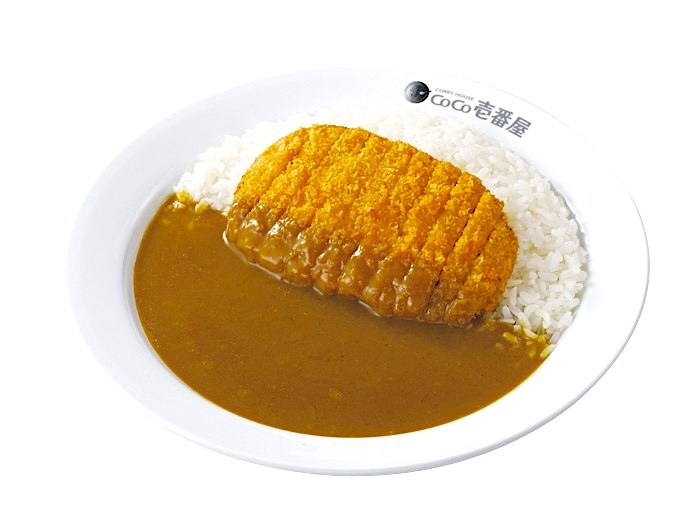
Japanese yen2026-08-12 08:03:58BNY strategist’s Katsu Curry Index suggests the yen is undervalued by about 61%A senior strategist at Bank of New York Mellon has proposed a new purchasing-power gauge built around katsu curry prices, arguing it shows the Japanese yen is trading far below its implied value. According to Bloomberg-cited calculations by Geoff Yu, the so-called Katsu Curry Index puts a fair exchange rate at ¥62.18 per U.S. dollar, versus around ¥159.23 in Wednesday morning trading. That points to yen undervaluation of roughly 61%. The comparison is even more aggressive than the long-running Big Mac Index. Based on McDonald’s burger prices across countries, that measure implies a fair rate of ¥80.30 per dollar, which still signals deep yen weakness but not to the same extent. The discussion comes as the yen remains in focus after a joint U.S.-Japan intervention that pulled the currency off its weakest dollar level in more than 40 years. Bloomberg said about half of that intervention-driven rebound has since been erased. The report also notes that food-based PPP indicators can help illustrate cost-of-living gaps, but structural pricing differences mean they should not be treated as direct trading targets for foreign exchange markets.440
Arthur Hayes2026-08-11 06:02:12Arthur Hayes says a FIMA route could channel $1.373 trillion in Treasury-backed liquidity and lift Bitcoin, goldBitMEX co-founder Arthur Hayes argues that U.S. and Japanese officials may favor a little-used route to support the yen without directly dumping U.S. Treasuries: Japan’s Ministry of Finance could repo its Treasury holdings through the Federal Reserve’s FIMA facility, obtain dollars, then sell those dollars to buy yen in the foreign-exchange market. In Hayes’ framework, that would amount to a balance-sheet expansion at the Fed because outstanding FIMA lending would rise alongside the collateral posted. He says the mechanism would strengthen the yen while injecting fresh dollar liquidity into the global system. Hayes lays out three possible ways to drive yen appreciation: aggressive rate hikes by the Bank of Japan, forced repatriation by Japanese institutions such as GPIF, or FIMA-backed Treasury financing. He dismisses the first two as politically and financially difficult, and says the third path is the one officials are most likely to choose. He estimates that the Japanese government and GPIF together hold about $1.373 trillion in U.S. Treasuries, a pool large enough, in his view, to matter if FIMA limits are loosened. Based on that thesis, Hayes says he is already heavily positioned in Bitcoin, physical gold and gold miners. He also names Ether and Ethena’s ENA token as crypto assets he sees as offering more upside if dollar liquidity expands and Bitcoin’s basis trade improves.2150
Arthur Hayes2026-08-11 01:09:56Arthur Hayes says stronger dollar liquidity could lift Bitcoin as he lays out yen strategyArthur Hayes said on X that his upcoming essay, "Yen-quake," will examine what he described as a plan by "Buffalo Bill Bessent" to influence the U.S. dollar-Japanese yen exchange rate and restart the monetary printing press. Hayes argued that the yen’s long decline over the past decade helped push global asset markets higher, but said that phase will eventually end. He outlined three ways the yen could strengthen. The first is a sharp Bank of Japan rate hike that would at least erase the short-end rate gap between the dollar and yen. The second is for the government to persuade domestic institutions and public bodies such as GPIF to change their investment mandates, sell overseas assets, and buy local assets. The third, which Hayes called the preferred route, would see Japan’s Ministry of Finance hand its U.S. Treasury holdings to the Federal Reserve through repo transactions in exchange for dollars, then sell those dollars and buy yen in the foreign-exchange market. Hayes also pointed to what he called a joint intervention by U.S. and Japanese monetary officials two weeks ago, and cited comments from U.S. Treasury Secretary Buffalo Bill Bessent on raising FIMA repo counterparty limits. He added that if dollar liquidity rises sharply, Bitcoin and the broader crypto market will move higher.1950
Goldman Sachs2026-08-07 11:20:26Goldman Sachs says yen intervention reinforced the dollar’s reserve statusGoldman Sachs said on Aug. 7 that recent intervention by the United States and Japan to support the yen did not weaken the U.S. dollar’s standing as the world’s main reserve currency. Instead, the bank said those actions reinforced it. According to the firm’s analysis, Washington’s intervention in euro/yen and the possibility that Japan could use the Federal Reserve’s FIMA dollar facility highlight the depth and liquidity of U.S. financial markets. Goldman Sachs added that no competing reserve asset currently matches the dollar in terms of global infrastructure, liquidity, and usefulness during periods of financial stress.1700