OPPO

smartphone pr
2026-09-04 07:36:16

Huawei, Xiaomi and Honor raise phone prices as memory chip costs squeeze the supply chain

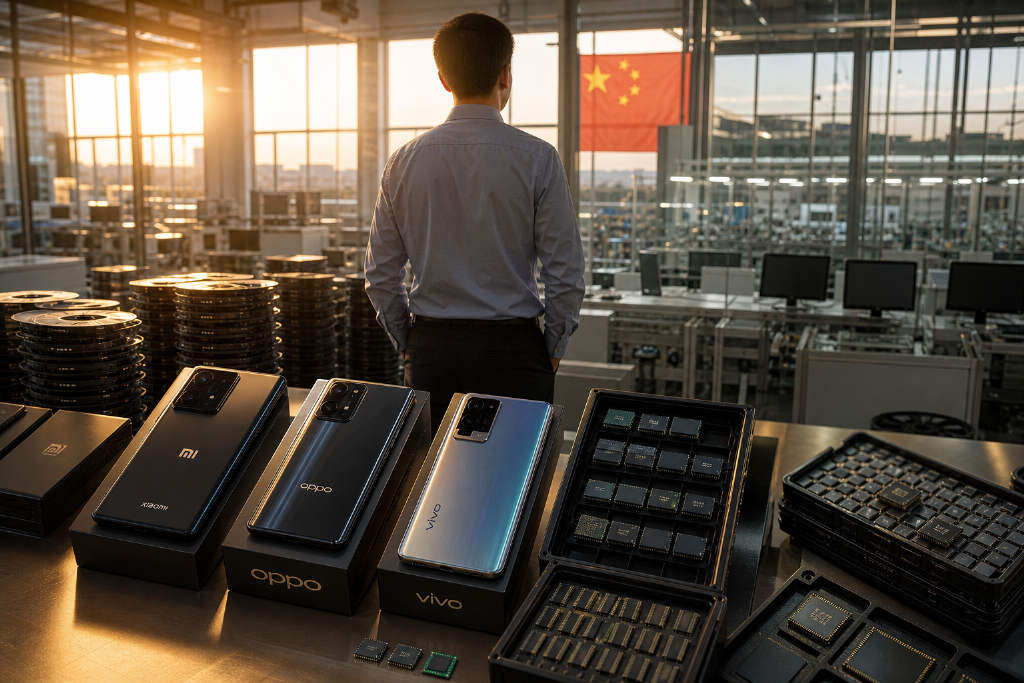
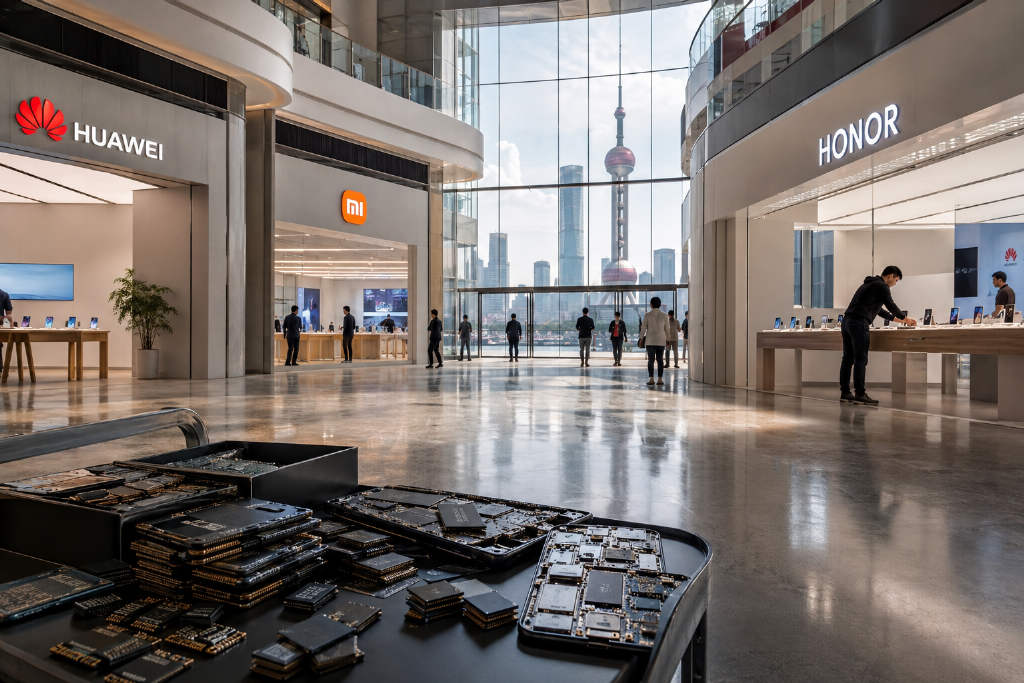
Chinese smartphone brands Huawei, Xiaomi and Honor have raised prices on multiple handset models, with some devices seeing a one-time increase of as much as 1,000 yuan, according to a report by the Star Market Daily. Store visits in Shanghai found the new prices had already taken effect, even though some retailers had not yet replaced shelf labels and were informing shoppers verbally. Online price-tracking data from official Tmall flagship stores showed several rounds of increases over the past month, including a second adjustment for some Xiaomi 17 and Honor Magic 8 variants. Despite the online attention, foot traffic at offline stores did not change much. The report said the main driver behind the latest round of price hikes is higher upstream component costs, especially memory chips. That pressure has also reached Shenzhen’s Huaqiangbei second-hand market, where rising memory prices fueled a trade in dismantling scrap phones to extract chips for resale into automotive accessories, IoT hardware and refurbished overseas devices. Analysts cited in the report said the economics of low-end smartphones have deteriorated sharply as component costs rise. IDC data showed sub-1,000-yuan phones accounted for 22% of the market in 2023, but only 2.7% in the first quarter of 2026, while the firm expects global smartphone shipments in 2026 to fall 16.7% year over year and average selling prices to rise 27.6% to $581.
940
Huawei, Xiaomi and Honor raise phone prices as memory chip costs squeeze the supply chain
Google
2026-09-04 04:49:30

Google to Mandate Developer Verification for APK Sideloading, Global Rollout by 2027

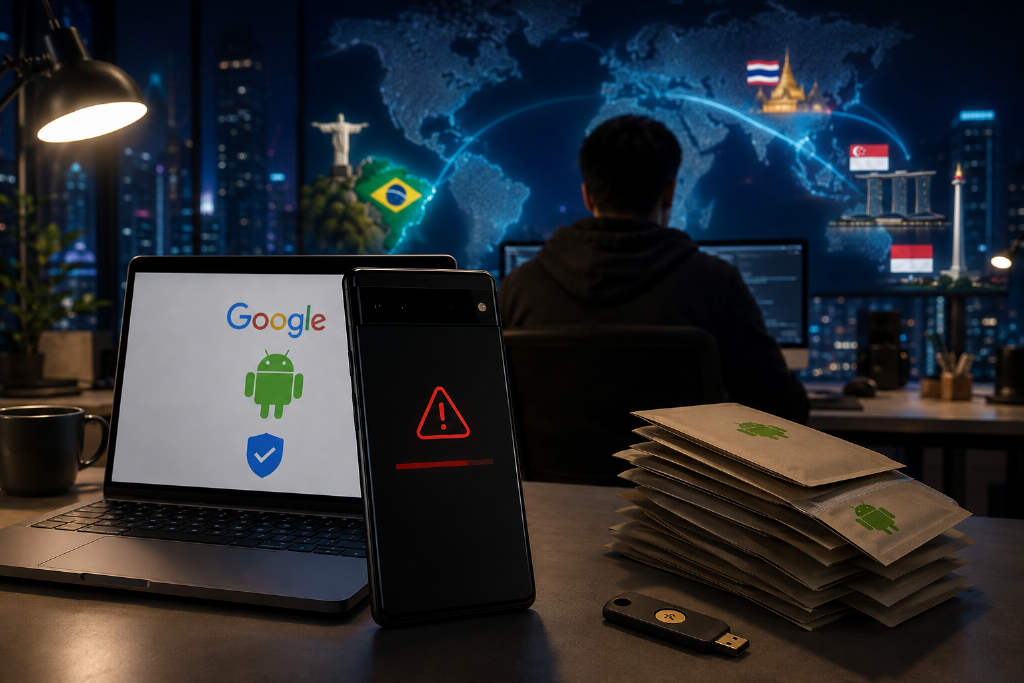
Google is set to mandate developer identity verification for APK sideloading, starting September 30, 2026 in Brazil, Indonesia, Singapore, and Thailand, with a global rollout by 2027. Critics including Tuta and EFF say the move "Apple-fies" Android, threatening the open sideloading ecosystem that crypto wallets and privacy tools rely on. Google claims sideloaded apps carry over 50 times more malware than Play Store apps, but opponents argue the real motive is control and profit. The policy also introduces limited accounts and advanced flows for users who need to install unverified apps.

850
Google to Mandate Developer Verification for APK Sideloading, Global Rollout by 2027
Weirong Techn
2026-09-03 08:09:09

Luoding-based MLCC maker Weirong Technology heads to ChiNext after rising from a county seat in western Guangdong

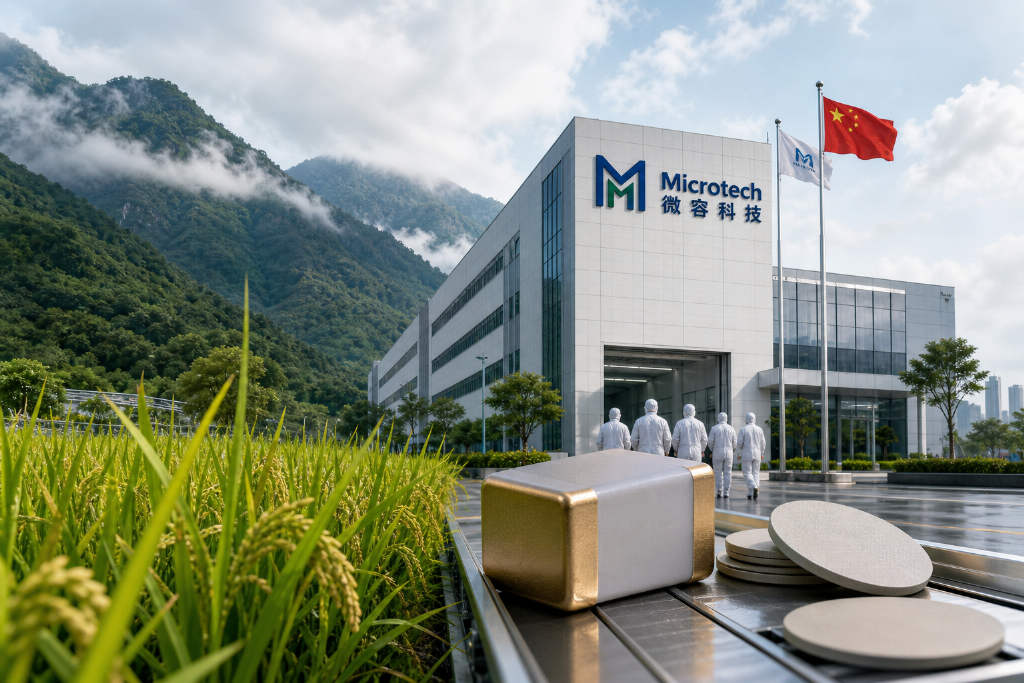
Weirong Technology, an MLCC manufacturer based in Luoding, a county-level city administered by Yunfu in Guangdong, has become an unusual high-end manufacturing story in an area better known for agriculture than electronics. Founded by former Konka president Chen Weirong after he left Yuyang Technology, the company set out to build high-end multilayer ceramic capacitors in his hometown rather than in the Pearl River Delta. According to the prospectus cited in the source article, Weirong posted revenue of RMB 1.041 billion, RMB 1.512 billion, and RMB 1.845 billion from 2023 to 2025, with net profit rising from RMB 57.41 million to RMB 269 million. Its ChiNext IPO application was accepted by the Shenzhen Stock Exchange in late April. The filing also shows a post-money valuation of about RMB 11.5 billion after a December 2025 Pre-IPO financing round, with investors including OPPO, Xiaomi Industry Fund, Lenovo Capital, SAIC Motor, Guotai Junan, and others. At the same time, the company faces pressure on several fronts: patent disputes with Yuyang Technology, a Pre-IPO shareholder agreement covering redemption and liquidation preferences, a control structure that centers on Chen and his daughter Chen Qihui, and criticism over plans to raise working capital despite holding RMB 2.264 billion in term deposits, certificates of deposit, and wealth management products.

910
Luoding-based MLCC maker Weirong Technology heads to ChiNext after rising from a county seat in western Guangdong
smartphones
2026-09-01 04:05:14

Rising memory costs push phone makers to cut flagship plans and raise prices

Chinese smartphone vendors are entering the September flagship launch season with a far weaker outlook than in prior years, according to a MarsBit report citing multiple industry bloggers. The core pressure point is memory pricing. Blogger Digital Chat Station said the procurement cost for a 12GB+256GB memory package rose from about 500 yuan a year ago to 2,200 yuan this year, a 340% jump, making storage more expensive than the SoC in some handset bill-of-materials calculations. Another blogger, RD Observation, said several vendors have cut planned flagship output by 30% to 50%. The report also said price increases are now spreading across product tiers: lower-end devices could move into the 2,500-3,500 yuan range with 6GB memory starts, midrange and upper-midrange models may reach 4,000-5,000 yuan with 8GB starts, and flagship models could open around 5,500 yuan, 7,000 yuan, and 8,000 yuan depending on trim. The pressure is already visible in shipment data. Xiaomi reported second-quarter smartphone shipments of 31.2 million units, down 26.5% year over year, while IDC estimated total shipments by Chinese phone makers at about 66.01 million units in the quarter, down 4.3%. The report said vendors are now leaning harder on higher-priced models to protect margins, even as some upcoming flagships are expected to launch with lower memory configurations than previous generations.

860
Rising memory costs push phone makers to cut flagship plans and raise prices
ChangXin
2026-08-28 10:12:02

DRAM Maker ChangXin Reports 873.64% H1 Revenue Surge, RMB 77.6B Net Profit

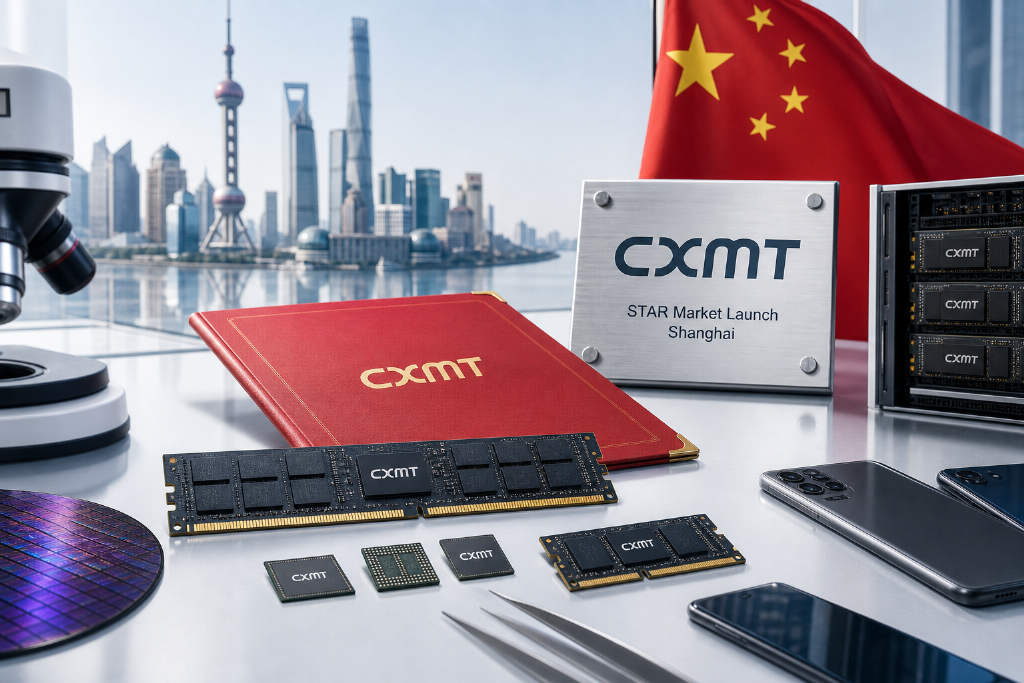
ChangXin Technology released its 2026 interim report, posting H1 revenue of RMB 150.31 billion, up 873.64% year-on-year, and net profit attributable to shareholders of RMB 77.61 billion, reversing a net loss of RMB 2.33 billion a year earlier. Operating cash flow reached RMB 131.16 billion, surging 2,985.64%. Gross margin stood at 84.84%, with R&D spending of RMB 6.86 billion, or 4.56% of revenue. Total assets reached RMB 468.08 billion, with net assets of RMB 270.75 billion. The company, the world's fourth-largest and China's largest DRAM IDM, supplies DDR5, LPDDR5/5X and LPDDR6 products to clients including Alibaba Cloud, ByteDance, Tencent, Lenovo, Xiaomi, OPPO and vivo. As of June 30, it held 4,484 domestic and 3,400 overseas patents, with 7,491 R&D staff accounting for 33.42% of headcount. ChangXin has no controlling shareholder or de facto controller; its largest shareholder, Qinghui Jidian, holds a 21.67% stake. The company listed on the STAR Market on July 27 at RMB 8.66 per share, with market cap surpassing RMB 3.5 trillion on its first trading day.

950
DRAM Maker ChangXin Reports 873.64% H1 Revenue Surge, RMB 77.6B Net Profit
Xiaomi
2026-08-25 04:17:38

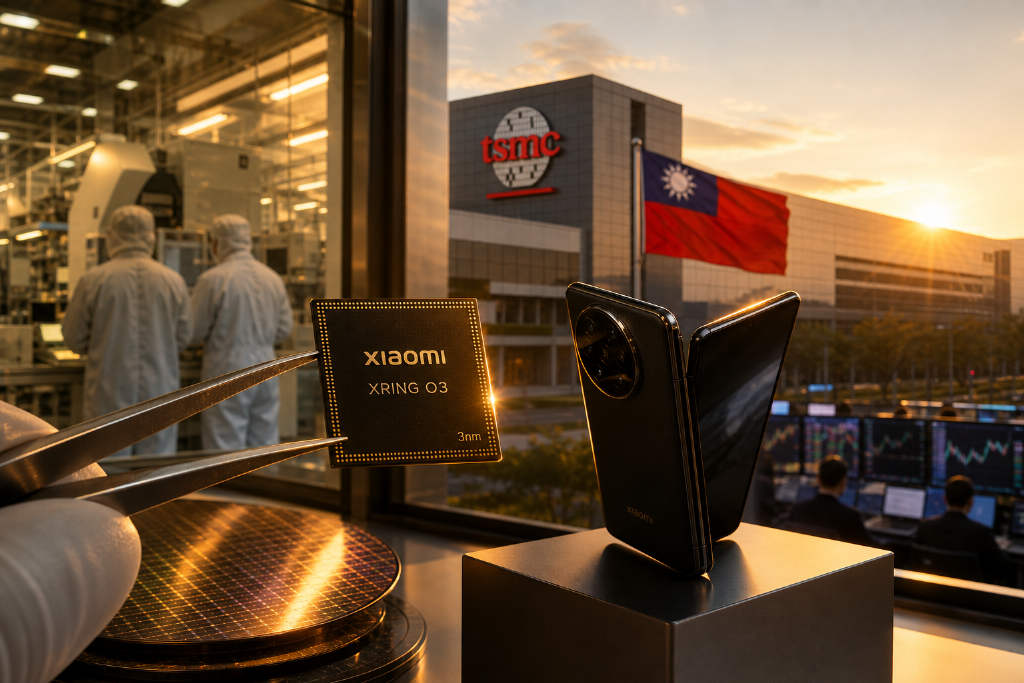
Xiaomi unveils Xuanjie O3 chip on TSMC 3nm, putting pressure on Qualcomm and MediaTek

Xiaomi introduced its new in-house mobile SoC, the Xuanjie O3, on Aug. 24, saying the chip is built on Taiwan Semiconductor Manufacturing Co.'s 3nm process and will debut in the Xiaomi 18 Fold in September. According to Xiaomi, CPU performance is up 60% from the prior generation, while GPU performance rises 85%. The company also disclosed a die size of 133 square millimeters and a transistor count of 24 billion, with overall chip scale up 26% from the Xuanjie O1. The launch carries implications for Qualcomm and MediaTek, two long-standing suppliers of mobile processors to Xiaomi. At the time of writing cited by the source, MediaTek shares had fallen 2.26% to NT$3,680, while Qualcomm stock had dropped 1.38% in the previous session to $158.53. Xiaomi Chairman Lei Jun said the company has invested more than RMB 21 billion in chip research and development since restarting large-scale semiconductor efforts five years ago. Xiaomi also presented two other in-house chips, the AI-focused Xuanjie O100 and the smart-driving-oriented Xuanjie D100, pointing to a wider in-house silicon strategy.

1410
Xiaomi unveils Xuanjie O3 chip on TSMC 3nm, putting pressure on Qualcomm and MediaTek
Duan Yongping
2026-08-13 08:53:43

Duan Yongping offers RMB 100 million 10-year bet that Kweichow Moutai can beat any Chinese fund

Duan Yongping, founder of BBK and often described in Chinese media as the “Chinese Buffett,” said on social media that he is willing to wager RMB 100 million on Kweichow Moutai against any domestic Chinese fund over a 10-year period. He explicitly said the setup is modeled on Warren Buffett’s well-known bet from 2007. Duan said the money won by the winner should be donated to a recipient accepted by both sides. He added that his preferred recipient would be the BBK Experimental School. He also said that, if both parties agree, the donation could be made upfront, with the loser settling with the other side after 10 years. The report also revisits Buffett’s original wager against hedge funds, details Moutai’s returns over the past decade, and contrasts that performance with domestic mixed equity fund benchmarks and the CSI 300. At the same time, it notes that mutual funds have been cutting exposure to Moutai and the broader baijiu sector. The piece further lists Duan’s own recent transactions, including the sale of China Shenhua H shares, the purchase of roughly 77,200 shares of Moutai through Stock Connect, and a higher stake in Pop Mart disclosed in Hong Kong.

1220
Duan Yongping offers RMB 100 million 10-year bet that Kweichow Moutai can beat any Chinese fund