PCB

Ajinomoto
2026-08-26 03:55:17

Ajinomoto confirms priority ABF film allocation for high-end AI, putting Taiwan substrate makers in focus

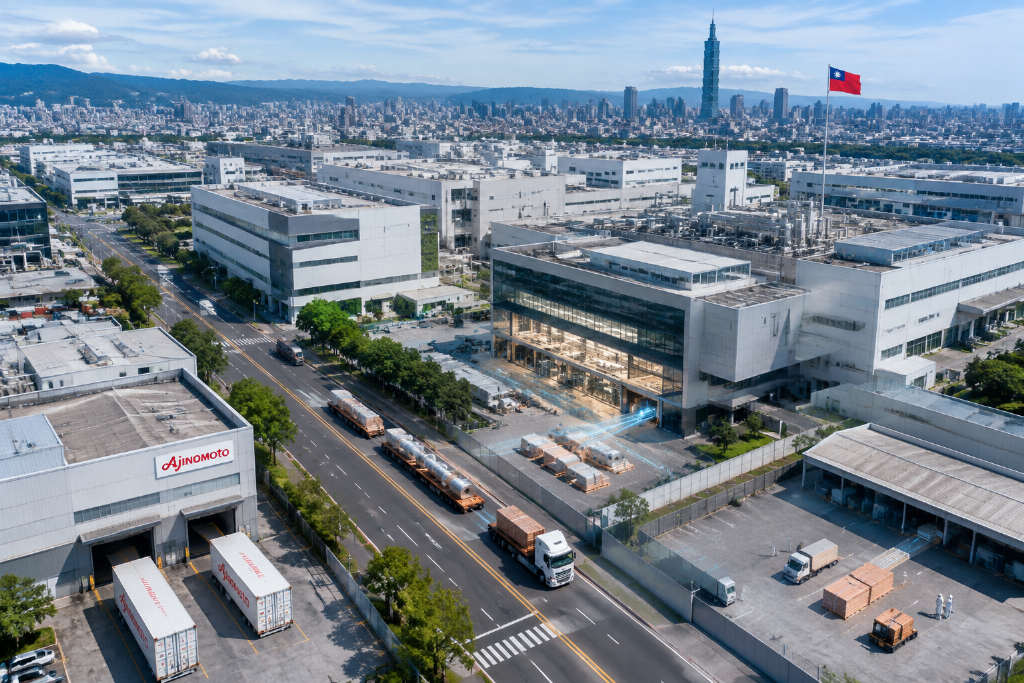
Ajinomoto, the dominant supplier of ABF film used in advanced IC substrates, has told customers it will shift to differentiated allocation because of raw material shortages, prioritizing AI and other high-end applications. A channel survey cited by Meritz Securities said the company’s ABF film lines are expected to be fully loaded through the second quarter of 2026, with little near-term relief from new capacity. The move matters because ABF film is a key insulating layer in FC-BGA packaging for CPUs, GPUs and AI accelerators. While it accounts for only a small part of substrate cost, supply disruptions can halt production lines. The report said Ajinomoto has maintained more than 95% global market share in the segment. The supply squeeze is already showing up in lead times and pricing. Lead times have stretched from three to four months at the start of the year to more than 12 months, and some customers are already discussing 2029 capacity. The article pointed to rising demand from larger AI chips, including NVIDIA’s next-generation Rubin GPU, and expanding CoWoS packaging capacity at TSMC. According to the report, Taiwan’s Unimicron, Nan Ya PCB and Kinsus could benefit first because they already have high-end production scale, yield performance and customer qualifications. At the same time, non-AI customers are likely to face reduced allocation, longer waits and higher costs, while glass substrates are not expected to become a volume replacement before 2027.
10
Ajinomoto confirms priority ABF film allocation for high-end AI, putting Taiwan substrate makers in focus
Embodied AI
2026-08-23 05:19:00

Embodied AI’s valuation surge runs ahead of proven demand, technology, and pricing logic

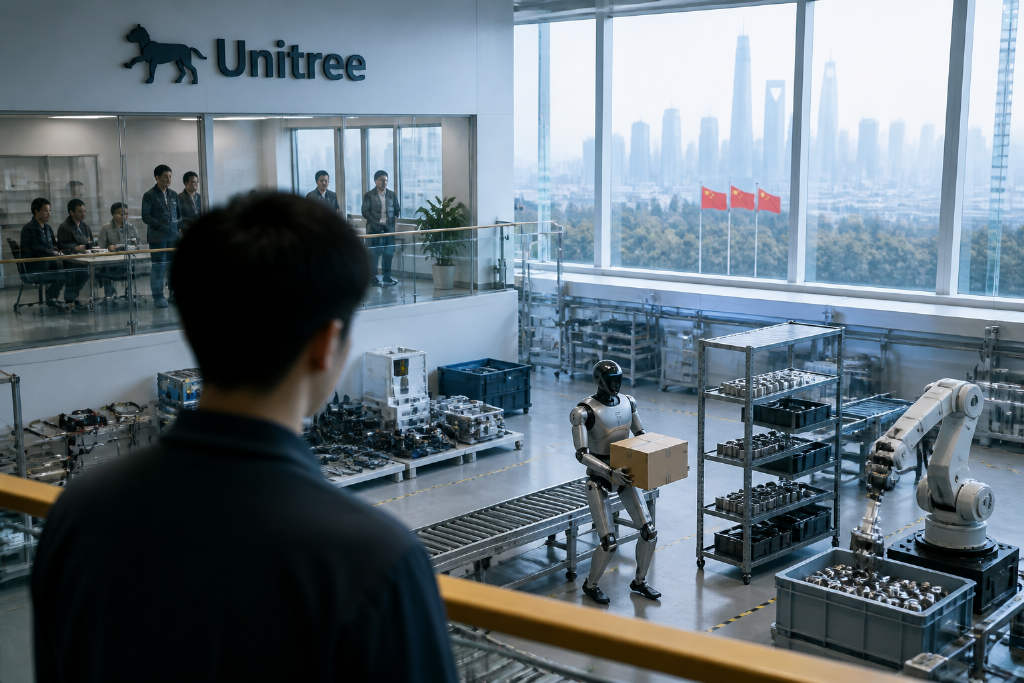
A Late Post report cited by PANews paints a crowded and overheated embodied AI market in China, where capital has rushed into humanoid robots, dexterous hands, data collection, joint modules, and tactile sensors long before the sector has established durable industrial demand or a broadly accepted valuation framework. In the first half of 2026 alone, domestic embodied AI financing exceeded RMB 90 billion, and 22 companies were valued above RMB 10 billion, according to IT Juzi. Yet field observations described in the report show many robots still move too slowly for real factory deployment, while some revenue is tied to research, education, data collection loops, channel stocking, or related-party structures rather than large-scale end-user adoption. Unitree’s listing has become the market’s closest thing to a public benchmark. Morgan Stanley said more than 10,000 embodied robots were actually shipped in China last year, with Unitree accounting for 5,215 units. Its 2025 revenue reached RMB 1.699 billion, but the report notes that more than 70% of revenue as of last September came from research and education, and less than 10% came from industry applications. The broader question now is whether public markets will price Unitree as a high-growth embodied AI platform with future "brain" capabilities, or more like a strong engineering and hardware company. That answer may shape how long today’s private-market valuations can hold.

390
Embodied AI’s valuation surge runs ahead of proven demand, technology, and pricing logic
PCB
2026-08-19 03:58:53

PCB and IC substrate prices seen rising again in the second half as CCL and glass cloth supplies stay tight

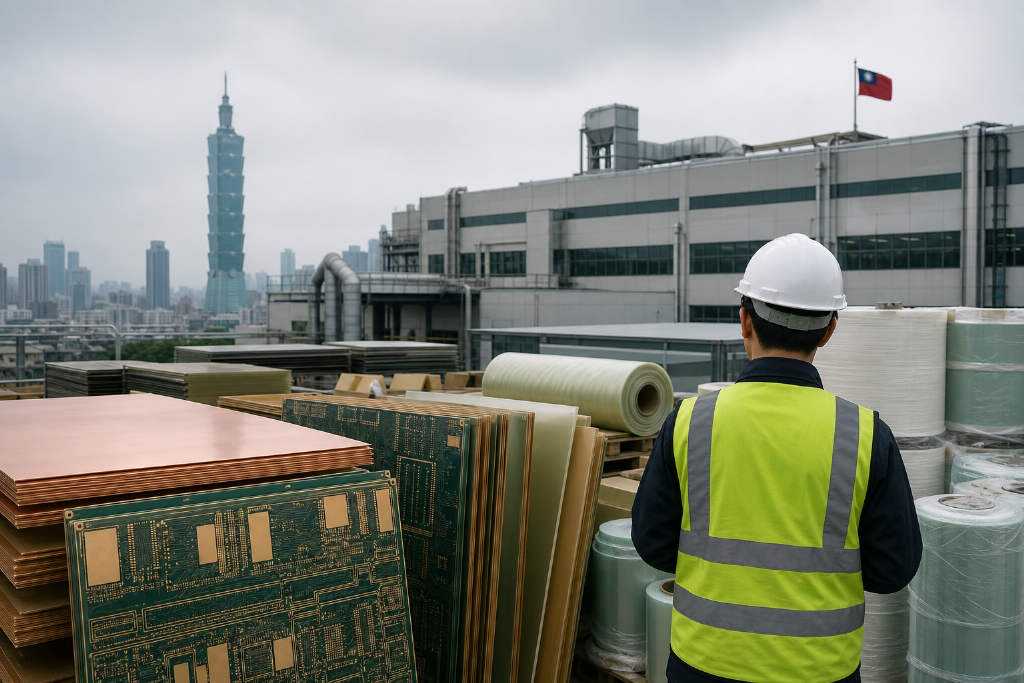
Taiwan’s PCB supply chain is facing another round of price increases in the second half of the year as demand from AI servers and high-performance computing continues to strain supplies of key upstream materials. According to the ABMedia report, shortages in copper clad laminate (CCL), prepreg, low dielectric glass fiber cloth and T-Glass remain difficult to resolve in the near term, after price hikes of 5% to 30% had already hit parts of the sector in the first half. Some of that impact has started to show up in third-quarter financial results. The report said major PCB makers including Tripod Technology, Chin-Poon Industrial, Dynamic Holding and Unitech printed earlier price adjustments, while IC substrate makers Unimicron, Kinsus and Nan Ya Printed Circuit are also expected to benefit if rolling price increases continue through the third and fourth quarters. Industry estimates cited in the report point to a supply gap of more than 60% for second-generation low-DK glass cloth, with T-Glass shortages still widening. Market expectations mentioned in the article suggest CCL supply conditions may not materially ease until new capacity starts coming online in the first quarter of 2027.

240
PCB and IC substrate prices seen rising again in the second half as CCL and glass cloth supplies stay tight
Unitree
2026-08-19 04:30:46

Unitree opens on STAR Market at 1,100 yuan, briefly pushing valuation to 445 billion yuan

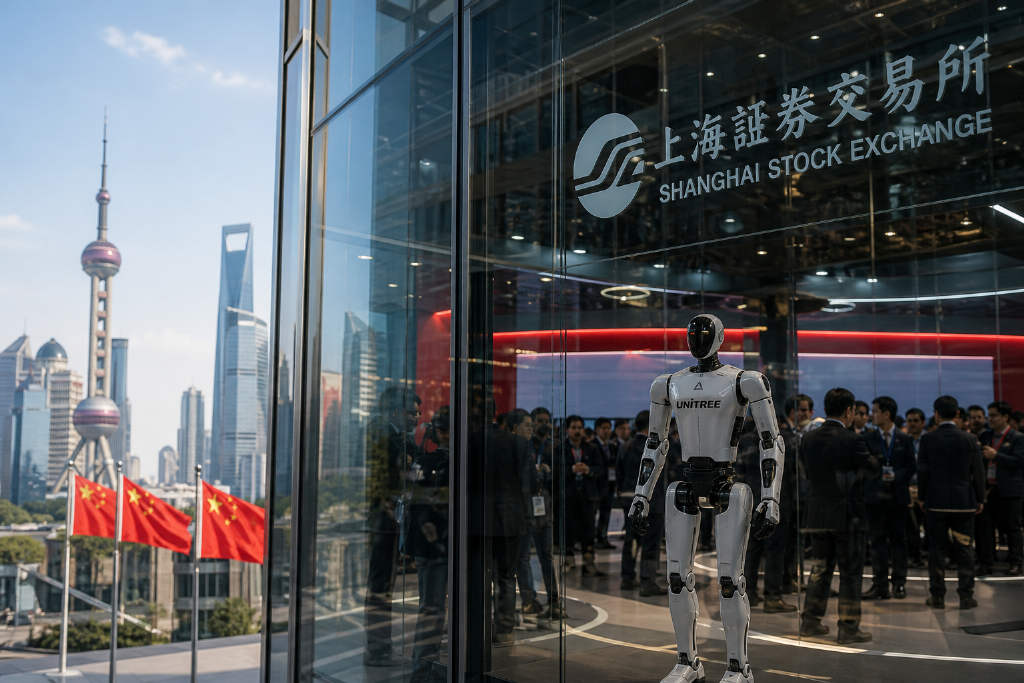
Unitree Technology made its debut on Shanghai’s STAR Market on Aug. 19, turning the long-discussed label of “A-share’s first humanoid robot stock” into a listed reality. The stock opened at 1,100 yuan, up 629.44% from its 150.80-yuan issue price, and its market capitalization briefly climbed to 445 billion yuan before pulling back. At the time of writing cited in the source article, the shares were trading around 892 yuan, valuing the company at roughly 361 billion yuan, with turnover reaching 55.25% and trading volume exceeding 15.3 billion yuan. The listing stood out not only for its first-day price action but also for its unusually tight float. Unitree’s post-listing unrestricted shares amounted to 30.0877 million, or 7.44% of total share capital. The online allotment rate was just 0.0181%, setting records on the STAR Market for both the lowest winning rate and the highest number of participating accounts. Strategic investors including the National Social Security Fund, DeepSeek, Tencent, PetroChina Kunlun Capital, China Southern Power Grid and China Telecom’s Tianyi Capital took part in the placement. The source article frames Unitree’s listing as both a wealth-creation event and a valuation test for China’s embodied AI and robotics sector. It also tracks founder Wang Xingxing’s holdings, compares Unitree with Figure AI, Boston Dynamics and Tesla’s Optimus, and lays out the company’s own responses on valuation, FCC restrictions, international competition and commercialization pace.

360
Unitree opens on STAR Market at 1,100 yuan, briefly pushing valuation to 445 billion yuan
Nan Ya Plasti
2026-08-14 06:23:23

Nan Ya Plastics to Raise CCL, Prepreg Prices by 20-25% from Sept 1

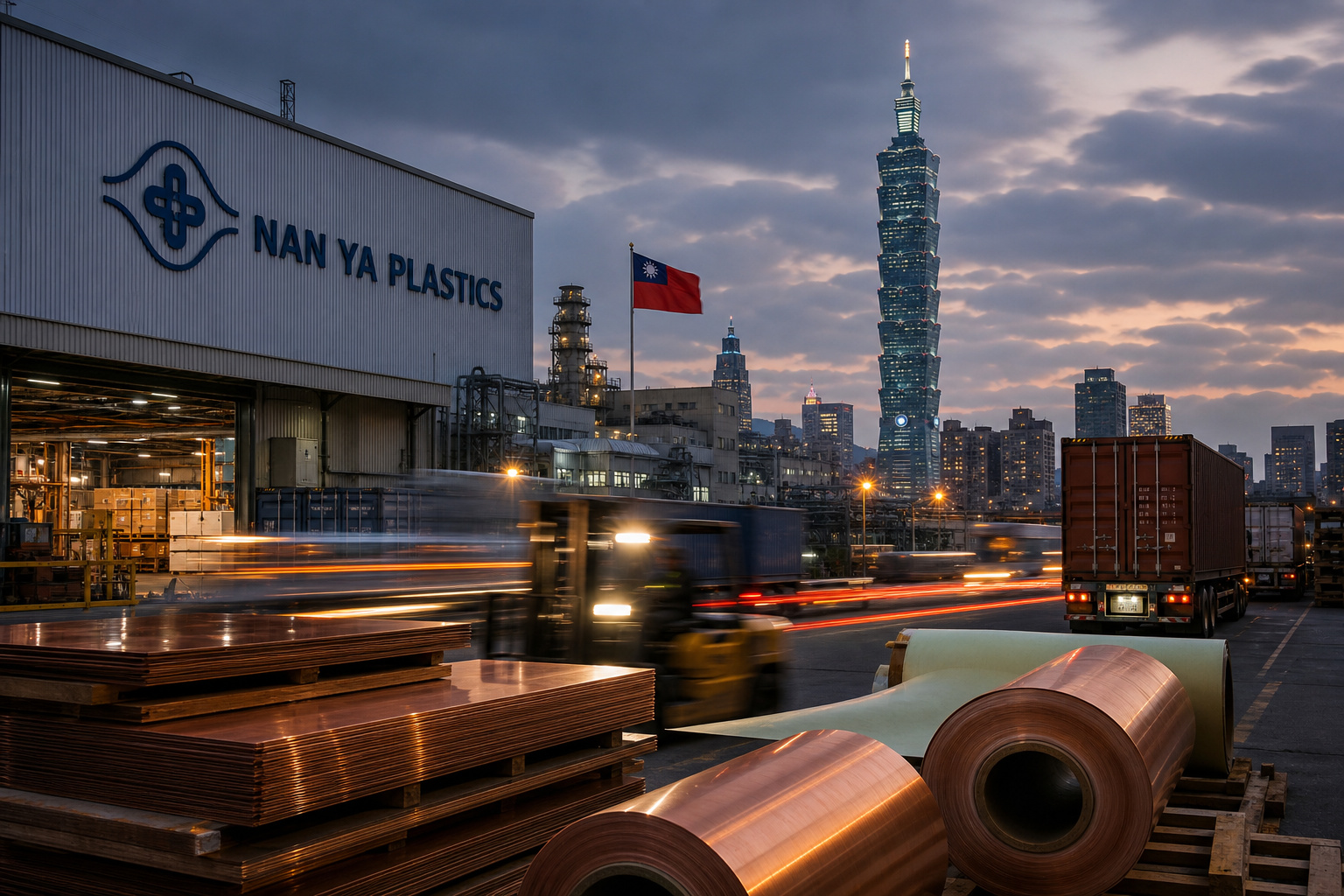
Nan Ya Plastics' Electronic Materials Division has announced a 20%-25% increase in prices for copper-clad laminate (CCL) and prepreg, effective September 1. The adjustment applies to orders based on the shipment date, the company said in a notice. The move is driven by a severe supply-demand imbalance in the global electronic materials market. Prices of core raw materials have been rising continuously, with glass fabric experiencing an especially acute shortage. As a result, procurement costs have escalated out of control. CCL is the core material used in printed circuit boards, so the price hike is expected to impact PCB manufacturers and downstream electronics terminals. Nan Ya Plastics stated that it will continue to monitor supply chain dynamics and respond to market changes. This is one of the most substantial price adjustments in the PCB upstream materials sector in recent times, reflecting the intense cost pressures across the industry.

820
Nan Ya Plastics to Raise CCL, Prepreg Prices by 20-25% from Sept 1
Norway sovere
2026-08-13 00:53:01

Norway wealth fund lifts Taiwan stock holdings to $61.9 billion as TSMC stays a top global position

Norway’s sovereign wealth fund reported total assets of $2.34 trillion for the first half of 2026, with a 9.4% investment return and profit of $184.9 billion. The fund’s Taiwan equity holdings rose 50.7% to $61.914 billion, or roughly NT$2 trillion, increasing Taiwan’s share in its global equity portfolio to 3.68%. TSMC remained the fund’s fifth-largest holding worldwide at $33.525 billion and was the only non-U.S. company among its top five positions, accounting for 1.7% of total assets. In Taiwan, the top five positions were TSMC, MediaTek, Delta Electronics, Hon Hai and Yageo. MediaTek climbed to the No. 2 Taiwan holding at $3.183 billion, while Yageo’s position value jumped 426% to $1.12 billion, moving from 18th at the end of the prior year to fifth. The fund held 333 Taiwan-listed stocks as of June 30, 2026. First-half portfolio changes included 14 additions and 20 removals. New positions were concentrated in AI server-related supply chains, including passive components, optical communications, PCB and semiconductor testing materials, memory, connectors and thermal modules. Stocks removed from the portfolio included names tied to autos, precision machinery, aerospace, green energy and energy storage, reflecting a sharper focus on AI-linked technology segments.

980
Norway wealth fund lifts Taiwan stock holdings to $61.9 billion as TSMC stays a top global position
dexterous han
2026-08-12 09:44:10

Dexterous hand startups split into two camps as 2026 funding reaches RMB 28.51 billion

A report cited by MarsBit and originally published by ITjuzi says China’s dexterous hand segment has logged 74 financing events involving 47 companies from January to Aug. 3, 2026, with disclosed funding totaling about RMB 28.51 billion. The report divides the field into two groups: 15 humanoid robot makers that develop dexterous hands in-house, and 32 third-party suppliers that sell complete hands or core components such as tactile sensors, micro motors, and precision screws. The funding gap between the two camps is wide. The 15 robot body makers accounted for 23 deals and about RMB 18 billion to RMB 20 billion in disclosed funding during the first seven months of the year, while the 32 suppliers completed 51 deals worth about RMB 8.51 billion. The report argues that in-house hand development has become a standard requirement for humanoid robot OEMs, but the deeper component stack remains largely outsourced. It also says the supplier side is fragmenting into three distinct tracks: complete dexterous hand module vendors, tactile sensing companies, and core drivetrain and transmission component makers. While complete-hand vendors are facing crowded competition, companies focused on tactile sensing and specialized parts are described as having stronger technical moats and a longer runway for commercialization.

330
Dexterous hand startups split into two camps as 2026 funding reaches RMB 28.51 billion
TSMC
2026-08-12 03:47:27

TSMC says 5.5x reticle CoWoS is in mass production, flags ABF substrates as next constraint

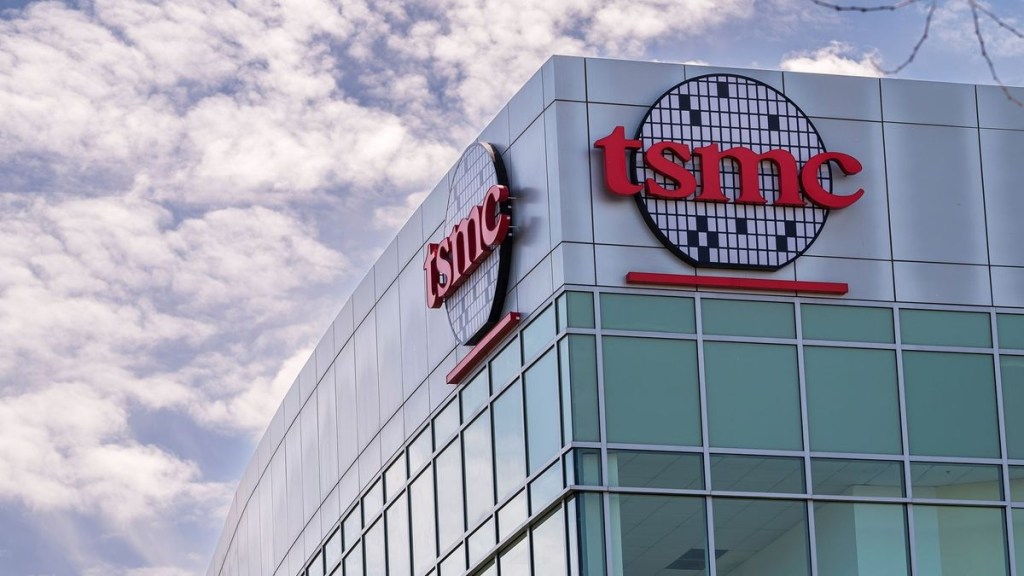
Taiwan Semiconductor Manufacturing Co. said its 5.5x reticle-size CoWoS packaging has entered mass production, with yields holding above 98% and some products topping 99%, according to comments made publicly on Aug. 11 by Vice President of Advanced Packaging Ho Chyun. He said the company aims to scale CoWoS to 14x reticle size by 2029, while also pushing SoIC hybrid bonding from a 6-micron pitch already in production to 4.5 microns by the same year. Ho said TSMC’s CoWoS capacity has nearly doubled every year over the past three years and that the company now operates 10 advanced packaging fabs globally. Supply is now much closer to customer demand, he said, though it still has not fully caught up. He also pointed to a new supply-chain strain for AI hardware. After memory, ABF substrates are likely to become the next major bottleneck, he said. In his view, multisourcing does not fully solve the problem because substrate differences across suppliers can complicate coplanarity control and hurt yields during system integration. Ho also called for broader industry coordination through the Open Compute Project to build system-level validation standards and speed AI product development and ramp-up.

900
TSMC says 5.5x reticle CoWoS is in mass production, flags ABF substrates as next constraint