Wu Jialong says AI financing demand may be pushing U.S. Treasury yields higher
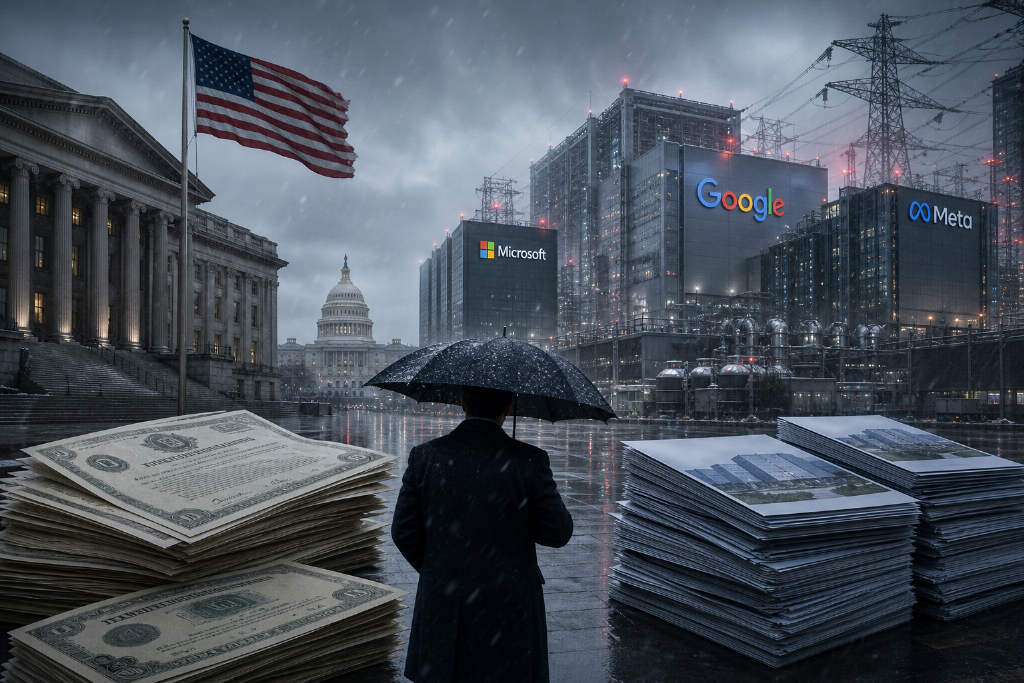
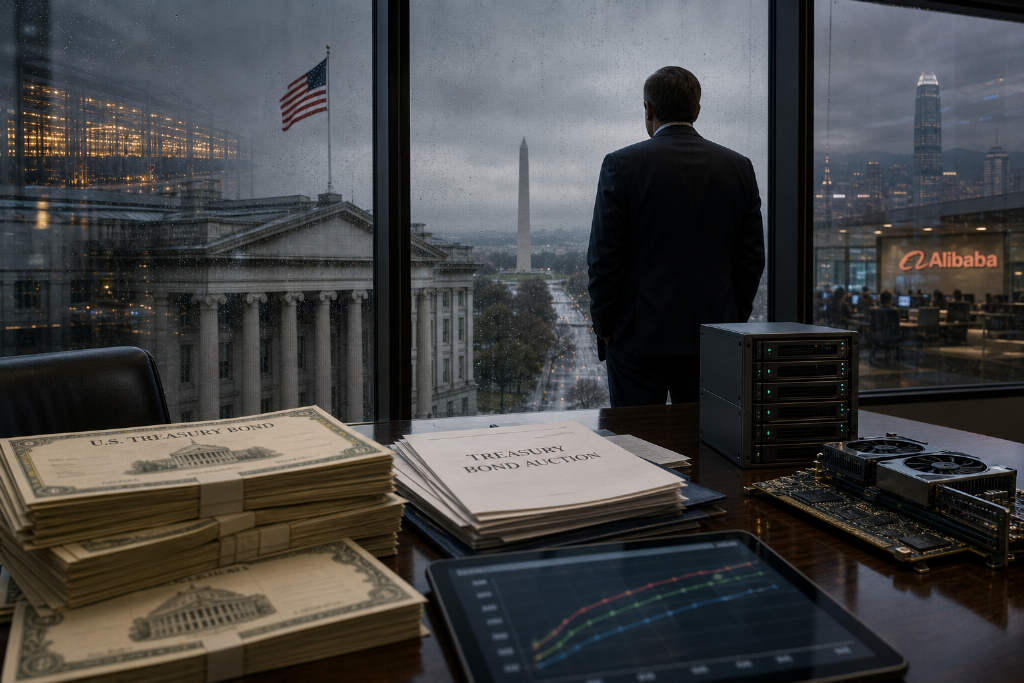
U.S. Treasury yields have continued to climb, and the usual explanations have centered on sticky inflation and Washington’s large fiscal deficit. But in a report cited by ABMedia, Taiwanese macroeconomist Wu Jialong argued for a different reading: the move may reflect a crowding-out effect tied to the AI buildout rather than a straightforward fiscal crisis. His view is that major technology companies, including Microsoft, Google and Meta, are spending aggressively on AI infrastructure such as data centers and computing equipment, and are funding those projects by issuing large amounts of corporate debt. As corporate bond yields rise to attract capital, investors also demand better returns from Treasuries, lifting government bond yields as well. Wu compared the current moment with the IT revolution of the 1990s under Bill Clinton, when strong productivity growth, high investment and expanding tax revenue helped erase fiscal deficits and even produced a budget surplus. He suggested that if AI can deliver a similar productivity boost, stronger growth and future tax receipts could ease U.S. fiscal pressure over time. The report also noted a more immediate policy response from U.S. Treasury Secretary Scott Bessent, including buybacks of long-dated Treasuries funded by shorter-dated issuance, with mention of possible use of the TGA account. ABMedia also highlighted a contrasting view from Ark Invest founder Cathie Wood, who believes AI and robotics will eventually create a powerful deflationary force and push rates lower over the long run.