SEC Opens a Temporary Path for Onchain Tokenized Stocks as CFTC Broadens Relief for Passive Software Providers
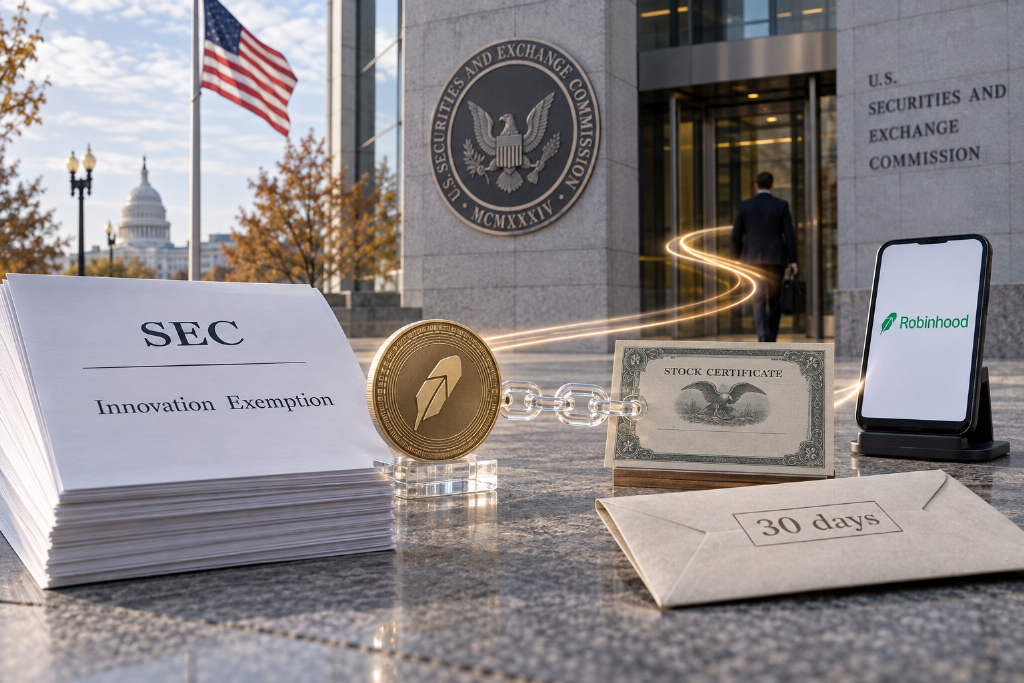
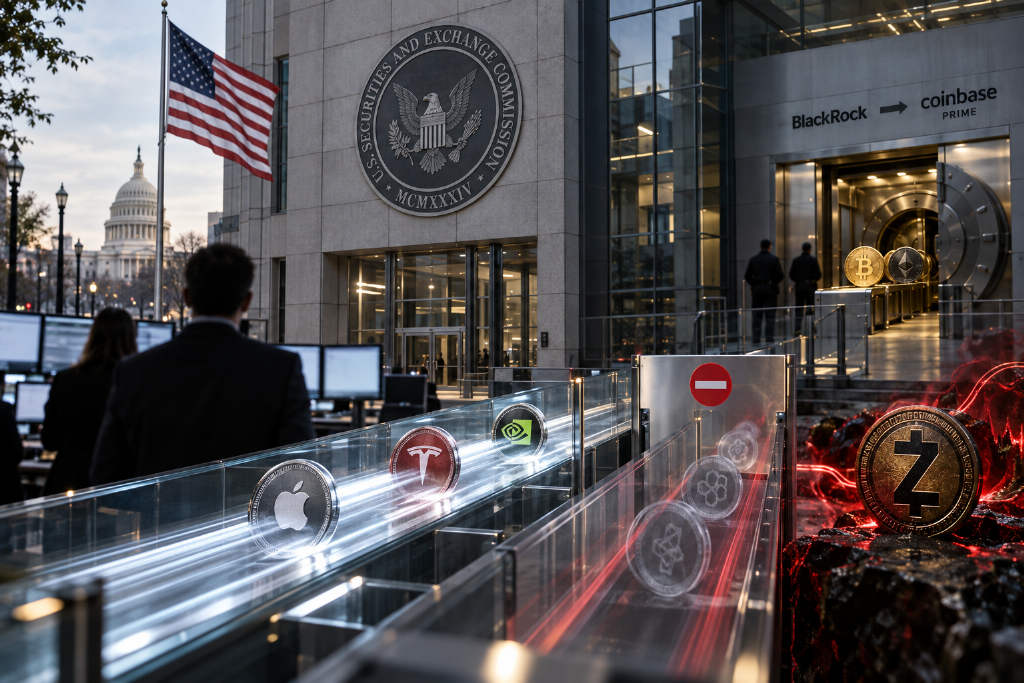
U.S. regulators moved within hours of each other on Thursday, using existing authority rather than new legislation to carve out limited crypto-related relief after the Senate failed to advance H.R. 3633. The Securities and Exchange Commission created a temporary, conditional exemption for Tokenized Securities Venues, allowing certain tokenized National Market System stocks to trade onchain through permissioned liquidity pools, while the Commodity Futures Trading Commission expanded no-action relief for passive software providers that route users to registered futures intermediaries. The SEC order is narrow and time-limited. It lasts five years unless amended or withdrawn earlier, does not permit primary issuance, and leaves antifraud rules, OFAC sanctions compliance, and Securities Act registration for primary offerings untouched. It also imposes hard caps on symbols and trading volume, requires public-ledger smart contracts that can be audited, mandates trading halts when the underlying stock is halted on its primary exchange, and gives issuers the power to block third-party tokenized listings within 30 calendar days. The CFTC’s Staff Letter 26-25 extends a path that had previously been available only to Phantom Technologies. It says staff will not recommend enforcement against qualifying passive software providers for failing to register as introducing brokers, subject to 10 conditions. Industry groups welcomed the SEC move, while SIFMA repeated concerns that broad exemptions could create parallel but unequal trading systems.